



India's wilderness is as diverse as its culture, offering far more than just tiger trails. From snow-dusted Himalayan peaks to dense mangrove swamps, the country's national parks are worlds apart, each protecting its own unique cast of creatures.
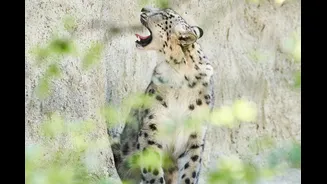
Hemis National Park, Ladakh: The High-Altitude Hunt
Forget
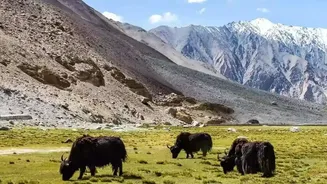
dusty plains; Hemis is a world of stark, breathtaking beauty in the high-altitude desert of the Himalayas. This is the kingdom of the elusive snow leopard. Safaris here are not by jeep but on foot, demanding patience and a spirit for adventure. The landscape is a panorama of barren mountains, deep gorges, and frozen riverbeds in winter, the best time for a sighting. Besides the 'Ghost of the Mountains', you might spot Tibetan wolves, blue sheep (bharal), and the majestic golden eagle soaring overhead. Hemis offers a raw, challenging, and deeply rewarding experience for the dedicated wildlife enthusiast seeking one of the planet's most mythical predators.
Sundarbans National Park, West Bengal: Mangrove Labyrinth
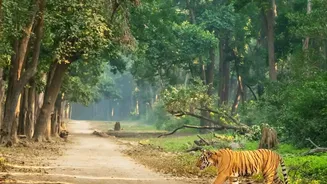
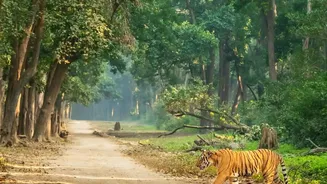
The Sundarbans is the world's largest mangrove forest, a UNESCO World Heritage site where land and water are in a constant dance. Safaris here are conducted by boat, navigating a complex network of tidal waterways, creeks, and islands in the delta of the Ganges, Brahmaputra, and Meghna rivers. This is the only mangrove habitat for the Royal Bengal Tiger, a unique population adapted to an amphibious life. These tigers are powerful swimmers, hunting prey across the muddy banks. Sightings are rare and feel almost miraculous. The eerie silence, broken by the call of a kingfisher or the splash of a crocodile, makes for a safari experience that is mysterious and unlike any other on Earth.
Gir National Park, Gujarat: The Last Lions
Gir is the last and only wild home of the majestic Asiatic lion. Once roaming across Asia, this species was saved from the brink of extinction right here in this dry, deciduous forest in Gujarat. The landscape is a mix of rugged scrubland, teak forests, and grassy plains, crisscrossed by rivers that provide a lifeline for its inhabitants. A safari in Gir offers a high chance of spotting these magnificent cats, which are slightly smaller and have a distinctive belly fold compared to their African cousins. The park is also home to a healthy population of leopards, sambar deer, and the four-horned antelope, making it a crucial conservation success story.
Kaziranga National Park, Assam: Land of Giants
Stretching across the floodplains of the Brahmaputra River, Kaziranga is a land of tall elephant grass, sprawling wetlands, and dense forests. This UNESCO World Heritage site is a conservation triumph, famously hosting two-thirds of the world's population of the Greater One-Horned Rhinoceros. A safari here, whether by jeep or on elephant back, feels like stepping into a prehistoric world. The sheer number of rhinos makes sightings almost guaranteed. Kaziranga is also a tiger reserve and home to elephants, wild water buffalo, and swamp deer, earning it the nickname 'Serengeti of the East'. Its incredible biodiversity and unique landscape make it a must-visit.
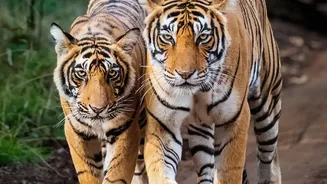
Ranthambore National Park, Rajasthan: Tigers Among Ruins
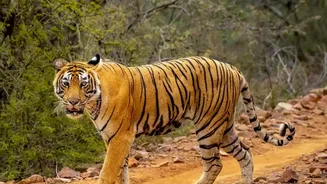
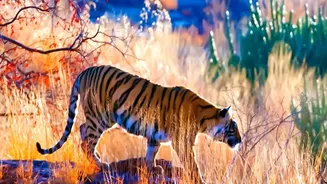
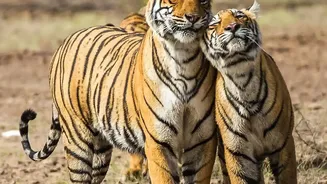
Ranthambore offers one of India's most iconic safari scenes: a Royal Bengal tiger prowling amidst ancient ruins. Once the private hunting grounds of maharajas, this park in Rajasthan is defined by the 10th-century Ranthambore Fort that looms over the forest. The landscape is a mix of dry deciduous forest, rocky outcrops of the Aravalli hills, and picturesque lakes. This unique blend of nature and history provides a stunning backdrop for wildlife photography. Tigers here are known to be relatively bold and are often seen during the day near the park's many water bodies, alongside sloth bears, leopards, and marsh crocodiles.