






The annual Diwali travel rush is a familiar sight, with railway stations transforming into a sea of humanity. This year, the Railway Protection Force (RPF) is implementing a robust, multi-layered strategy to ensure passenger safety and streamline the chaos.
A Coordinated Security Blueprint
Managing one of the world's largest annual human migrations is a monumental task. For 2026, the RPF is not just increasing its presence but is executing a coordinated blueprint involving multiple agencies. High-level conferences have been held to synchronise efforts between the RPF, the Government Railway Police (GRP), and state police forces to ensure seamless communication and rapid response. The core of the strategy is to move from reactive crowd control to proactive passenger flow management, anticipating bottlenecks before they become critical. This involves advance planning and the strategic deployment of personnel to ensure that platforms and foot overbridges do not become dangerously congested.
Creating Space with Holding Areas
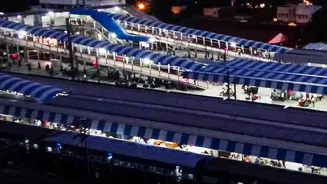
A key innovation being deployed at major stations like those in Ahmedabad and Delhi is the creation of special 'holding areas' or 'Yatri Suvidha Kendras'. These are large, weather-proof enclosures set up outside the main station building. The idea is to guide passengers, especially those with unreserved tickets or long waits, into these zones instead of allowing them to crowd the platforms. These areas are equipped with basic amenities such as seating, drinking water, fans, mobile toilets, and even Wi-Fi connectivity in some locations. Passengers are then called to the platforms in organised queues as their train's arrival time nears, preventing the frantic, last-minute rush that often leads to chaos.
Boots on the Ground and Eyes in the Sky
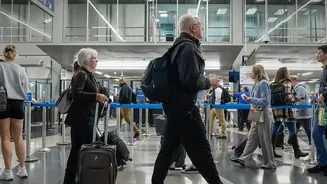
Physical presence remains the backbone of the RPF's strategy. Additional personnel have been deployed at critical touchpoints, including station entrances, foot overbridges, and near general class coaches, which see the highest density of passengers. These teams use walkie-talkies and megaphones for on-the-spot coordination and to guide passengers along designated routes. This manpower is augmented by a vast network of technology. CCTV cameras in control rooms are monitored around the clock to track crowd density in real-time. If a particular area starts getting too crowded, alerts are sent to ground staff to intervene immediately. At some key locations, drone-assisted surveillance is also being used to get a bird's eye view of station premises, adding another layer to the security apparatus.
Cracking Down on Touting and Crime
The festive rush is a prime time for criminal elements, particularly ticket touts who exploit the desperation of waitlisted passengers. The RPF has intensified its nationwide campaign, 'Operation Yatri Suraksha', to counter these threats. This involves dedicated squads, often working based on data from cyber cells, conducting raids on travel agencies and individuals involved in the illegal sale of railway tickets. Beyond touting, the RPF is also focused on preventing other crimes like theft and chainstretching. There is an enhanced focus on women's safety, with initiatives like 'Pink Patrols' in some zones, which combine womenled response teams with drone surveillance to assist female passengers.
More Trains, More Convenience
Beyond security, Indian Railways is also tackling the crowd issue from a capacity standpoint. Thousands of special train services have been announced for the Diwali and Chhath Puja period to cater to high demand routes, particularly those connecting Delhi, Mumbai, and other major cities to Uttar Pradesh and Bihar. To further ease congestion within stations, authorities have set up additional ticket counters and are promoting the use of Automatic Ticket Vending Machines (ATVMs) and mobile ticketing apps. At several major Delhi stations, the sale of platform tickets has been temporarily suspended to limit the number of nonpassengers on the platforms. These measures, combined with the RPF's security grid, aim to make the festive journey smoother and safer for millions.