







A Month of Reflection and Rain
The holy month of Shravan, which in 2026 begins on July 30th, is a period of immense spiritual significance for Hindus, dedicated to the worship of Lord Shiva. It's a time marked by fasting, prayer, and pilgrimages like the famous Kanwar Yatra, where
millions of devotees travel, often on foot, to offer holy water at Shiva temples. This atmosphere of devotion creates a collective mood of introspection and mindfulness. Even for those not undertaking a pilgrimage, the spiritual energy of the month encourages a slower, more deliberate pace of life. This mindset is increasingly translating to travel choices, favouring journeys that are as meaningful as the destination.
Monsoon's Majestic Makeover
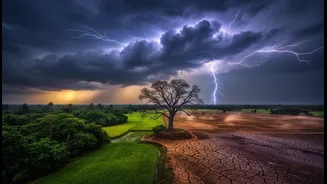
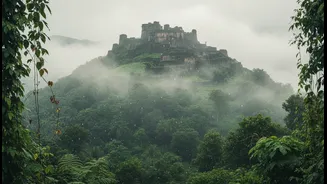
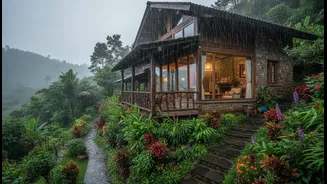
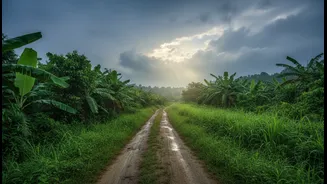
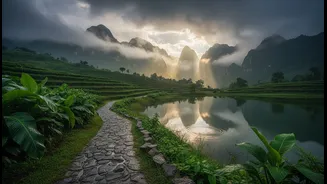
Coinciding with the peak of the monsoon, Shravan is when India's landscapes undergo a dramatic and breathtaking transformation. The rain washes away the dust of summer, cloaking hills in vibrant shades of green and bringing dormant waterfalls back to roaring life. The scent of wet earth, or petrichor, fills the air, and the grey skies lend a cinematic quality to the scenery. Regions like the Western Ghats, the Aravallis, and the Himalayan foothills become almost otherworldly in their beauty. For drivers, this provides a powerful incentive to get off the monotonous grey tarmac of the expressway and onto state highways and rural roads where this natural splendour is on full display.
The Joy of the Journey
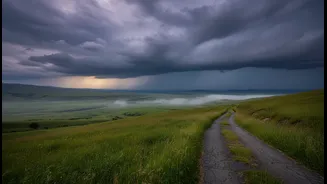
Choosing a scenic route is a conscious rejection of the 'point A to point B' efficiency of an expressway. It’s about embracing the drive itself. Instead of high speeds and homogenous food courts, the scenic route offers winding roads, charming villages, and the chance to stop for a steaming cup of chai at a roadside stall while watching the mist roll in. It’s a multi-sensory experience that a six-lane highway cannot replicate. This shift reflects a larger trend in travel, where the journey is valued as an integral part of the experience, not just a means to an end. It is about discovery, spontaneity, and connecting with the landscape in a more intimate way.
Beating the Pilgrimage Rush
There’s also a practical reason for leisure drivers to avoid major arteries. The Kanwar Yatra sees significant traffic diversions and restrictions on major national highways, particularly in North India on routes like the Delhi-Haridwar corridor. Expressways can become congested or partially closed to manage the flow of pilgrims. For a leisure traveller, getting stuck in these jams is the opposite of a relaxing getaway. By opting for lesser-known local roads, drivers can often bypass the main pilgrimage traffic, ensuring a smoother and more peaceful journey while still respecting the space needed for the devotees' spiritual walk.
Popular Corridors for Slow Travel
Across the country, drivers are rediscovering old favourites and finding new gems. Near Mumbai and Pune, the old highway to Lonavala and the winding roads through Malshej Ghat or Tamhini Ghat become lush paradises. In the south, the drive from Bengaluru to the misty coffee estates of Coorg is iconic during the rains. Down the east coast, the route from Chennai to Puducherry offers dramatic sea views against overcast skies. Near Delhi, while the main routes to Uttarakhand are busy with pilgrims, smaller roads leading to offbeat destinations like Lansdowne offer a serene mountain escape. Even in Rajasthan, the drive from Jaipur to Udaipur takes on a unique charm as the Aravalli hills turn surprisingly green.