







A Sigh of Relief for Kitchens
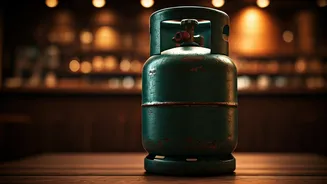
On July 1, 2026, oil marketing companies (OMCs) delivered a piece of welcome news to thousands of eateries across the country. The price of the 19-kg commercial LPG cylinder, the lifeblood of many restaurant kitchens, was reduced. The cut varied by city
but was significant, with a reduction of around ₹183 in Delhi, bringing the new price to ₹2,930. Similar cuts were seen in other major cities like Mumbai, Kolkata, and Chennai. This is the first time in 2026 that prices for commercial cylinders have been lowered, providing some much-needed financial breathing room for an industry under immense pressure.
Putting the Cut into Context
While any reduction is welcome, it's crucial to see this against the backdrop of the preceding months. The first half of 2026 saw a series of brutal price hikes. Stemming from global supply chain disruptions and geopolitical tensions, the cost of a commercial cylinder had skyrocketed by more than ₹1,300 in just a few tranches. This steep increase forced many smaller restaurants to the brink, with some resorting to reducing their menus, shortening operating hours, or even exploring costly shifts to alternatives like induction cooktops. The recent ₹183 reduction, therefore, is more of a partial rollback than a full-scale reversal, easing the pain but not erasing it.
Will Your Next Meal Be Cheaper?
This is the question on every diner's mind. The short answer is: probably not. Restaurant owners and industry associations have been quick to manage expectations. While the gas price cut is a positive development, it addresses only one component of a restaurant's operational costs. Fuel typically accounts for a fraction of a restaurant's total expenditure, which is dominated by rent, raw material costs (which remain volatile), and staff salaries. According to industry insiders, restaurants are more likely to use this saving to absorb increases in other areas and stabilize their fragile margins rather than pass the benefit on to customers through lower menu prices. The primary effect will be to help keep current prices stable for a little longer.
Who Benefits the Most?
The impact of this price cut will not be felt uniformly across the industry. The biggest beneficiaries are likely to be the small, independent eateries, local dhabas, and street food vendors. These businesses operate on wafer-thin margins and are highly sensitive to daily cash flow. For them, a saving of a few hundred rupees per cylinder is a tangible relief that can make the difference between a profitable month and a loss. Larger, organised chains often have more diversified supply chains, long-term contracts, or access to piped natural gas (PNG), making them less susceptible to the monthly fluctuations of cylinder prices, although they too welcome the cost reduction.
A Cushion, Not a Cure
This price cut provides a 'small cushion,' as the headline suggests, but it is not a long-term cure for the challenges facing the food service industry. Beyond fuel, the sector grapples with structural issues like high GST on rent without the ability to claim input tax credit (ITC), a long-standing demand from bodies like the National Restaurant Association of India (NRAI). The industry's health is also intrinsically linked to the broader economy, including the prices of vegetables, dairy, and poultry, and the discretionary spending power of consumers. While the gas price relief is a step in the right direction, it highlights the need for more comprehensive support and cost stability.