





The Myth of More is More
We’ve all done it: poured a little extra cleaning liquid into the bucket, believing a stronger solution will deliver a deeper clean. The logic seems sound—more soap should mean more power to fight dirt and germs. This belief is often driven by the satisfying
foam and strong fragrance that we associate with cleanliness. However, when it comes to modern cleaning formulations, this approach is fundamentally flawed. Most floor cleaners are concentrated and chemically engineered to work best at a specific dilution. Adding more than the recommended amount doesn't boost its cleaning power; instead, it begins a cycle of problems that leaves your floors in a worse state than when you started.
The Science of a Sticky, Dull Floor
The most immediate and frustrating consequence of using too much cleaner is a perpetually sticky or tacky floor. Here's what happens: floor cleaners contain ingredients called surfactants, which are designed to break down dirt and grease. When you use the correct amount of cleaner diluted in water, these surfactants lift the grime, which is then wiped away with your mop. But when the solution is too concentrated, the water evaporates and leaves behind a thin, invisible film of soap residue. This sticky layer acts like a magnet for dust, footprints, and pet hair, causing your floor to get dirty again almost immediately. Over time, this residue builds up, creating a dull, hazy appearance that no amount of mopping seems to fix.
Hidden Dangers for Your Family and Pets
A sticky floor isn't just an aesthetic problem; it can also pose health concerns. The chemical residue left behind doesn't just stay on the floor. It can get onto the feet and hands of family members, especially crawling babies and young children who spend a lot of time on the ground. This can lead to skin irritation or other reactions from prolonged contact. Pets are also at risk, as they can ingest these chemicals when they groom their paws. Furthermore, overly concentrated cleaning solutions can release more volatile organic compounds (VOCs) into your home's air, which can cause or aggravate respiratory issues, eye irritation, and headaches. Some harsh cleaning agents can even cause long-term damage to certain floor surfaces, like stripping the finish from wood or corroding tile grout.
The Right Way to a Truly Clean Floor
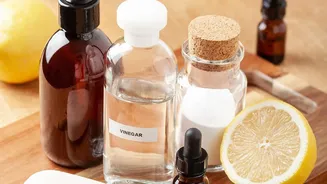
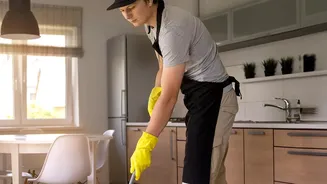
Achieving a genuinely clean and safe floor is about technique, not quantity. The first and most important step is to read the product label. Manufacturers provide specific dilution ratios—such as one capful per bucket of water—for a reason. These ratios are tested to ensure maximum effectiveness without leaving residue. Use a measuring cup or the bottle’s cap to get the amount just right. Always add the cleaner to the water, not the other way around, to ensure it mixes evenly and doesn't create excessive foam. For a truly deep clean, consider the two-bucket method: one bucket with the diluted cleaning solution and a second with clean rinse water. After mopping a section with the cleaning solution, rinse the mop in the clean water before putting it back in the solution bucket. This prevents you from spreading dirty water around your home. On surfaces where residue has already built up, mopping with just plain warm water or a solution of water and a small amount of white vinegar (on appropriate surfaces like vinyl or tile) can help dissolve and lift the old soap film.