



The Forest Without Its Predator
What happens when a forest loses its top predator? The balance tips. Without tigers, populations of herbivores like deer and wild boar can explode. This leads to overgrazing, where saplings are eaten before they can grow and the forest undergrowth is stripped
bare. This doesn't just affect plants; it creates a domino effect. Fewer plants mean less food and shelter for smaller animals, birds, and insects. The health of the soil degrades, and the forest's ability to retain water diminishes. In essence, a forest without its apex predator is an ecosystem in a state of slow collapse, becoming less diverse and less resilient.
A Blueprint for Revival: The Panna Story
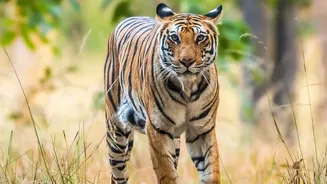
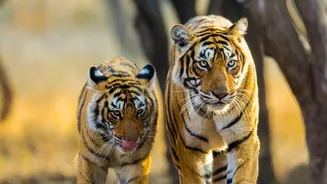
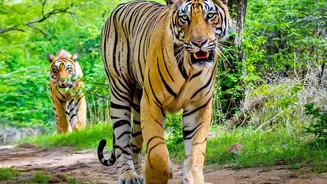
Panna Tiger Reserve in Madhya Pradesh offers one of the world's most dramatic conservation success stories. By 2009, poaching had wiped out its entire tiger population. The forest was silent. In a bold move, authorities launched a reintroduction program. A male and two female tigers were translocated from other reserves. The goal was not just to have tigers in Panna, but to see if they could establish territories, breed, and create a self-sustaining population. After initial challenges, including a male tiger that tried to walk back to its original home, the project saw its first breakthrough in 2010 when a translocated tigress gave birth to a litter of cubs. From zero, Panna's tiger population has now grown to over 80, becoming a model for carnivore reintroduction.
The Cascade Effect in Action
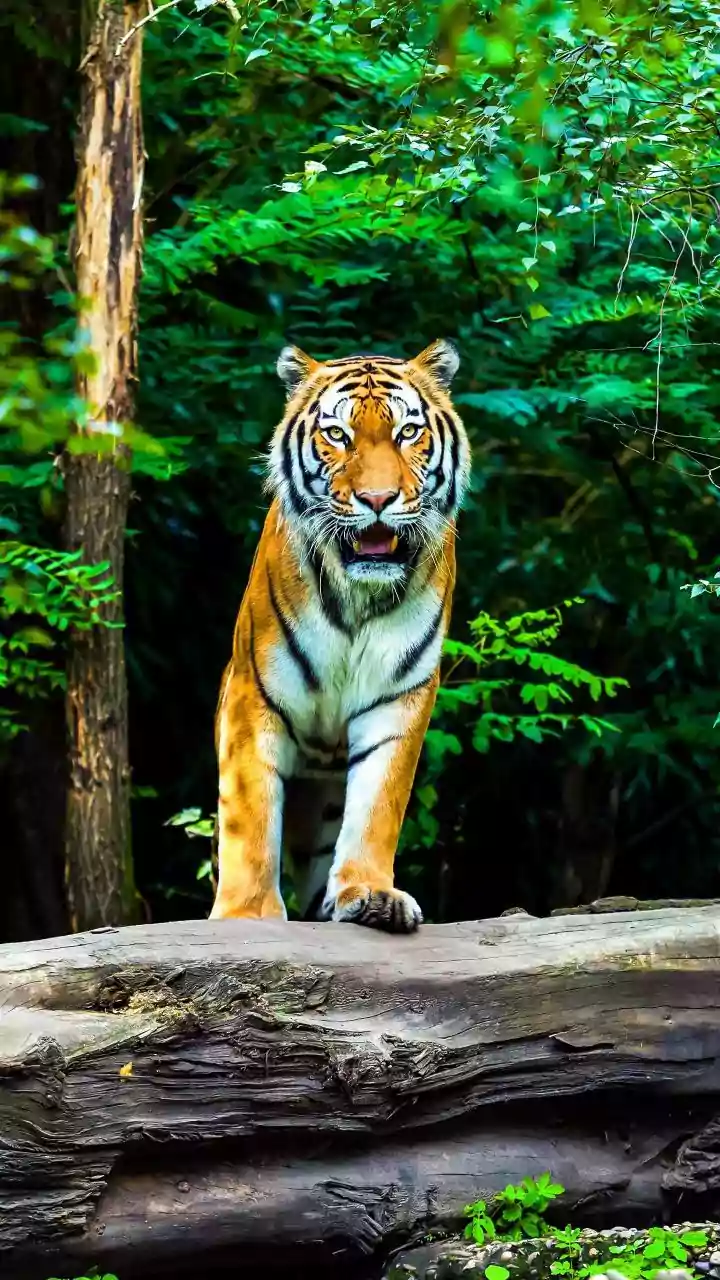
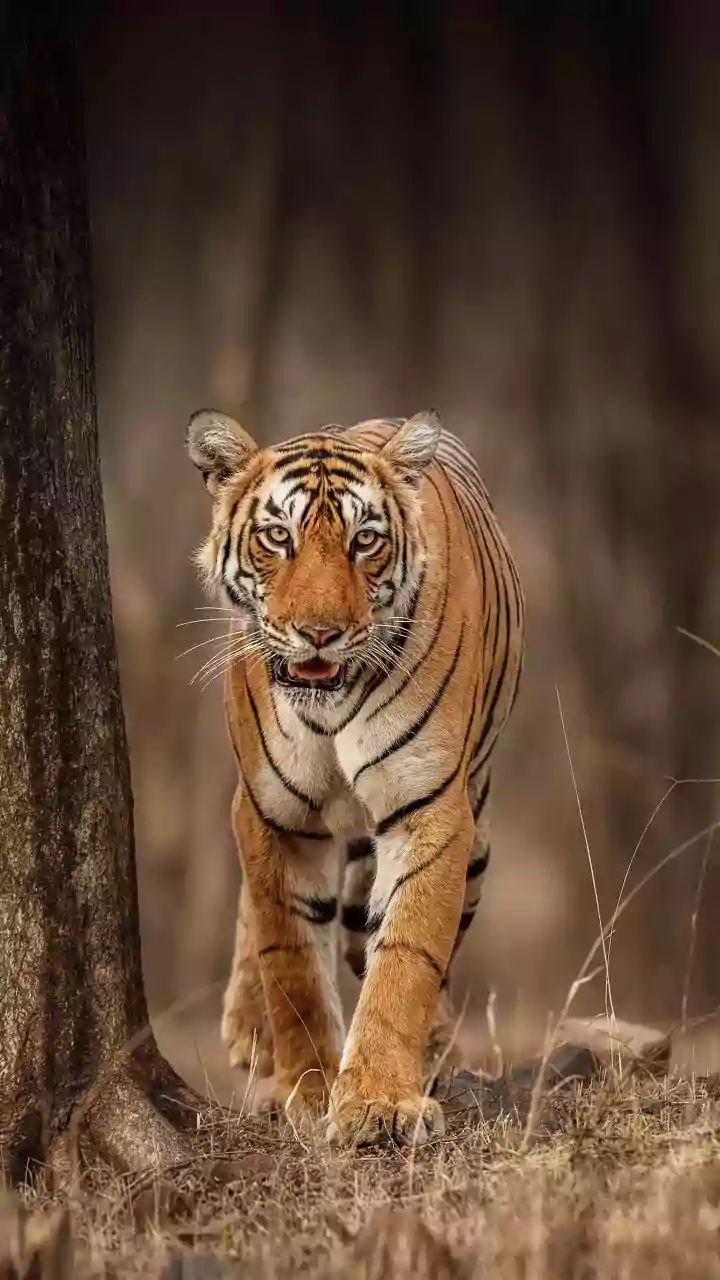
The return of tigers initiates a powerful ecological process known as a trophic cascade. As apex predators, tigers regulate the population and behaviour of herbivores. Their very presence instills a 'fear factor' that keeps prey animals on the move, preventing them from overgrazing any single area. This allows vegetation to recover. Grasslands become healthier, and young trees can grow, strengthening the forest canopy. This revived plant life supports a wider array of species. The healthier forest floor improves water retention, which in turn replenishes streams and rivers that flow through the reserves, benefiting countless communities downstream. Protecting tigers, it turns out, is a powerful strategy for protecting water security and overall biodiversity.
From Sariska to the Nation
The success in Panna was not a one-off. Sariska Tiger Reserve in Rajasthan, which also lost all its tigers by 2005, underwent a similar revival. Beginning in 2008 with tigers translocated from Ranthambore, the project was the first of its kind in the world. Today, Sariska's population has climbed to over 50. These projects, part of the wider 'Project Tiger' initiative launched in 1973, have been instrumental in India becoming home to nearly 75% of the world's wild tigers. The model involves strict anti-poaching measures, scientific monitoring using tools like camera traps, and habitat restoration. More than just saving an animal, it's about restoring entire landscapes.
The Road Ahead is Not Without Challenges
Despite these incredible successes, the work is far from over. Tiger reintroduction is complex and requires sustained effort. Ensuring a healthy prey base is critical; in some areas, this requires habitat restoration before tigers can even be brought back. Human-wildlife conflict remains a significant challenge as tiger populations grow and disperse into new territories. Maintaining genetic diversity within isolated reserve populations requires careful management and the protection of wildlife corridors that allow animals to move between forests. The success of these programs hinges not just on science, but on the continued support and participation of local communities who live alongside these magnificent predators.