






The 7kg Challenge: A Familiar Travel Dilemma
For passengers flying within India or on many international budget carriers, the 7kg cabin baggage allowance is a firm rule. Airlines like IndiGo, Air India, and SpiceJet generally enforce this limit for economy class, forcing travellers to be strategic.
This becomes a significant challenge when your destination requires bulky clothing. A single heavy jacket or a few chunky sweaters can easily consume your entire volume allowance, even if they don't exceed the weight limit. This often leads to frustrating choices: wear your heaviest items to the airport, leave essential layers behind, or pay extra for a checked bag you don't otherwise need.
What Are Compression Packing Cubes?
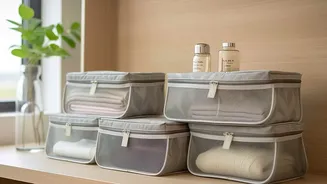
At first glance, compression packing cubes look like regular packing cubes: small, zippered fabric bags used to organise items in your suitcase. The key difference is an additional, external zipper. After you fill the cube, this second zipper runs around the outside, cinching the cube down and squeezing out excess air. This system compresses the contents, significantly reducing their volume. Unlike vacuum bags that require a pump, these cubes use a simple, durable two-zipper mechanism, making them ideal for repacking on the go.
The Golden Rule: They Reduce Volume, Not Weight
It's the most crucial point to understand: compression cubes are masters of saving space, not reducing weight. Your 2kg puffer jacket will still weigh 2kg after being compressed. The magic lies in their ability to shrink down soft, airy items. A bulky fleece or down jacket that once took up half your carry-on can be flattened into a dense, manageable brick that occupies far less room. This frees up valuable space for other necessities, allowing you to use your 7kg allowance for items that are dense but small, rather than items that are light but large.
How to Pack a Jacket: A Step-by-Step Guide
Using a compression cube for a jacket is straightforward. First, fold the jacket neatly. For puffer or down jackets, fold the arms in and then fold or roll the jacket tightly into a rectangular or square shape that roughly matches the dimensions of your cube. Place the folded jacket inside the cube. Don't overfill it; a snug fit is better. Zip the main compartment shut. Now, press down gently on the cube with your hands to push out any initial trapped air. Finally, slowly and firmly pull the second compression zipper all the way around the cube. You'll see the cube shrink in height, creating a compact package that slides easily into your suitcase.
Are They Always the Best Choice?
Compression cubes are game-changers for bulky, soft items like sweaters, fleeces, and jackets. However, they are less effective for items that don't have much air to begin with, such as jeans, formal shirts, or structured blazers. In fact, compressing these items can lead to significant wrinkling. The best strategy is often a hybrid one: use one or two large compression cubes for your bulkiest layers and regular packing cubes for everything else. This approach gives you the perfect balance of space-saving for your jacket and organisation for the rest of your wardrobe, all while staying within that critical 7kg limit.