

The Moon’s Frozen Treasure
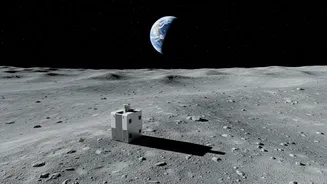
For decades, the Moon was thought to be bone dry. The Apollo missions returned with samples of regolith—the layer of dust and broken rock covering the lunar surface—that contained no water. But recent discoveries have completely changed our perspective.
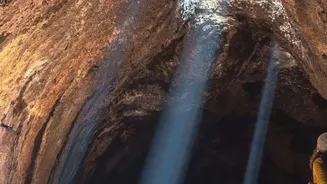
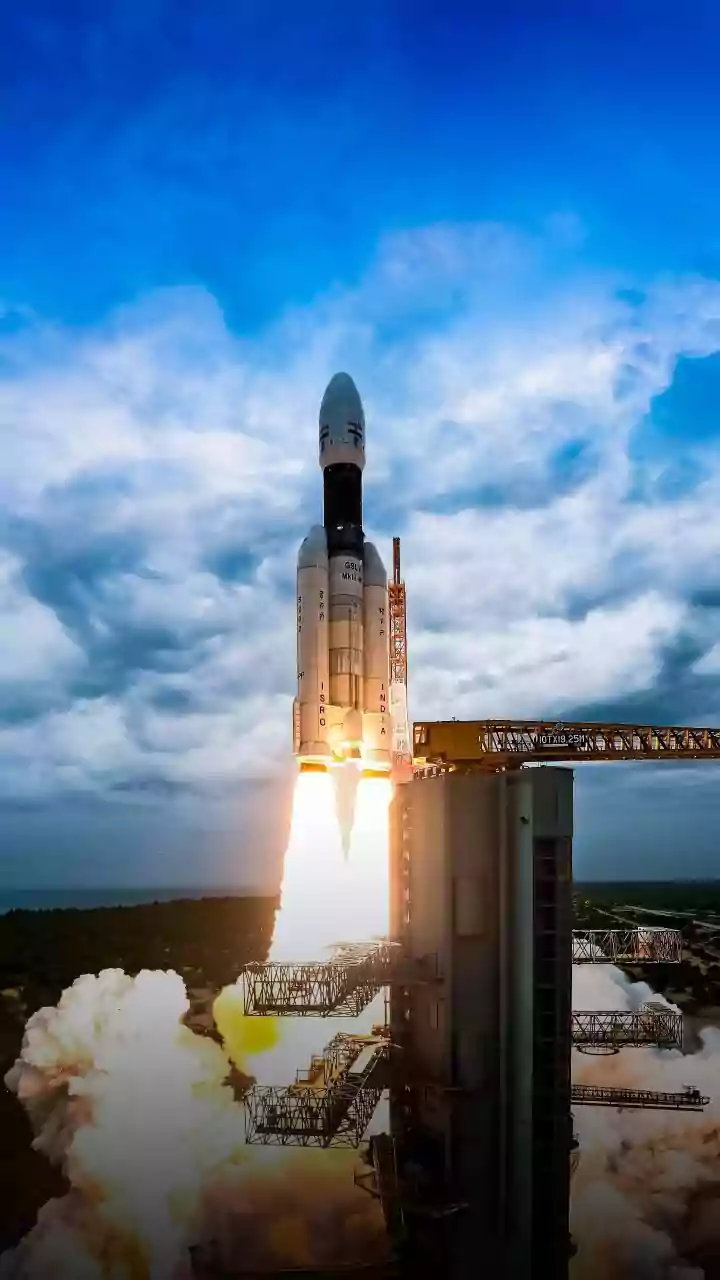
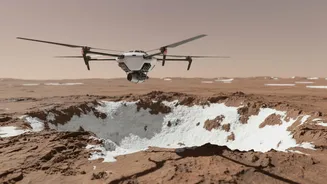
We now know that the coldest, darkest places on the Moon, the permanently shadowed craters near its poles, hold a valuable treasure: water ice. These craters have not seen direct sunlight for potentially billions of years, creating 'cold traps' with temperatures cold enough to preserve ice delivered by comets and asteroids. Missions like India's Chandrayaan-1 and NASA's Lunar Reconnaissance Orbiter provided the first definitive evidence of this surface ice, concentrated at the poles. Understanding exactly how much ice is there, how deep it goes, and its purity is a top priority for space agencies around the world.
A Blueprint for Lunar Living
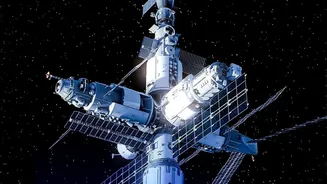
Having access to water on the Moon is a game-changer. The practice of using local materials, known as in-situ resource utilization (ISRU), is the cornerstone of sustainable space exploration. Launching materials from Earth is incredibly expensive; it is estimated to cost thousands of dollars to send even a small bottle of water to space. If astronauts can harvest water ice from the lunar soil, they can transform it into essentials. Beyond just drinking water, it can be split into hydrogen and oxygen. Oxygen is critical for breathable air in habitats, and both hydrogen and oxygen are powerful rocket propellants. This means a future lunar base could refuel rockets for return trips to Earth or for missions deeper into the solar system, like to Mars. Essentially, the Moon could become a cosmic refueling station.
More Than Just Water
While water ice gets most of the attention, the polar soil holds other secrets. This regolith is a complex mixture that could provide a wealth of information about the history of our solar system. The trapped volatiles—elements and compounds that vaporize easily—can offer clues about ancient cometary impacts and the origin of water on Earth itself. Furthermore, lunar soil itself, a challenging substance of sharp, abrasive dust, could be used as a construction material. Scientists are exploring methods to 3D-print bricks and structures from regolith, which would provide shielding from the harsh radiation and micrometeoroid impacts on the lunar surface. This reduces the need to launch heavy building materials from Earth, making a sustained human presence more feasible.
The Missions Making It Happen
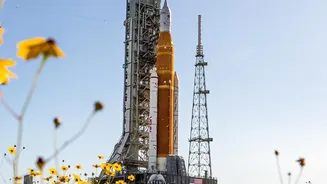
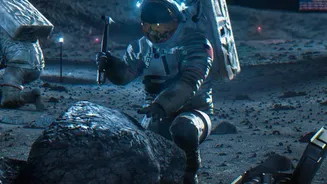
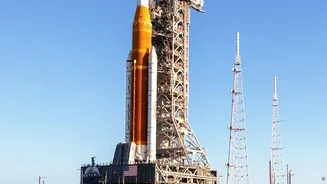
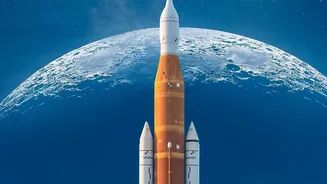
To get this vital data, we have to go there and dig. This is where a new generation of robotic missions comes in. NASA is planning to send the Volatiles Investigating Polar Exploration Rover (VIPER) to the Moon's South Pole. This golf-cart-sized robot is specifically designed to map the distribution of water ice and will be the first rover to use its own headlights to explore permanently shadowed regions. It will drill into the soil to understand the depth and concentration of these resources, creating the first resource maps of another world. These robotic scouts are paving the way for crewed missions under the Artemis program, which aims to land astronauts at the lunar South Pole. These missions will rely heavily on the data gathered by robotic precursors to ensure astronaut safety and identify prime locations for a future base.
Challenges in the Cold and Dark
Exploring the lunar poles is not easy. The same conditions that preserve the ice—extreme cold and perpetual darkness—create immense engineering challenges. Temperatures in permanently shadowed craters can plunge to some of the lowest in the solar system. Robotic rovers and, eventually, astronauts must be able to withstand these temperatures. Solar-powered equipment will face a major hurdle, as rovers like VIPER will have to drive out of the shadows to recharge their batteries. The lunar dust, or regolith, is another significant problem. It is sharp and abrasive and can damage equipment and pose health risks to astronauts. Understanding the physical properties of this soil from data gathered on-site is crucial for designing spacesuits, vehicles, and habitats that can withstand the harsh environment.