




Ladakh: The High-Altitude Escape
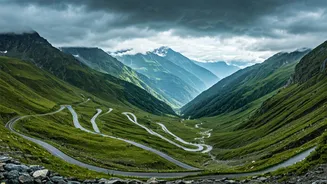
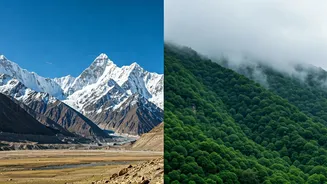
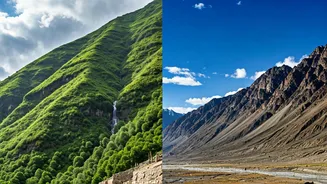
If you're looking to escape the rain entirely, Ladakh is your answer. Tucked away in a rain-shadow region, July offers this 'Land of High Passes' at its absolute best. With clear blue skies, pleasant daytime temperatures around 21-25°C, and all roads
and passes fully accessible, it's the peak season for a reason. This is the ideal time for that dream bike trip along the Manali-Leh or Srinagar-Leh highways. Explore the surreal landscapes of Pangong Tso, where the saltwater lake shifts through shades of blue, and the otherworldly sand dunes of Nubra Valley, home to double-humped Bactrian camels. While popular spots in Leh can get busy, the vastness of the region means tranquility is never far away. Advance booking for flights and accommodation is highly recommended.
Valley of Flowers, Uttarakhand: Nature's Carpet
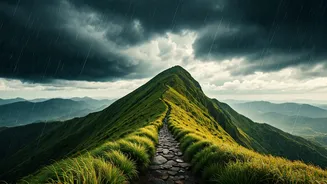
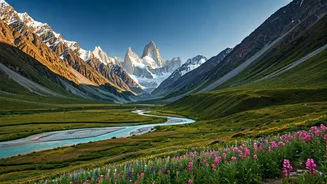
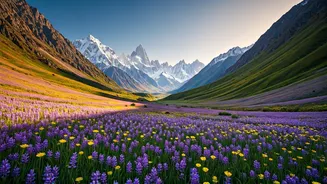
For trekkers and nature lovers, there is no better time to visit the Valley of Flowers than in July. This UNESCO World Heritage Site truly comes alive with the monsoon, as the rains trigger an explosion of flora. The valley becomes a vibrant carpet of over 500 species of wildflowers, including the rare Himalayan Blue Poppy and Brahma Kamal. The trek itself, starting from Ghangaria, is a moderate challenge made spectacular by the surrounding misty mountains and cascading waterfalls. The period from mid-July to mid-August is considered the absolute peak blooming season, offering a visual spectacle unlike any other. The weather is cool and pleasant, perfect for hiking, though good rain gear is essential.
Kerala: God's Own Country in Full Splendour
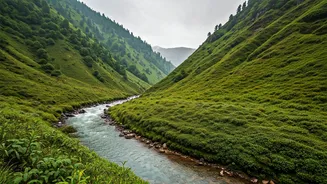
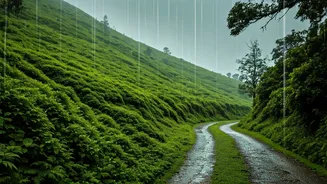
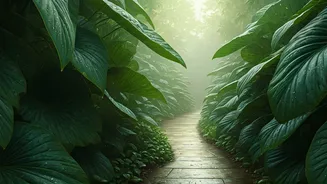
While some might shy away from a beach destination during the monsoon, Kerala beckons those who want to see it at its most lush and romantic. The Southwest Monsoon, known locally as Edavappathy, transforms the state into a verdant paradise. The backwaters of Alleppey and Kumarakom are brimming, making a houseboat cruise a serene and immersive experience. The rain doesn't fall incessantly; it typically comes in bursts for a few hours, followed by spells of soft sunshine. The hills of Munnar and Wayanad are shrouded in mist, their tea and spice plantations appearing more vibrant than ever. Waterfalls like Athirappilly are at their thunderous best. Furthermore, the monsoon is considered the best time for rejuvenating Ayurvedic treatments.
Udaipur, Rajasthan: The Romantic, Rain-Washed City
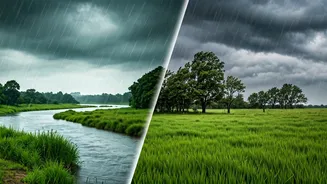
Udaipur in July is a far cry from the scorching heat it's known for in the summer. The monsoon brings welcome relief, washing the city's palaces and streets clean and filling its famous lakes to the brim. The temperatures become pleasant, ranging from 23°C to 30°C, making sightseeing enjoyable. The surrounding Aravalli hills turn a shade of deep green, providing a stunning backdrop to the marble architecture. Watching the rain fall over Lake Pichola from the City Palace or taking a boat ride on a full Fateh Sagar Lake is a magical experience. A trip to the Monsoon Palace (Sajjan Garh), perched on a hill, offers breathtaking panoramic views of the rain-kissed city and countryside below. It's a more peaceful, less crowded, and incredibly romantic time to visit the 'City of Lakes.'
Meghalaya: The Abode of Clouds
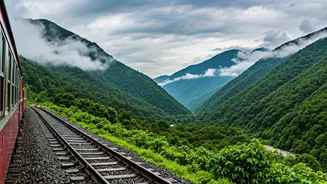
If you are someone who truly loves the rain, then why not go to the place that receives it the most? Meghalaya, the 'Abode of Clouds', is one of India's most dramatic monsoon destinations. Places like Cherrapunji and Mawsynram are famous for being among the wettest places on Earth, and in July, you can see why. The landscape transforms into a world of giant, roaring waterfalls, mist-covered valleys, and saturated green hills. This is the best time to witness the iconic Nohkalikai Falls and Seven Sisters Falls in their full glory. You can also explore the unique living root bridges, which are a testament to the harmony between nature and the local Khasi tribes. It's an immersive experience for the adventurous traveller looking for truly unique landscapes.