



Choosing the Right Herbs
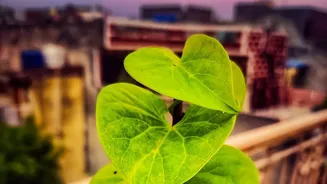
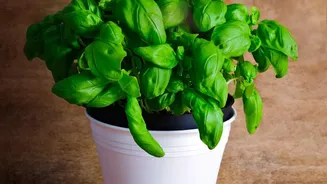
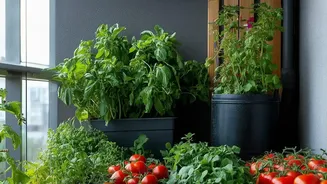
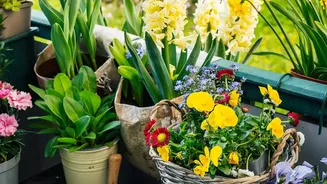
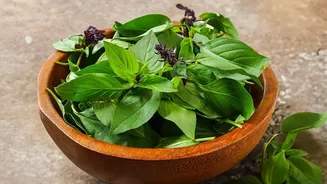
The key to a successful balcony garden is selecting herbs that are well-suited to container living and the Indian climate. Start with a few easy-to-grow favourites. Tulsi (Holy Basil) is a resilient plant that thrives in pots with moderate sunlight and regular
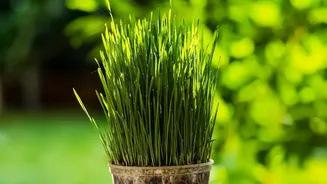
watering. Mint (Pudina) is another excellent choice; it grows vigorously and does well in partial shade, making it perfect for balconies that don't get sun all day. Just be sure to give it its own pot, as it tends to spread quickly. Coriander (Dhania) is a staple in Indian kitchens and can be grown easily, though it may need to be replanted periodically as it bolts in intense heat. Other fantastic options include Curry Leaves (Kadi Patta), which becomes a long-term companion, and Lemon Grass, which is hardy and adds a fresh aroma to your space.
Selecting Your Containers
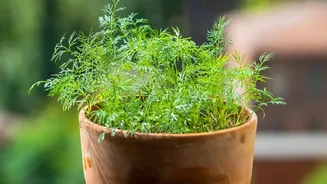
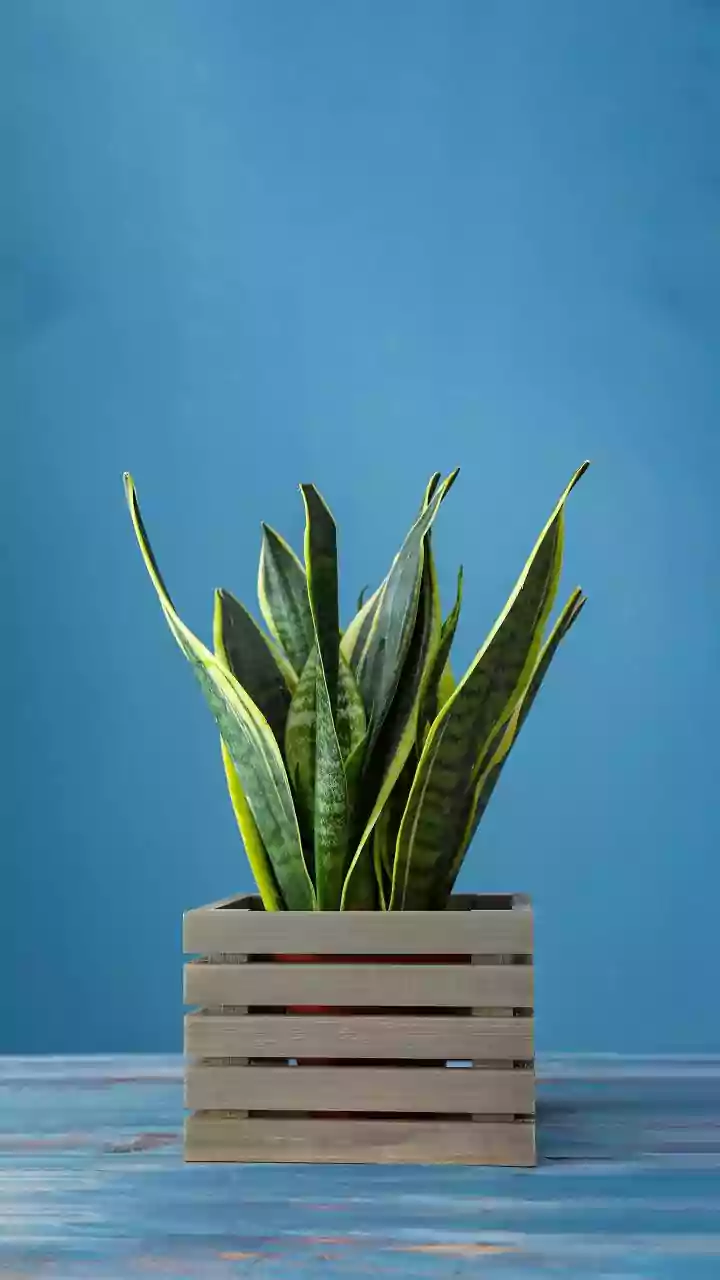
When it comes to pots, drainage is non-negotiable. Ensure any container you choose has holes at the bottom to prevent water from logging and causing root rot. Terracotta pots are a classic choice; they are porous, which allows for good air circulation around the roots, but this also means they dry out faster. Plastic or fibreglass pots are lightweight alternatives that retain moisture better, making them a practical option for balconies. The size of the pot matters, too. Most herbs are comfortable in pots that are 8 to 12 inches in diameter. A general rule is to choose a pot that is a couple of inches wider than the plant's current size to give it room to grow.
Sunlight and Placement
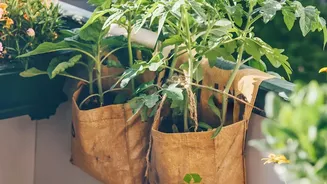
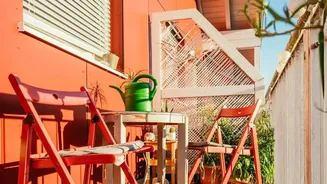
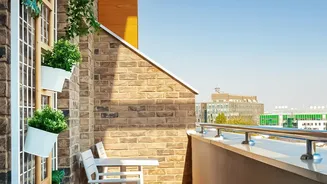
Before you start planting, take a day to observe your balcony. Note which areas get the most sunlight and for how long. Most herbs thrive with at least six hours of sunlight per day. Balconies facing south or west are often ideal for sun-loving herbs. If your balcony is shadier, don't despair. Herbs like mint and parsley can tolerate partial shade. Arrange your pots to match the plants' needs, placing sun-lovers in the brightest spots. You can also use railing planters or vertical stands to maximize your growing space and ensure each plant gets adequate light.
The Perfect Potting Mix
Using the right soil is crucial for container gardening. Do not use heavy garden soil, which can become compacted in pots and hinder drainage. Instead, opt for a light, well-draining potting mix. You can buy a pre-made mix from a nursery or create your own. A good DIY mix for herbs typically consists of equal parts cocopeat, compost (like vermicompost), and perlite or sand. This combination provides nutrients, retains adequate moisture, and allows excess water to drain away, creating the perfect environment for healthy roots.
Watering and Basic Care
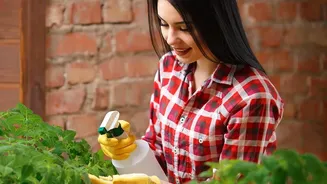
Container gardens can dry out quickly, especially on sunny or windy days. Check the soil moisture daily by sticking your finger about an inch deep. If it feels dry, it's time to water. Water thoroughly until you see it running out of the drainage holes. In peak summer, your plants might need watering once or even twice a day. To encourage bushier growth, harvest your herbs regularly by snipping off the top leaves. This not only gives you fresh ingredients for your kitchen but also prompts the plant to grow fuller. Keep an eye out for common pests and address any issues early with natural solutions like neem oil spray.