





A Digital Revolution in Voice
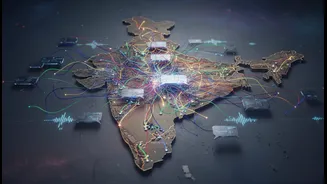
In a country with over 1.17 billion telecom subscribers but hundreds of languages and dialects, the digital divide has often been a language barrier. While smartphones are widespread, a significant portion of India's population has been excluded from
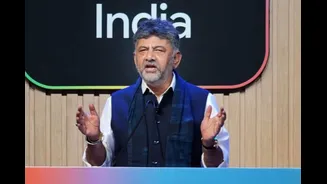
the full benefits of the digital age because most interfaces and services are not in their native tongue. At its recent Google I/O Connect event in Bengaluru, Google announced a transformative update: its advanced AI assistant, Gemini Live, can now naturally converse in over 25 Indian languages and dialects. This isn't just about adding a few new languages to a list; it's about fundamentally changing who can participate in the digital economy.
Beyond Translation to Conversation
Previous translation tools were often clunky, text-based, and failed to capture the nuance of regional dialects. Gemini Live aims to be different. It’s designed for natural, real-time voice conversations. A user can speak in Bhojpuri, Maithili, or even Sanskrit, and the AI will understand and respond fluently. The technology is built on advanced audio models that can understand not just words, but speech patterns, making the interaction feel less like talking to a machine and more like a genuine conversation. This leap from robotic translation to fluid dialogue is crucial for adoption among first-time internet users.
The Reality of India's Linguistic Divide
For years, the internet in India has catered primarily to English and a handful of major regional languages. This has left hundreds of millions of people on the sidelines. Imagine a farmer in rural Uttar Pradesh trying to find information on crop prices, a small business owner in Bihar wanting to sell their products online, or an elderly person in a remote village trying to access government services. Without proficiency in a dominant digital language, these simple tasks become insurmountable hurdles. By integrating dialects, Gemini Live meets users where they are, in the language they think and speak in every day. This shift removes a massive psychological and practical barrier to technology adoption.
Unlocking Economic and Social Opportunity
The implications of this rollout are vast. For small entrepreneurs and local artisans, it means the ability to create content, market their goods, and communicate with customers across the country without needing an intermediary. For students, it offers a powerful learning tool, allowing them to ask questions and explore complex topics in their mother tongue, as demonstrated by Google's collaboration on educational tools like ATL Saathi. In sectors like healthcare, patients will be able to more clearly communicate their symptoms to AI-powered diagnostic tools or access health information. By enabling easier access to information and services, the tool empowers individuals and could drive significant grassroots economic growth.
Preserving Heritage in the Digital Age
There's also a powerful cultural dimension to this development. When technology platforms ignore regional dialects, they inadvertently signal that these languages are less important, accelerating their decline. By actively training its most advanced AI on languages like Sanskrit and Bhojpuri, Google is not only making its technology more inclusive but also helping to preserve India's rich linguistic heritage. This effort is partly thanks to initiatives like Project Vaani, a collaboration with IISc-Bangalore to open-source speech data for numerous Indic languages, creating a foundation for more inclusive AI. The inclusion of these dialects in a mainstream AI tool validates their importance and ensures they have a place in the digital future.