






More Than a Movie, It's a Social Ritual
In India, going to the movies is rarely a solitary act; it's a community event. It's a planned outing for families, a celebratory gathering for friends, and a cherished ritual for couples. This social aspect is something a living room couch simply cannot
replicate. The collective gasps during a thriller, the shared laughter in a comedy, and the roar of applause when a superstar makes their entrance are integral parts of the experience. Research shows that for 90% of Indians, the cinema is a primary choice for out-of-home leisure. It's an escape from the mundane, a chance to be part of an audience, and a tradition that binds generations. The act of coordinating with a group, travelling to the theatre, and sharing the moment makes the film more than just content—it transforms it into a memory.
The Irresistible Pull of Spectacle
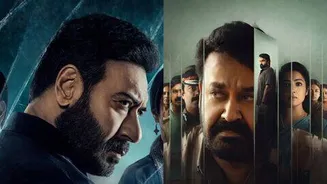
Indian cinema, particularly in recent years, has leaned into creating larger-than-life spectacles. VFX-heavy epics, high-octane action sequences, and grand musical numbers are designed to be experienced on the largest screen possible, with booming surround sound. Films like "Kantara: Chapter 1" and "Dhurandhar" became national events precisely because they offered an immersive experience that a television or smartphone screen dilutes. These are not just movies; they are 'event films' that demand a theatrical viewing. The industry has recognised that to draw audiences out of their homes, they must offer something that streaming cannot match. This has led to a focus on productions with immense scale and technical grandeur, creating a clear distinction between content made for streaming and films crafted for the big-screen experience.
A Symbiotic Relationship, Not a War
The narrative of 'theatres versus OTT' is gradually shifting to one of coexistence. The Indian box office has shown surprising strength, with 2025 collections hitting a new high of around ₹13,000 crore, indicating that audiences are willing to pay for the right film. Simultaneously, the number of films premiering directly on OTT platforms has fallen significantly. Studios are returning to a theatre-first model, using a theatrical run to build hype and cultural relevance before a film lands on a streaming service. Exhibitors are also pushing for a longer, more consistent exclusive window—around eight weeks—to prevent audiences from simply waiting for the digital release. This sequencing allows a film to have two lives: first as a community event in cinemas, and later as convenient content at home, creating a more sustainable financial model for the entire industry.
The Evolution of the Cinema Hall
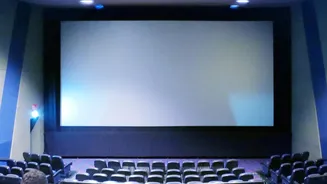
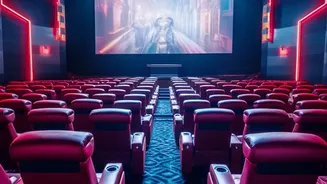
Multiplex chains like PVR INOX are not just selling movie tickets; they are selling an upgraded experience. Realising they can't compete with streaming on price, they are competing on quality. This includes investing in premium formats like IMAX and 4DX, introducing plush recliner seats, and offering gourmet food and beverage options. By turning a simple movie outing into a luxurious experience, they provide a value proposition that justifies the cost. Furthermore, cinemas are diversifying their content, screening live sports, concerts, and comedy shows to become all-around entertainment destinations, ensuring footfalls even when there isn't a major blockbuster. Initiatives like "Cinema Lovers Day," with heavily discounted tickets, have also proven immensely successful, driving huge volumes and reminding audiences of the joy of the shared experience.