




A Tale of Two Monsoons
On paper, the all-India rainfall deficit stood at around 12% below the long-period average as of mid-August, a figure that might not sound alarming on its own. However, this national average masks a deeply fractured reality on the ground. While parts
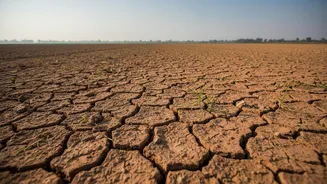
of Central India have received near-normal rain, other critical agricultural belts are parched. The East and Northeast have seen a staggering shortfall of around 27%, with the southern peninsula facing a deficit of over 20%. Key states like Bihar, Jharkhand, Punjab, Karnataka, and Kerala are grappling with significant shortfalls, some exceeding 30%. This pattern of extreme disparity—where some districts face deluges while their neighbours endure long dry spells—is more challenging for agriculture than a uniform, moderate deficit.
Sowing Under Stress
The window for sowing summer crops is now virtually closed, and the final report card shows clear signs of stress. As of August 14, the total area sown under Kharif crops was about 2% lower than the previous year. The impact is most visible in major staples. The acreage for rice, the country's primary Kharif cereal, is down by 3.7%. Worryingly, an analysis shows that 40 of India's top 50 rice-producing districts are currently experiencing rainfall deficits. The situation is similar for pulses and coarse cereals, with the area under tur (arhar) and maize both declining by about 4%. Although sowing for pulses recovered slightly in early August after a slow start, concerns about final production linger due to the erratic weather.
The Critical Fortnight Ahead
With planting largely complete, the nation's agricultural focus now shifts from acreage to yield. Crops like paddy, soybean, and maize are entering their critical reproductive and grain-filling stages, where consistent moisture is non-negotiable for a healthy harvest. Agricultural experts warn that the next few weeks will be decisive. Prolonged dry spells through the remainder of August and into September could severely stunt growth, reduce output, and dash hopes of a bumper harvest. For millions of farmers, particularly the 55-60% who depend entirely on rain-fed agriculture, this period is one of anxious waiting. The success or failure of their crops now hinges on the monsoon's performance in its final, crucial leg.
The Ripple Effect on Your Wallet
The fate of the Kharif harvest extends far beyond the farm gate, directly impacting the household budget of every Indian. A significant shortfall in production, especially in staples like rice and pulses, could fuel food inflation. Economists have warned that a weak monsoon is a primary risk to India's inflation outlook, with some estimating that a 10% deficit in rainfall could push headline inflation up by a full percentage point. The Reserve Bank of India is watching the situation closely, as a spike in food prices could constrain its ability to manage economic growth. Furthermore, the banking sector is bracing for potential increases in agricultural loan defaults if farm incomes take a hit, highlighting the vast economic web connected to the monsoon's rhythm.
Contingency Plans in Motion
In response to the unfolding situation, linked by many forecasters to the El Niño phenomenon, government agencies are stepping up their efforts. The Ministry of Agriculture is working with states to roll out district-specific contingency plans. These measures include promoting the use of short-duration and drought-tolerant crop varieties, issuing timely advisories to farmers, and ensuring the availability of essential inputs like fertilizer. The government is also banking on its significant buffer stock of pulses, which can be released into the market to stabilize prices and ensure availability in case of a domestic production shortfall. These efforts aim to build resilience and provide a safety net for farmers navigating an increasingly unpredictable climate.