






What is Living Architecture?
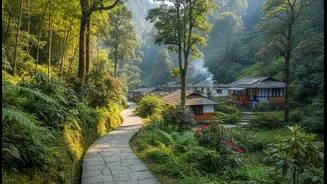
Living architecture refers to structures created through a deep, symbiotic relationship between human ingenuity and nature. These are not static buildings, but dynamic, growing systems that are woven into the ecological and cultural fabric of a place.
The most iconic examples in India are the living root bridges (Jingkieng Jri) of Meghalaya. For centuries, the Khasi and Jaintia communities have guided the aerial roots of the Ficus elastica (rubber fig) tree across rivers and gorges, a process that can take 15 to 30 years. The result is a bridge that, unlike concrete or steel, grows stronger over time, healing itself and becoming more resilient with every monsoon. This is vernacular architecture at its finest—a solution born from local necessity, using local materials, and passed down through generations.
The Dual Threats of Neglect and Overtourism
These unique structures face a precarious future, caught between two opposing dangers. On one hand, as modern construction offers faster alternatives, the intricate traditional knowledge required to grow and maintain root bridges is at risk of fading. The practical need that spurred their invention is diminishing, leading to potential neglect. On the other hand, their growing fame as tourist attractions brings a different threat. Unmanaged, heavy footfall can damage the delicate root systems, while associated construction can compromise the natural environment that sustains them. This paradox is central to their conservation: the very thing that brings them global recognition—tourism—could also hasten their demise if not handled with immense care.
A New Model for Sustainable Tourism
This is where sustainable tourism frameworks come in. The goal is to transform tourism from a purely extractive activity into a regenerative one. It’s not just about managing visitor numbers but about creating a circular system where tourism revenue directly supports the conservation of the heritage it relies on. For living architecture, this means investing in the community and the ecosystem. Organisations like the Living Bridge Foundation, supported by partners like the UNDP, are creating community-based tourism models. These frameworks aim to ensure that the economic benefits flow back to the local villagers, creating a powerful incentive to protect their natural and cultural assets.
The Crucial Role of the Next Generation
Sustainable tourism models prioritise training youth because they are the essential bridge between the past and the future. The elders of the community hold the invaluable, nuanced craft of weaving and tending to the roots, knowledge that is often passed down orally. By creating formal training programmes and apprenticeships, this wisdom is transferred to a new generation, preventing it from being lost. Empowering local youth as guides, conservationists, and tourism entrepreneurs provides meaningful employment within their own villages, countering the trend of urban migration. This fosters a renewed sense of pride and ownership over their heritage. They cease to be passive bystanders to tourism and become active guardians of their ancestral legacy.
From Guardians to Innovators
Training young people does more than just preserve old ways; it empowers them to innovate. Equipped with traditional knowledge and modern skills, they are uniquely positioned to navigate the contemporary world. They can use digital tools to document the intricate building process, market their unique cultural experiences to a global audience responsibly, and develop new, low-impact tourism activities that celebrate their heritage. This new generation of guardians becomes the voice of their ecosystem, advocating for its protection on a larger stage and ensuring that the living architecture does not just survive as a relic, but thrives as a dynamic and evolving part of their community's future.