








Choose Your Materials Wisely
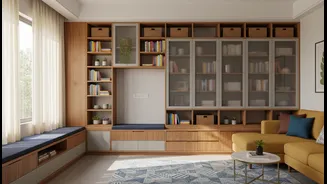
The foundation of a humidity-proof home lies in its core materials. For furniture, solid woods that are naturally resistant to moisture, like teak, are a timeless investment. In more contemporary homes, furniture made from stainless steel or powder-coated
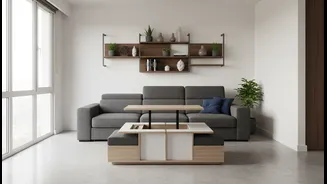
aluminium offers a sleek, modern, and rust-proof alternative. Avoid untreated solid wood which can warp, and particle board which may swell and disintegrate in high humidity. For walls, instead of wallpapers that can trap moisture and peel, opt for breathable paints or even tiled surfaces in high-moisture zones. Flooring choices like vitrified tiles, stone, or polished concrete are excellent as they don't absorb moisture and are easy to clean.
Embrace Breathable Fabrics
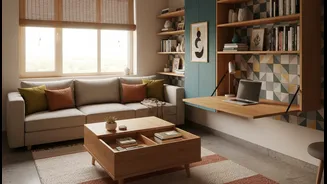
Heavy velvets and brocades might look luxurious, but in a humid climate, they act like sponges, trapping moisture and odours. The key is to switch to lightweight, natural, and breathable textiles. For curtains, bedsheets, and cushion covers, light cottons, linen, and muslin are your best friends. These fabrics allow air to circulate freely, dry quickly, and don't feel sticky against the skin. During the monsoon, it’s a wise move to pack away heavy carpets and rugs, replacing them with cotton dhurries or jute mats that are easier to clean and dry. This simple textile swap can dramatically reduce the feeling of dampness in a room.
Prioritise Air Circulation
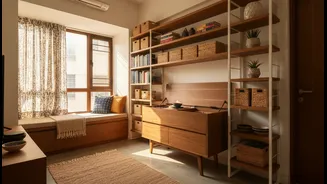
A stuffy home will never feel cosy, no matter how well-decorated. Good ventilation is non-negotiable. Traditional Indian architecture mastered this with elements like central courtyards and jaalis (perforated screens), which encourage natural airflow. In a modern apartment, you can mimic this by ensuring good cross-ventilation—opening windows on opposite sides of a room to let air flow through. Placing furniture a few inches away from the walls also helps prevent moisture from getting trapped and allows air to circulate more freely. Even simple habits, like using exhaust fans in kitchens and bathrooms, can make a huge difference in managing indoor humidity levels.
Declutter for a Lighter Feel
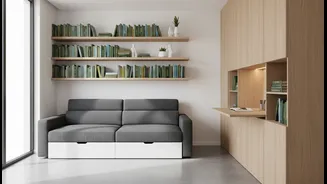
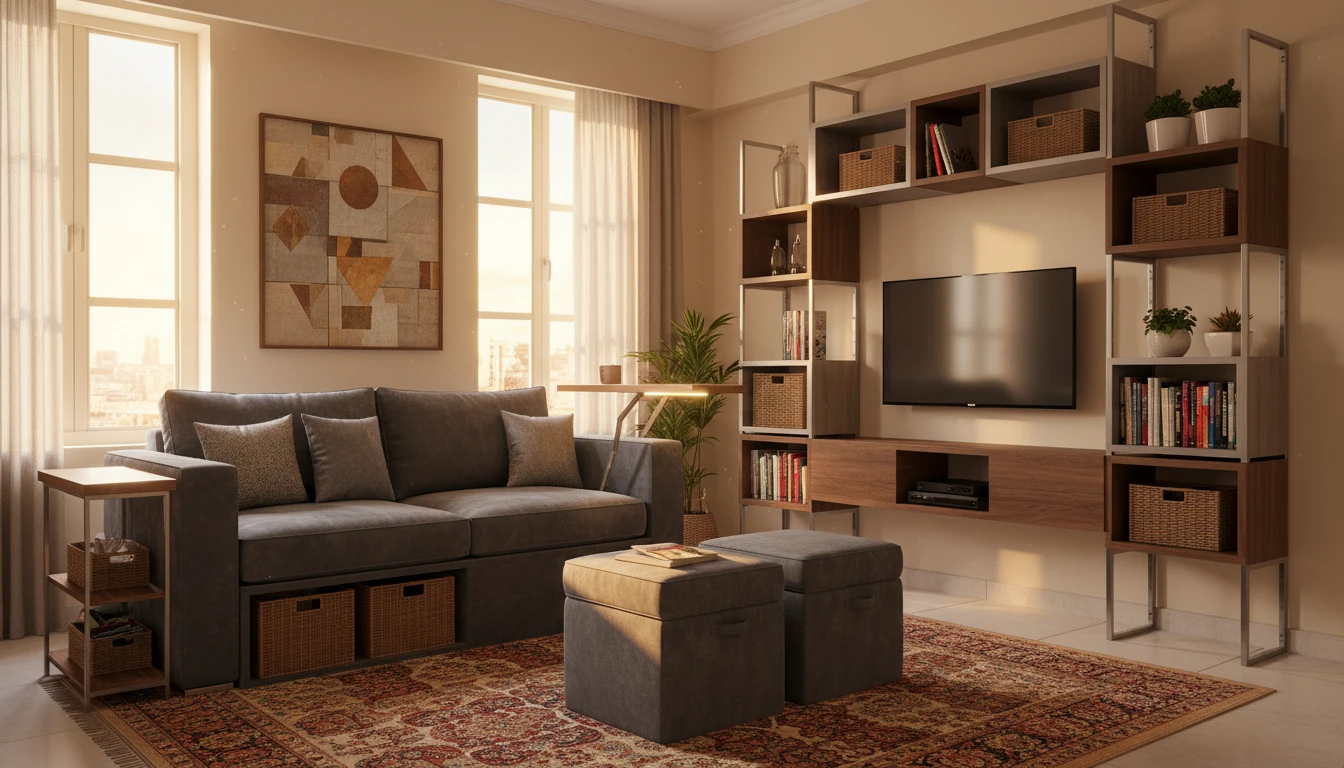
Cosiness is often associated with abundance, but in a humid climate, clutter is your enemy. Piles of books, dense arrangements of decorative objects, and over-stuffed shelves can all restrict airflow and become gathering spots for dust and dampness. Adopting a more minimalist approach helps create a sense of space and allows the air in your home to breathe. A clean, organised space not only feels calmer but is also significantly easier to maintain. Focus on a few beautiful, well-chosen decor pieces rather than an abundance of smaller items. This strategy ensures your home feels intentional and comfortable, not just full.
Use Scents and Lighting to Set the Mood
With the basics of materials and airflow sorted, you can focus on the sensory details that truly create a cosy atmosphere. Banish musty smells with natural fragrances. Burning camphor, incense, or using essential oil diffusers with oils like tea tree or lemongrass can help combat damp smells and even have anti-fungal properties. Lighting also plays a crucial role. During grey monsoon days, warm, soft lighting from lamps can make a space feel instantly more inviting. The gentle glow of a candle or a traditional diya can create a feeling of warmth and refuge from the dreary weather outside.