





The Twin Pressures of Politics and Weather
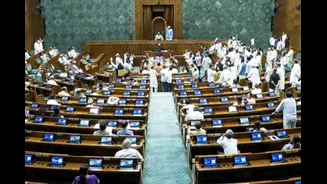
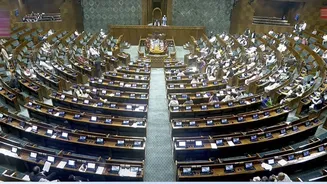
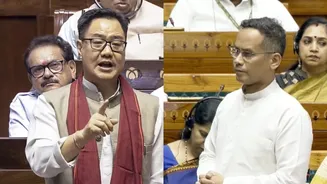
The Monsoon Session, typically held between July and August, is a critical legislative period. This year, from July 20 to August 13, lawmakers are set to tackle a packed agenda including major bills on income tax, MSME development, and the judicial system.
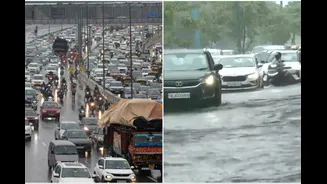
These are not trivial matters; they require sharp focus and rigorous debate. However, this intense political activity unfolds during Delhi's most uncomfortable weather. July and August bring extreme humidity, with average levels hovering around 73%, making the actual temperature feel much hotter. Recent reports from early July 2026 noted a 'feels like' temperature soaring to nearly 50°C due to high humidity, creating sweltering and sticky conditions. This physically draining environment is the backdrop against which the nation's most important laws are made.
The Cognitive Cost of Discomfort
This is not merely about comfort. A growing body of research shows a direct link between high humidity and diminished cognitive function. Studies have demonstrated that hot and humid environments can lead to reduced attention spans, slower reaction times, and impaired performance on cognitive tests. When the human body is working overtime just to stay cool, less energy is available for complex thinking and decision-making. In a high-stakes environment like Parliament, where every clause of a bill and every argument in a debate matters, even a slight impairment in cognitive performance can have significant consequences. Legislating under such duress raises questions about the quality of scrutiny and the overall effectiveness of the session, which often already suffers from low productivity due to political disruptions.
Defining 'Flexible Intensity'
A smarter approach is needed, one that could be called 'flexible intensity'. This isn't a call for less work, but for a more strategic schedule that acknowledges environmental realities. Instead of long, unbroken sittings through the hottest and most humid parts of the day, Parliament could adopt a more dynamic timetable. This might involve shorter morning and evening sessions with a longer break in the afternoon. Intense, high-stakes debates could be scheduled for cooler times, while routine business is handled during less cognitively demanding periods. This approach would allow lawmakers to conserve mental and physical energy for when it is most needed, ensuring that critical legislation receives the full attention it deserves. It’s about managing parliamentary energy to maximize output quality, not just sitting hours.
A Modern Approach to an Old Institution
Adapting work schedules to environmental conditions is a hallmark of modern, efficient management. If other sectors can innovate, so can our highest legislative body. The idea of modifying parliamentary schedules is not entirely alien. Discussions have occurred around setting a fixed annual calendar or even holding weekend sittings to make up for lost time, showing a willingness to consider procedural changes for the sake of productivity. Private member bills have also sought to mandate a minimum number of sitting days to enhance accountability. Adjusting the daily schedule during the Monsoon Session is a logical extension of this thinking. It would be a pragmatic, evidence-based reform that prioritises the effectiveness of the legislative process over adherence to a rigid, century-old timetable. By doing so, Parliament can set an example of a forward-thinking institution capable of adapting to ensure it functions at its best.