
A Sweet Tied to a God
The story of the Mathura peda is intertwined with the city's very essence as the birthplace of Lord Krishna. The Braj region has a rich dairy heritage, and stories of Krishna's love for milk, butter, and curd are central to local folklore. This created
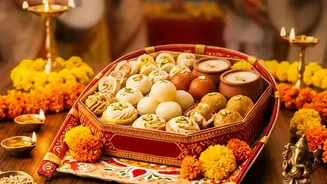
the perfect environment for a milk-based sweet to become a culinary star. The peda is more than just a local delicacy; it is a primary form of 'prasad', a blessed offering made in temples and then shared among devotees. For millions of pilgrims visiting temples like the Krishna Janmabhoomi and Dwarkadhish, a trip is incomplete without taking home a box of these sweets, which carry the spiritual resonance of the holy city. This tradition has cemented the peda's status from a local treat to a sacred souvenir.
The Art of a Perfect Peda
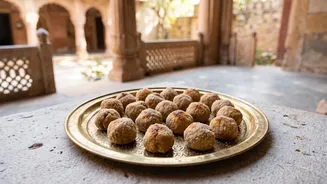
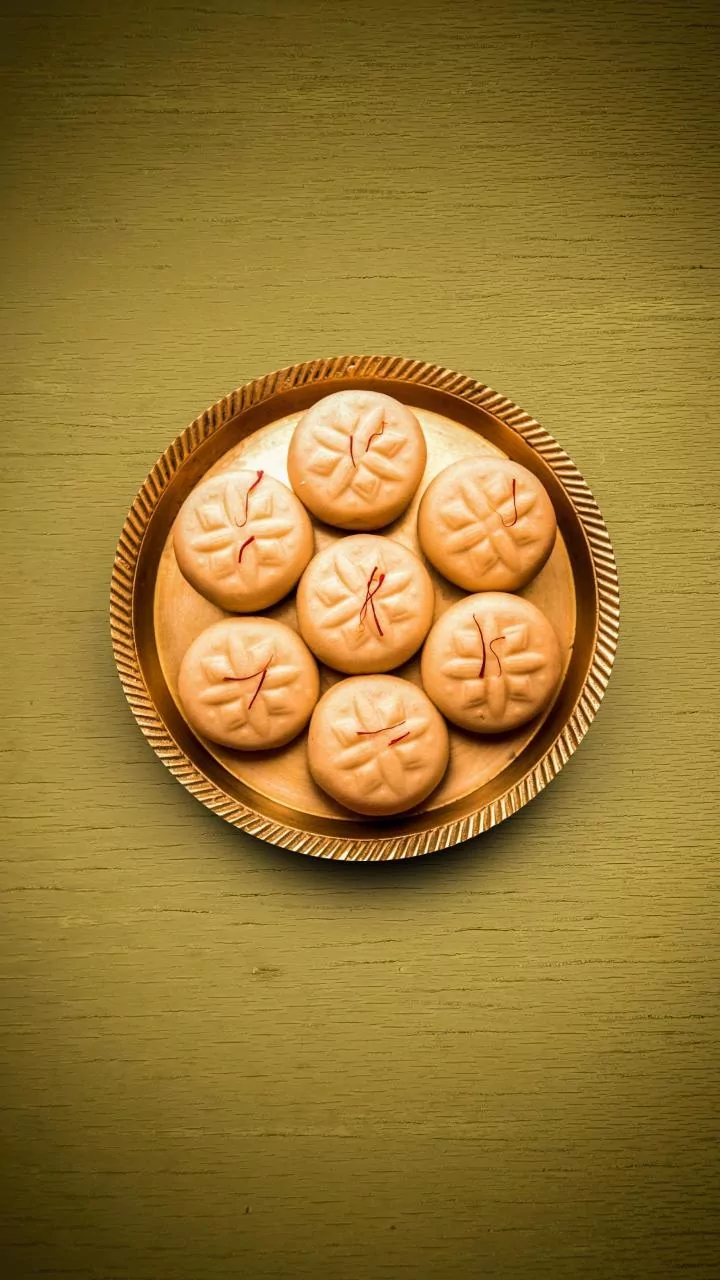
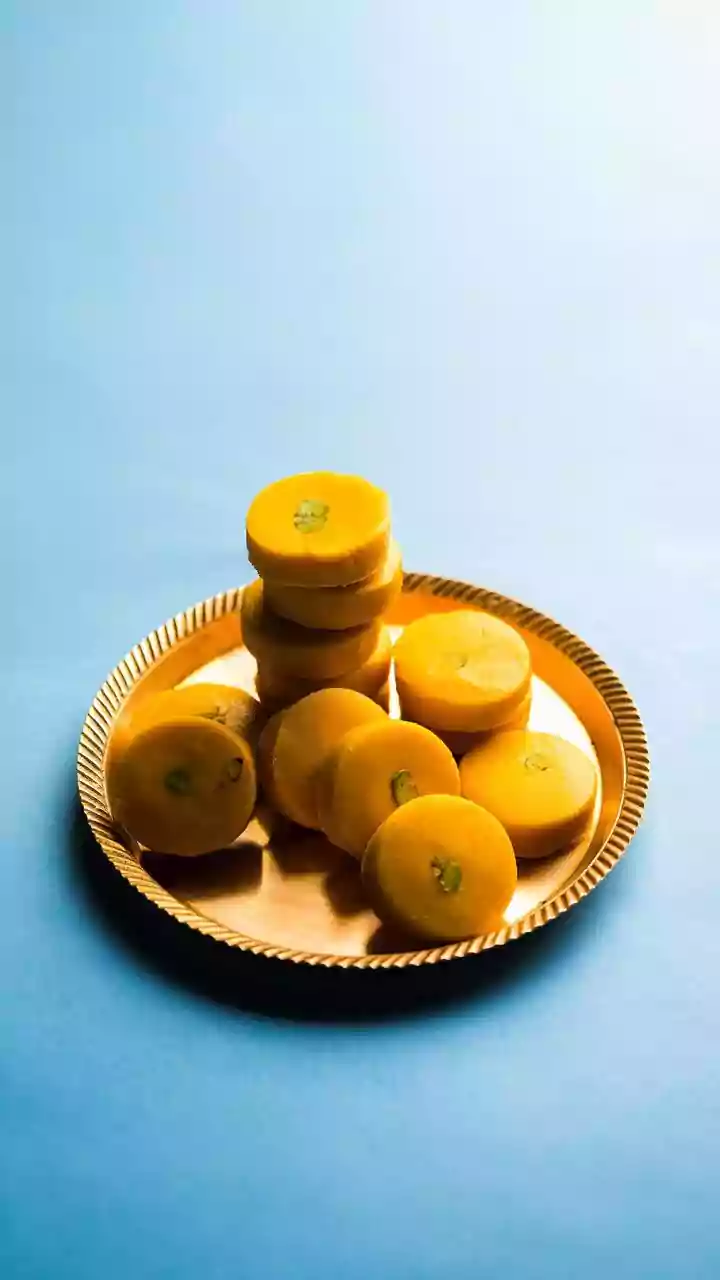
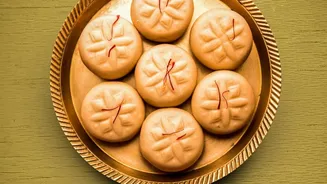
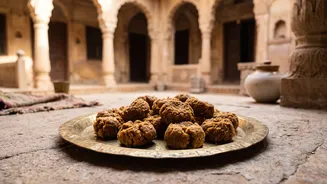
What distinguishes the Mathura peda from its many cousins across India is its unique preparation and resulting character. The process begins with khoya or mawa—milk that has been slowly simmered in a wide pan until the water evaporates, leaving behind crumbly milk solids. But for the Mathura style, this is just the beginning. The khoya is then roasted, often with ghee, over a controlled flame. This slow roasting is a patient art; it continues until the milk solids caramelise, turning a distinct brownish colour and developing a deep, nutty aroma. This browning process is what gives the Mathura peda its signature slightly grainy texture and rich, caramel-like flavour, a stark contrast to the softer, paler pedas found elsewhere.
Simplicity in Every Bite
The ingredient list for an authentic Mathura peda is deceptively simple: high-quality milk, sugar, and perhaps a touch of cardamom or nutmeg for aroma. Traditionally, a special type of unrefined sugar called 'tagar' or 'bura' is used, which contributes to the sweet's characteristic granular mouthfeel. After the roasted khoya cools slightly, the sugar and flavourings are mixed in. The mixture is then shaped by hand into small, dense discs, which are sometimes rolled in a final coating of the powdered bura. This focus on pure ingredients and meticulous technique, passed down through generations of sweet-makers, is what defines its authentic taste.
A Legacy Facing the Future
The fame of 'Mathura ka peda' is so widespread that the name itself has become a brand, referenced in folklore and songs. Recognizing its cultural and economic importance, efforts have been underway to secure a Geographical Indication (GI) tag for the sweet. An application was filed by the Mithai Association Mathura to legally protect its authenticity and heritage from imitations. While the process is still ongoing as of late 2026, the move signifies a formal recognition of what devotees and food lovers have known for centuries: that the true Mathura peda is a product of its specific geography, culture, and history. This protection would help combat the issue of adulterated or fake versions, ensuring that the legacy of Mathura's most famous offering remains pure.