







The Science Behind the Hack
The dreaded browning on greens, fruits, and vegetables is the result of a chemical reaction called enzymatic browning. [11, 13] When you cut, bruise, or tear produce, you break open its cells, allowing enzymes like polyphenol oxidase (PPO) to mix with
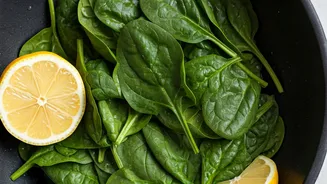
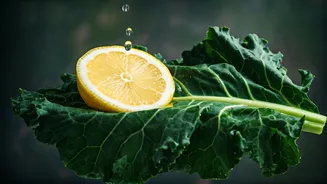
phenols, another component of the cells. [12, 21, 22] In the presence of oxygen, this enzyme rapidly converts these phenols into new chemicals called quinones, which then form brown-coloured pigments known as melanin. [21, 22] This is where lemon juice comes to the rescue. Lemon juice is rich in ascorbic acid, also known as Vitamin C, which is a powerful antioxidant. [2] The acid works in two ways: it deactivates the PPO enzyme by creating a low-pH environment, and the ascorbic acid itself reacts with the oxygen first, effectively preventing it from kicking off the browning process. [2, 12] By stopping the enzyme and intercepting the oxygen, you keep your greens looking fresh and green.
Your Step-by-Step Guide
Using lemon juice to preserve your greens is incredibly simple. For reviving slightly wilted lettuce, you can add a few squeezes of fresh lemon juice to a large bowl of cold water. [10] Submerge the leaves for about 10-15 minutes, and you'll notice them perk up as the cells rehydrate. The acidity from the lemon can help the cells absorb more water, making them crisper. [10, 14] For preventing browning on freshly cut greens, like romaine for a salad, a more direct approach works well. Simply toss the leaves in a bowl with a small amount of lemon juice. A teaspoon or two is often enough to lightly coat the leaves and provide protection without overwhelming the flavour. [12] After treatment, it’s crucial to dry the leaves thoroughly, as excess moisture is the number one cause of slimy, spoiled greens. [1, 4] A salad spinner is ideal for this task.
But What About the Flavour?
A common concern is whether the lemon will make your greens taste sour. When used in moderation, the effect on taste is minimal. A small amount, especially when diluted in a water bath to revive wilted leaves, is unlikely to be noticeable. [10] If you're tossing cut greens directly with lemon juice, the subtle citrus note can actually enhance the overall flavour of a salad, complementing many dressings and other ingredients. [16, 17] In fact, a bit of acid is often used to balance the bitterness in greens like kale or arugula. [15] If you're particularly sensitive to the taste, you can give the leaves a quick rinse after their lemon water bath before drying them. However, for most uses, the small amount of lemon required acts as a seasoning, not an overpowering flavour.
Other Tricks to Keep Greens Crisp
While lemon juice is a fantastic tool, it's not the only way to extend the life of your leafy vegetables. Proper storage is perhaps the most critical factor. The best method involves managing moisture. After washing and thoroughly drying your greens, store them in a hard-sided container lined with a paper towel. [5, 6, 7] The paper towel absorbs any excess moisture that can lead to rot, while the container protects the delicate leaves from being crushed. [6] Change the paper towel every couple of days for the best results. [1] For heartier greens like kale or Swiss chard, some people have success treating them like a bouquet of flowers: trim the stems and stand them upright in a jar with a little water in the fridge. [5] Other acids can also work in a pinch. Lime juice is the best substitute, offering a similar pH and taste profile. [18] Vinegars like white wine or rice vinegar can also prevent browning, but their strong flavours are more noticeable. [19, 23]