






The New Face of the Indian Pantry
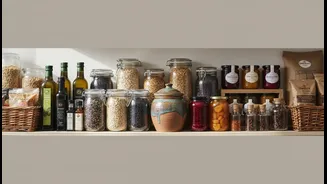
Take a look inside the modern urban Indian pantry, and you might be surprised. Alongside the standard bags of rice and dal, you are now likely to find wood-pressed mustard oil, Himalayan pink salt, stone-ground ragi flour, and small-batch honey. This
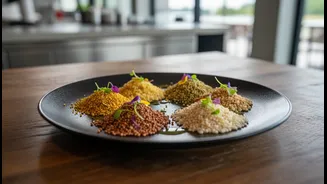
shift represents a move away from mass-produced commodities and towards curated, premium products. It's not just about cooking a meal; it's about the quality, origin, and story behind each ingredient. Items that were once considered niche, such as artisanal cheeses, gourmet sauces like gochujang, and bean-to-bar chocolates, are becoming essentials for a growing number of households. This trend reflects a deeper change in what consumers value, prioritizing products that promise purity, superior flavour, and a connection to traditional, healthier methods of production.
Health Consciousness as a Key Driver
At the heart of this premium shift is a surge in health consciousness. Indian consumers are more aware than ever of the link between diet and well-being, and they are willing to invest in it. The demand for 'clean labels', preservative-free foods, and organic products has skyrocketed. Studies show that health benefits are a significant factor influencing purchasing decisions, with a large percentage of consumers actively seeking safer and healthier food choices. This has fueled the popularity of items like A2 ghee, unpolished pulses, and ancient grains like millets, which were once considered humble but are now celebrated for their nutritional benefits. Consumers are scrutinising ingredients and showing a preference for brands that offer transparency about sourcing and production processes.
From Commodity to Curated Experience
This trend is about more than just health; it's about transforming the mundane act of cooking into a more elevated experience. Consumers are no longer just buying a product, but the story and craftsmanship behind it. An artisanal cheese from Kumaon or a single-estate coffee from Karnataka offers a sense of discovery and connection that mass-market alternatives often lack. This desire for authenticity and unique flavours is also driven by increased global exposure and a curiosity to experiment with different cuisines at home. The pantry has become a reflection of a discerning lifestyle, where even everyday meals are an opportunity for a small, affordable luxury.
The Power of Digital-First Brands
The rise of luxury staples would be unimaginable without the explosion of Direct-to-Consumer (D2C) brands. These digital-native companies have disrupted the traditional FMCG market by reaching consumers directly through social media and e-commerce platforms. By eliminating intermediaries, they can better control their narrative, build a community around their products, and offer niche items that might not find space on a crowded supermarket shelf. This model has proven particularly effective for food and grocery, one of the fastest-growing D2C segments. Platforms like Instagram and quick-commerce apps have also been instrumental, turning product discovery into an instant purchase and making premium goods more accessible than ever, even in smaller cities.
Is the Premium Price Tag Justified?
Of course, these premium pantry staples come with a higher price tag. For many consumers, the added cost is a worthwhile investment in health, taste, and quality. They perceive value not just in the product itself, but in the absence of adulteration, the use of superior ingredients, and support for ethical or sustainable production methods. However, for a significant portion of the population, affordability remains a major barrier. While the market for gourmet foods in India is projected to grow substantially, it is still driven by a relatively affluent, urban consumer base. The trend highlights an evolving definition of value in India, but also underscores the economic divide that dictates who gets to participate in this culinary upgrade.