







Pack Smart, Not Heavy
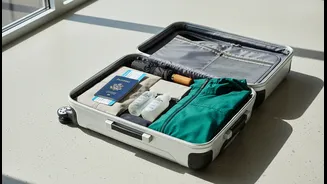
The golden rule for monsoon packing is to prioritise materials that dry quickly. Swap out your cottons and denims for synthetic blends like polyester and nylon. These fabrics don't hold onto moisture, which is a blessing in the high humidity. A lightweight
waterproof jacket or poncho is non-negotiable. While an umbrella is useful, high winds can render it useless, making a good raincoat a more reliable choice. Your footwear choice is critical; avoid shoes that retain water. Opt for rubber sandals, waterproof floaters with good grip, or quick-dry sneakers to navigate slippery paths and waterlogged streets comfortably. Don't forget a waterproof cover for your backpack and smaller dry bags or zip-lock pouches for electronics, documents, and cash to protect them from unexpected downpours.
Choose Your Destination Wisely
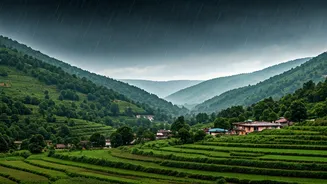
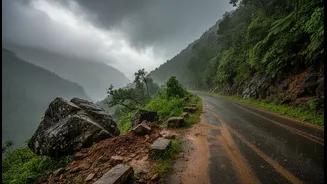
Not all destinations are created equal during the monsoon. While the rains make hill stations like Munnar and Coorg breathtakingly beautiful, they also increase the risk of landslides in some regions. It's crucial to check weather forecasts and local advisories before booking and travelling. Areas like the Himalayan foothills, including destinations such as Shimla and Manali, can be prone to landslides and road blockages during heavy rains. Conversely, regions like Ladakh, which fall in a rain shadow area, are perfect for this season. The coasts can be tricky; while some find the off-season solitude in places like Goa appealing, the sea is often too rough for swimming and many beach shacks are closed. Choose destinations with a mix of indoor and outdoor attractions so a rainy day doesn't ruin your plans.
Prioritise Health and Hygiene
The monsoon season brings a higher risk of waterborne and mosquito-borne diseases. Mosquitoes are abundant, so carrying and using an effective insect repellent is essential to protect against illnesses like dengue and malaria. Wearing long-sleeved shirts and trousers can also provide a physical barrier. Be cautious about what you eat and drink. Avoid street food, especially items that are raw or have been sitting out. Stick to bottled or purified water and opt for freshly cooked, hot meals to minimise the risk of stomach infections. It's also wise to carry a basic first-aid kit with medications for common ailments like fever, stomach upset, and any personal prescriptions.
Build Flexibility Into Your Itinerary
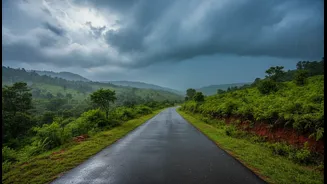
Monsoon travel demands a flexible mindset. Unpredictable weather can lead to sudden transport disruptions, from impassable roads to delayed flights and trains. A rigidly planned schedule is a recipe for stress. Instead, build buffer days into your itinerary—at least one extra day per week of travel is a good rule of thumb. This allows you to accommodate for delays without missing out on key parts of your trip. Before setting out for the day, check with your hotel about local road conditions and any weather warnings. Being prepared to change your plans and embrace a slower pace is key to enjoying your journey.
Secure the Right Travel Insurance
While not mandatory for visiting India, travel insurance is highly recommended, especially during the monsoon. The unpredictable nature of the season, with risks of floods and landslides, means that trip cancellations or interruptions are a real possibility. A comprehensive travel insurance plan can protect your financial investment by covering non-refundable expenses for flights and hotels if your trip is cancelled for a covered reason. Furthermore, look for a policy that includes emergency medical treatment and medical evacuation, as healthcare facilities can be limited in more remote areas. This ensures you can get the care you need without facing exorbitant out-of-pocket costs.