



The Ponytail Problem
Many of us know the struggle. You pull your hair back, hoping for a chic and voluminous look, but instead, you're met with a limp, thin-looking tail. Hair that is all one length can often look heavy and triangular when pulled back, concentrating all the visual
weight at the ends. This can result in what some call the "tadpole tail"—a style that lacks movement and shape, with ends that can look stringy or uneven. The issue is often a lack of internal shape within the hair itself. Without layers, there's nothing to create dimension or lift, causing the hair to simply hang.
What Exactly Are Feathered Layers?
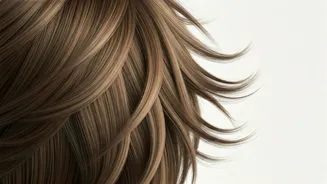
Before you can ask for them, it's helpful to know what feathered layers are. Popularised in the 1970s and making a major comeback, feathering is a haircutting technique where the stylist cuts the hair in a way that creates soft, wispy ends that resemble the texture of a feather. Unlike heavy, blunt layers that create distinct, choppy lines, feathering is designed to blend seamlessly and create a softer, more fluid look. The technique involves tapering the ends, which helps to remove bulk, add texture, and encourage natural movement in the hair.
The Feathered Solution for a Fuller Ponytail
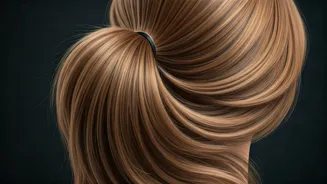
So, how does this haircut technique translate to a better ponytail? It's all about strategic volume and shape. Feathered layers work by distributing the hair's weight, which prevents the ponytail from looking bottom-heavy. The shorter, lighter pieces within the layers create natural lift at the crown and throughout the tail itself, giving the illusion of more hair. When you pull your hair up, these varied lengths work together to add dimension and bounce. The soft, tapered ends prevent the ponytail from looking severe or stringy, instead creating a fuller, more romantic silhouette. The result is a ponytail that has life, movement, and a professionally styled appearance with minimal effort.
Is This Cut Right for Your Hair Type?
Feathered layers are remarkably versatile and can be adapted for most hair types. For those with fine hair, light feathering can create the illusion of fullness and body without sacrificing too much density at the ends. It's a great way to add volume without making hair appear thinner. If you have thick or coarse hair, feathering is a game-changer for removing unwanted weight and preventing the dreaded "pyramid" shape, allowing your hair to move more freely. For straight hair, it adds much-needed texture and movement. On wavy or curly hair, feathering enhances the natural pattern, giving curls more space to bounce and form beautifully.
How to Ask Your Stylist for Feathered Layers
To ensure you get the look you want, communication with your stylist is key. Instead of just asking for "layers," be specific. Use terms like "soft, blended layers" or "wispy, feathered ends." It's always a good idea to bring reference photos to show your stylist exactly what you have in mind. Explain that your goal is to add movement and volume, particularly for when you wear your hair in a ponytail. A good stylist can then tailor the feathering technique to suit your hair type and face shape, ensuring the layers start at a flattering point and blend seamlessly.
Styling Your Feathered Ponytail at Home
Once you have the cut, styling your ponytail to maximize its potential is simple. When gathering your hair, use your fingers instead of a brush to maintain a softer, more textured look. Don't be afraid to gently pull out a few face-framing pieces to soften the style. A texturizing spray or a light-hold mousse applied before you tie your hair back can also enhance the layers and add extra grip and volume. For an even fuller look, you can try the tiered ponytail trick: create a small ponytail with the top half of your hair, then gather the remaining bottom half into a second ponytail just below it. The top tail will fall over the bottom one, creating an illusion of incredible thickness and length.