


The Great Himalayan Shield
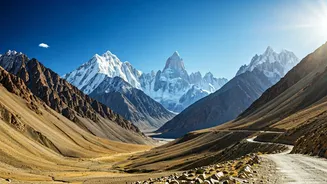
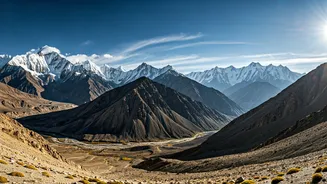
The magic behind Ladakh's dry monsoon season isn't magic at all, but spectacular geography. The region is tucked away in a 'rain shadow'. As moisture-laden monsoon clouds travel north from the Indian Ocean, they are blocked by the mighty Pir Panjal and
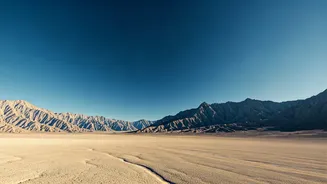
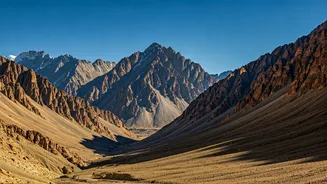
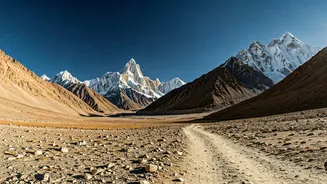
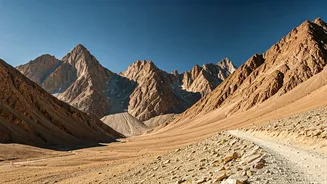
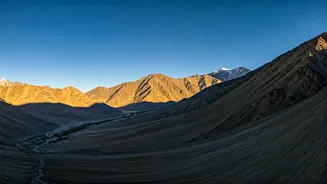
Great Himalayan ranges. Forced to ascend, these clouds cool and release all their rain and snow on the southern slopes, in places like Himachal Pradesh and Uttarakhand. By the time the winds cross these towering peaks—some of the highest in the world—they have lost all their moisture. These dry winds then descend upon the Ladakh plateau, resulting in clear blue skies and sunny days, while the rest of the subcontinent experiences heavy rainfall. This phenomenon effectively turns Ladakh into a high-altitude cold desert, receiving only about 100 mm of annual precipitation, making it one of the driest inhabited places in the country.
A Desert in Full Bloom
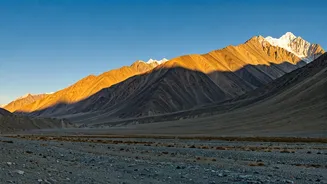
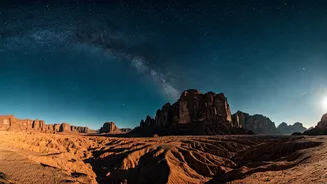
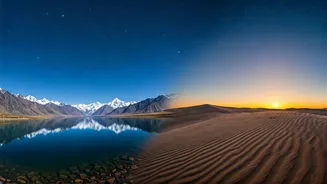
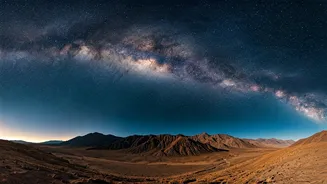
Dry doesn't mean barren or dull. In fact, the summer months (June to August) are when Ladakh is at its most vibrant. The scant winter snow has melted, feeding the Indus and Zanskar rivers. The valleys, particularly Nubra and those around the Suru River, come alive with patches of green barley fields and wildflowers, creating a stunning contrast against the stark, multi-hued mountains. Temperatures are wonderfully pleasant. In Leh, the capital, daytime temperatures typically hover between 20°C and 30°C, perfect for sightseeing and outdoor activities. Nights are cool and crisp, ideal for stargazing in the famously clear skies, unpolluted by city lights or clouds. This is a world away from the humid, sticky weather that defines the monsoon elsewhere.
Your Perfect Monsoon Escape Plan
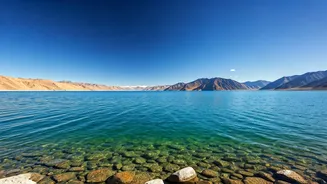
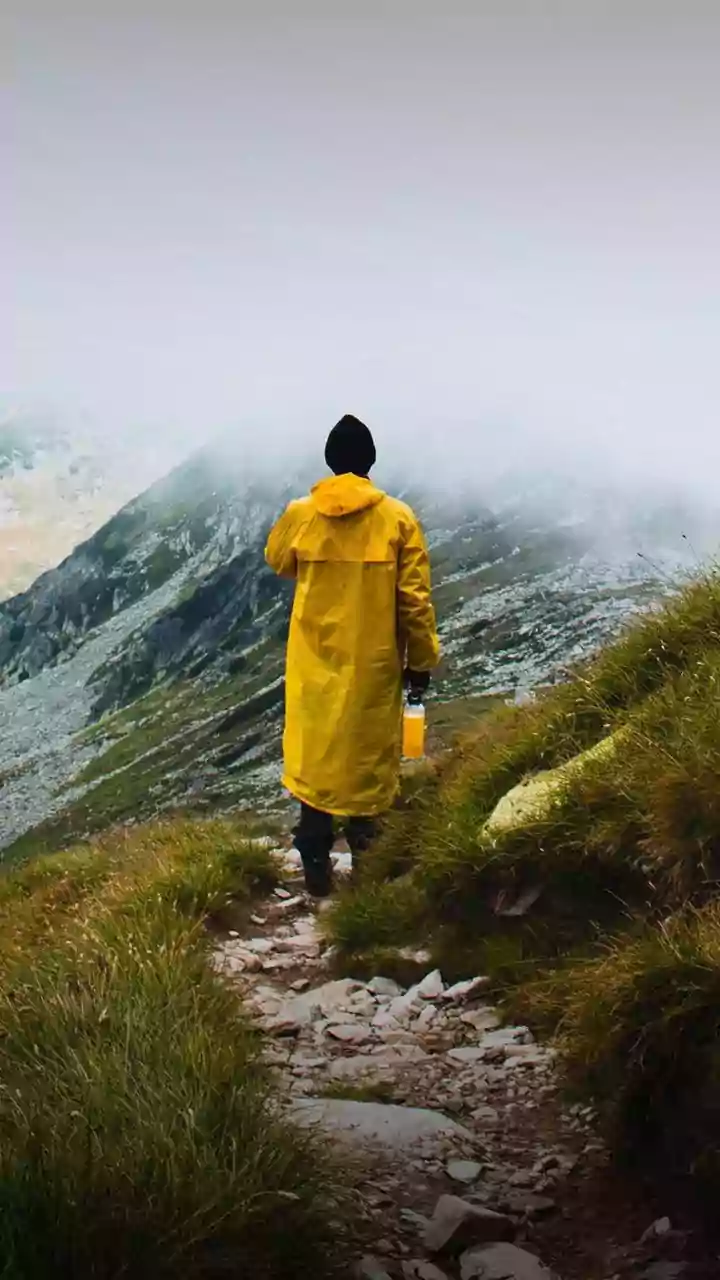
With perfect weather comes the perfect opportunity for adventure. The monsoon season is peak tourist season in Ladakh for good reason. The high-mountain passes like Khardung La and Chang La are generally open and accessible, allowing for iconic road trips to Nubra Valley and Pangong Tso. The surreal, colour-changing lake of Pangong is at its most spectacular under the summer sun. Trekkers flock here during this period to explore routes like the Markha Valley trek or the trek from Spituk to Stok, which are unsafe during the harsh winter. It’s also a time of cultural vibrancy. Many of the region's most important monastic festivals, or 'gustors', are held during the summer. The Hemis festival, one of the biggest and most famous, usually takes place in June or July, offering a mesmerising display of traditional masked dances, music, and rituals at the Hemis Monastery.
Practical Tips for Your Trip
Planning a trip to Ladakh during these months requires some preparation. The most crucial factor is acclimatisation. Since you'll be flying into Leh at an altitude of over 11,500 feet, it's essential to rest for at least 48 hours upon arrival to let your body adjust to the thin air. Drink plenty of water and avoid strenuous activity for the first couple of days. For packing, think in layers. You'll need light clothes for sunny afternoons, but also a warm jacket, fleece, and a woollen cap for the chilly evenings and high passes. Sun protection is non-negotiable; the high-altitude sun is intense, so pack high-SPF sunscreen, sunglasses, and a wide-brimmed hat. While roads from Srinagar and Manali are usually open, always check for the latest conditions as landslides can occasionally cause temporary closures on the approach routes, though the main Ladakhi region remains unaffected by rain.