

A Land Reborn in Green
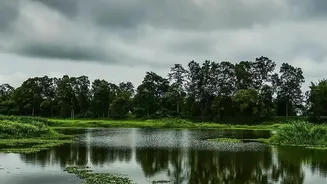
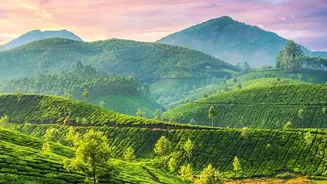
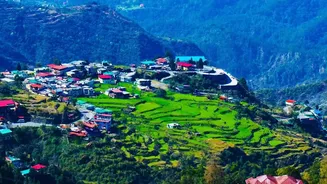
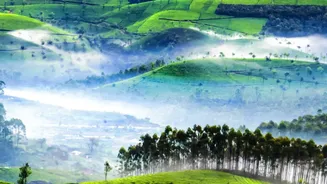
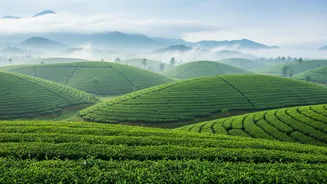
The most immediate and arresting reason to visit Assam during the monsoon is the landscape itself. From June to September, the rains breathe life into every corner of the state. The sprawling tea gardens, for which Assam is world-famous, transform into a shimmering,
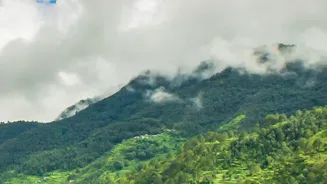
emerald-green carpet under the soft light of the overcast sky. The rain washes away the dust of the dry season, leaving behind a world that feels fresh, clean, and intensely alive. For photographers and nature lovers, this period offers a spectacle of misty hills, swollen rivers, and a shade of green so vibrant it has to be seen to be believed. The air is thick with the scent of wet earth and blooming flora, creating a truly immersive natural experience.
The Spiritual Magnet of Ambubachi Mela
A significant driver of monsoon tourism is the Ambubachi Mela, a massive annual gathering at the Kamakhya Temple in Guwahati. Held in June, this unique festival celebrates the yearly menstruation of the goddess Kamakhya, a powerful symbol of fertility and creative force. The event attracts thousands of pilgrims, sadhus, and spiritual seekers from across India and the world, transforming Guwahati into a spiritual epicentre. For travellers interested in culture and spirituality, witnessing this festival offers a profound insight into ancient Tantric traditions and the deep-rooted faith of the region. The festival's timing squarely in the monsoon season has made it an anchor for many travellers' rainy season itineraries.
The Practical Perks of the Off-Season
Beyond the scenic and spiritual, there are practical advantages to travelling during what is traditionally considered the 'off-season'. With fewer tourists, popular spots are less crowded, offering a more serene and personal experience. This translates to quieter visits to temples, more peaceful strolls through villages, and an unhurried exploration of the state’s attractions. Furthermore, the lower demand often results in better deals on flights and accommodations, making a trip to Assam more budget-friendly. For savvy travellers, the monsoon provides an opportunity to experience the best of Assam without the peak-season rush or price tag.
Rethinking the Wildlife Experience
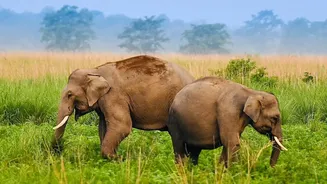
While it's true that major parts of Kaziranga and Manas National Parks close during the monsoon due to flooding from the Brahmaputra River, the wildlife story doesn't end there. Travellers are discovering alternative wildlife experiences. Some parks, like Dibru-Saikhowa National Park, which is a biosphere reserve, remain open and offer a different kind of charm during the rains, with boat safaris on the swollen wetlands. Even near the closed parks, the lush vegetation brings many animals to the fringes, and it's not uncommon to spot wildlife from the main roads. This shift encourages a deeper appreciation for the ecosystem beyond the iconic one-horned rhino safari, focusing on the birds and the vibrant, water-rich habitats.
Embracing the Romance of the Rain
Finally, an increasing number of travellers are simply embracing the romantic notion of a monsoon getaway. There's a unique pleasure in watching the rain from the verandah of a tea garden bungalow, sipping a hot cup of Assam tea. It’s a time for quiet reflection, reading a book, and disconnecting from the frantic pace of city life. The weather encourages a slower, more mindful kind of travel. Destinations like the hill station of Haflong or the world's largest river island, Majuli, become exceptionally mystical, shrouded in mist and tranquility. This atmospheric charm is something you can only experience during the rains, turning a potential travel hurdle into the main attraction.