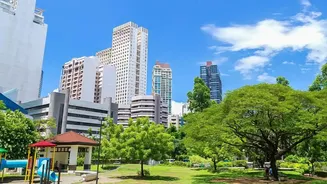

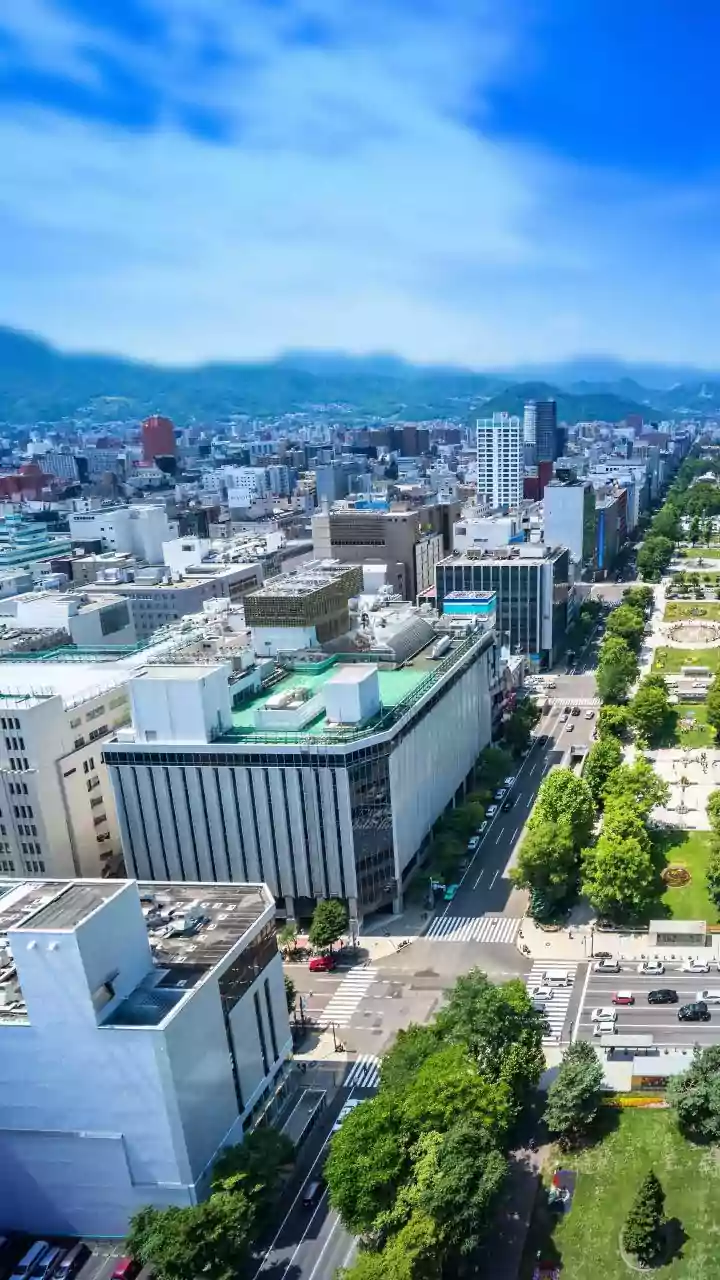





In the heart of bustling cities, urban parks offer much more than a patch of green. They are essential social infrastructure, serving as vibrant hubs where community health, social connections, and daily fitness naturally intertwine.
More Than Just Green Space
For generations, city
parks were seen as simple recreational areas or aesthetic additions to the urban landscape. Today, that perception is changing. Planners and communities now recognise parks as powerful, cost-effective tools for public health and social cohesion. In an era of increasing urban density and digital isolation, these public spaces provide a much-needed venue for face-to-face interaction, relaxation, and physical activity. They are the shared backyards for apartment dwellers, the meeting points for neighbours, and the outdoor classrooms for children, playing a crucial role in building a sense of community from the ground up.
A Prescription for Physical Health
The link between parks and physical fitness is clear and direct. Access to safe, free, and appealing outdoor spaces encourages people to move more. Well-maintained walking paths, jogging tracks, and open fields support activities like running, yoga, and team sports. In many Indian cities, parks have become central to a growing running culture, hosting clubs and community events that motivate people of all ages to stay active. Studies show that people who live closer to green spaces are more likely to engage in regular physical activity, which helps reduce the risk of cardiovascular disease, obesity, and other chronic conditions. Simply put, parks make it easier for everyone to build a consistent and enjoyable exercise routine.
A Sanctuary for Mental Wellbeing
Beyond physical exercise, urban parks are vital for mental and emotional health. Spending even a short amount of time in a natural setting has been shown to reduce stress, anxiety, and depression. The simple act of being around greenery and away from urban noise can lower cortisol levels, the body's primary stress hormone. Parks provide a space for mindfulness and quiet reflection, offering a mental reset from the pressures of city life. They also combat loneliness by fostering social connections, whether through chance encounters with neighbours or organised community activities. These informal social interactions create a sense of belonging and strengthen community bonds, which are critical for overall wellbeing.
Fostering True Social Inclusion
One of the most powerful functions of an urban park is its ability to be a great social equaliser. As free and open public spaces, they welcome people from all walks of life, regardless of age, income, or background. A well-designed park serves multiple generations at once: children on a playground, teenagers playing sports, adults attending a yoga class, and seniors enjoying a quiet walk. These shared experiences help break down social barriers and cultivate a sense of shared identity and mutual respect. By providing a common ground for diverse populations to mingle, parks become crucibles of community life where informal interactions can build surprisingly strong social fabric.
Designing Parks for Everyone
For a park to be truly inclusive, its design must be intentional. This goes beyond simply being open to the public; it means actively accommodating the needs of all potential users. This includes features like wheelchair-accessible pathways, tactile paving for the visually impaired, ample seating for the elderly, and safe, enclosed play areas for young children. Thoughtful planning also involves ensuring parks are well-lit, feel safe, and offer amenities that cater to a wide range of interests and abilities. When communities are involved in the design process, the result is a space that reflects local culture and fosters a deep sense of ownership and pride among residents.