


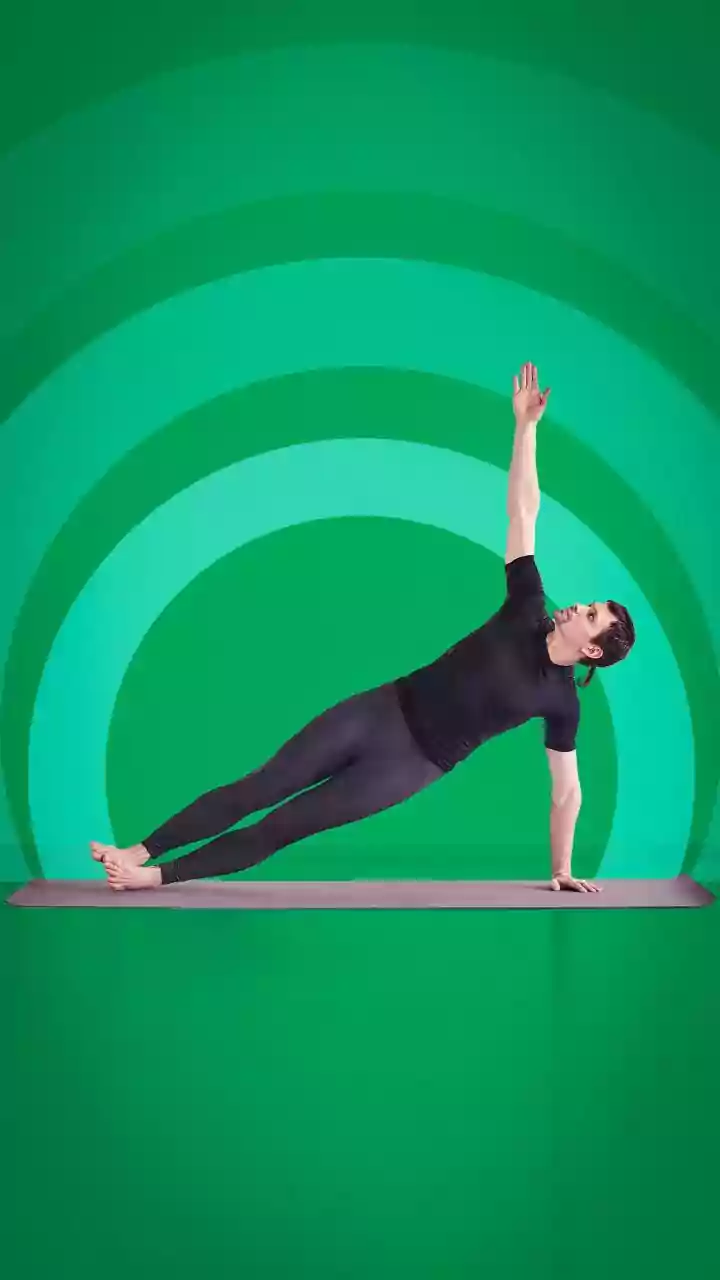



The Benefits of a Simple Twist
The standing torso twist is more than just a simple stretch; it's a dynamic movement that offers a host of benefits, especially for those who spend long hours sitting. By incorporating this exercise into your routine, you can improve spinal mobility,
which is crucial for maintaining good posture and reducing stiffness as an age. Gentle twists help to hydrate the discs between your vertebrae and can counteract the compressive effects of a sedentary lifestyle. This movement also activates and strengthens your core muscles, particularly the obliques, which are essential for stabilizing your spine during everyday activities like reaching or lifting. Regular practice can relieve muscular tension in the back, shoulders, and hips, providing a feeling of release and making breathing feel easier and calmer.
How to Perform a Gentle Standing Twist
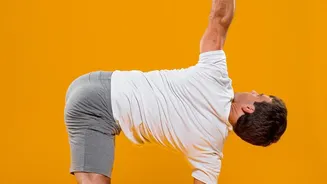
Proper form is key to unlocking the benefits of the torso twist without risking injury. Follow these steps for a safe and effective rotation. 1. Start with a Stable Base: Stand with your feet about shoulder-width apart and your knees slightly bent, in a 'soft' or athletic stance. This stable foundation is crucial to protect your joints. 2. Position Your Arms: Raise your arms to your sides, bending your elbows at a 90-degree angle. Alternatively, you can cross them over your chest or extend them straight out in front of you. 3. Engage Your Core: Before you begin to twist, gently brace your abdominal muscles. Imagine drawing your belly button toward your spine to support your lower back. 4. Initiate the Twist: Slowly and smoothly rotate your upper body to one side. The movement should come from your mid-back (thoracic spine), not your lower back or hips. Keep your head and neck aligned with your torso as you turn. 5. Allow Your Feet to Pivot: As you twist to the right, allow your left heel to lift slightly and your foot to pivot. As you twist to the left, your right heel will lift. This prevents torque on your knees. 6. Breathe Through the Movement: Inhale as you lengthen your spine and exhale as you deepen into the twist. Never hold your breath. 7. Return to Centre: Move with control as you rotate back to the starting position, and then repeat on the other side.
Common Mistakes to Avoid
To get the most out of your torso twists and prevent strain, be mindful of these common errors: - Twisting From the Lower Back: The lumbar spine has a very limited range of rotation (about 5-10 degrees), while the mid-back is designed for it. Forcing a twist from your lower back can lead to pain or injury. Focus on rotating from the chest and rib cage area. - Keeping Hips and Knees Rigid: Failing to pivot your feet can place unnecessary strain on your knee joints. Let your lower body move naturally with the twist. - Using Momentum: Avoid whipping your body from side to side. A fast, uncontrolled movement uses momentum rather than muscle engagement and increases the risk of injury. The goal is a slow, deliberate rotation. - Forcing the Range of Motion: Only twist as far as is comfortable. Pushing past your natural range can strain muscles and joints. The goal is a feel a gentle stretch, not pain.
Variations for Every Fitness Level
The standing torso twist can be easily modified to suit your needs and comfort level. For Beginners or Those with Balance Concerns: A seated twist is a great alternative. Sit tall on a chair with your feet flat on the floor. Place your hand on the outside of the opposite knee and gently pull to initiate the twist, keeping your hips stable. For a Deeper Stretch: To gently increase the range of motion, you can hold a light broomstick or dowel across your shoulders. This helps keep your arms stable and encourages the rotation to come from your spine. For Added Core Work: To challenge your stability and strength, use a resistance band. Anchor the band at chest height and stand sideways to it. Hold the band with both hands in front of your chest and rotate your torso away from the anchor point, keeping your arms straight and hips square.