




Understanding the Enemy: Moisture
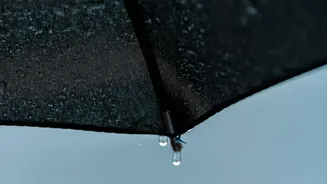
Paper and water are natural adversaries. A little moisture can cause ink to bleed, pages to warp, and binding to fall apart. In a worst-case scenario, water damage can render a passport or visa completely invalid, leading to a travel nightmare. The threat
isn't just from full submersion, like dropping your bag in a river; high humidity, sweat, unexpected rain, and condensation from a cold bottle in your backpack all pose a significant risk to the integrity of your documents. This is why simply hoping for the best is not a strategy. A proactive approach to waterproofing is a small step that prevents a massive headache.
The Gold Standard: How Dry Bags Work
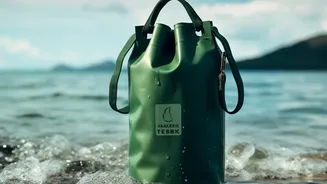
A true dry bag is designed to be fully waterproof, not just water-resistant. The magic lies in two key features: the material and the closure system. These bags are typically made from robust, non-porous materials like PVC, vinyl, or coated nylon, which physically block water from seeping through. The most critical element is the roll-top closure. By folding the top edge of the bag over on itself at least three times and then clipping the ends together, you create a powerful, watertight seal. This mechanism is far more effective than a standard zipper, which can let water in through its teeth and seams. Many dry bags also feature welded seams instead of stitched ones, eliminating tiny holes where water could penetrate.
Choosing the Right Dry Bag for Documents
You don't need a massive 50-litre bag designed for kayaking to protect your passport. For travel documents, small, lightweight dry bags or 'dry sacks' are ideal. Look for pouches that are just large enough to hold your passport, tickets, and some currency. These can be easily slipped into a larger backpack or purse. Pay attention to the material; polyurethane-coated fabrics are often lighter and more flexible than their heavier PVC counterparts, making them perfect for packing. While a dedicated dry bag is an investment, the peace of mind it offers is invaluable, ensuring your essentials are protected no matter the weather.
The Budget Hack: Upgrading Your Ziplock Bag
For a quick and affordable solution, many travellers turn to the humble ziplock bag. While better than nothing, a standard sandwich bag is thin and its seal can easily fail under pressure or with repeated use. To make this hack more effective, upgrade to a heavy-duty freezer-grade bag. These are made from thicker plastic and have a more robust closure. For an extra layer of defence, especially in humid climates, toss in a small silica gel packet (the kind found in new shoes or electronics boxes) to absorb any ambient moisture that gets trapped inside. This simple combination provides a surprising amount of protection against spills and light rain.
The Double-Up: Combining Methods for Max Security
For the truly cautious traveller, or for those heading into extremely wet conditions, the best approach is to double up your protection. Place your documents inside a heavy-duty ziplock bag first, squeezing out as much air as possible before sealing it. Then, place that sealed bag inside your dedicated dry bag. This two-stage system provides redundancy. If the outer dry bag's seal is compromised or if you don't close it perfectly, the inner bag provides a second line of defence. This method is especially useful for protecting not just paper documents but also small electronics like a phone or a power bank.
Beyond Bags: Smart Travel Habits
Your strategy for protecting documents shouldn't end with a bag. Simple habits can make a huge difference. Always pack liquids in a separate compartment of your luggage from your important papers. Before you even leave home, make digital and physical copies of your passport, visas, and tickets. Store the digital copies securely in a cloud service and keep the physical copies in a separate bag from the originals. That way, if the worst happens and your primary documents are lost or destroyed, you have a backup that can help you get replacements from an embassy or consulate.