

The Green Wave in Urban Cafes
There’s a quiet revolution brewing in the cafes of Mumbai, Delhi, and Bengaluru. While coffee remains a beloved staple, the buzz is increasingly centred around two green powerhouses: matcha and moringa. What started as a niche wellness trend has now hit
the mainstream, with coffee chains and independent cafes alike expanding their menus to include these vibrant, nutrient-dense alternatives. This shift reflects a larger change in consumer behaviour, especially among millennials and Gen Z, who are prioritising health, wellness, and beverages that offer more than just a quick caffeine fix. They are seeking 'clean energy', functionality, and a story behind their drink, moving away from sugary, artificial options toward those perceived as more natural and beneficial.
Meet Matcha: The Mindful Energiser
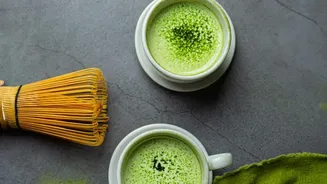
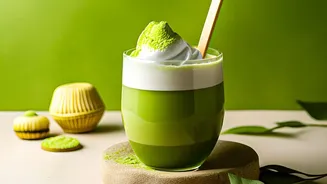
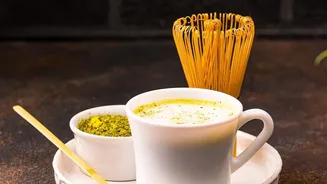
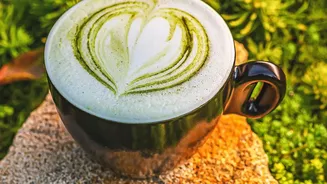
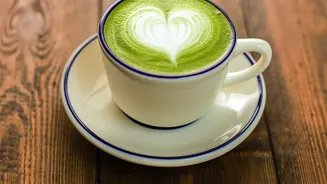
Matcha, a finely ground powder of specially grown and processed green tea leaves from Japan, is at the forefront of this trend. Unlike regular green tea, where leaves are steeped, with matcha you consume the entire leaf, resulting in a more concentrated dose of antioxidants and nutrients. Its primary appeal lies in the unique way it delivers energy. Matcha contains caffeine, but also an amino acid called L-theanine. This combination is known to promote a state of 'calm alertness', providing a sustained energy boost without the jitteriness or subsequent crash often associated with coffee. This has made it a favourite among those looking for focus and mindfulness in a cup. Cafes are now serving everything from traditional ceremonial matcha to inventive lattes with oat milk, vanilla, and even strawberry.
Moringa: The Local Superfood Star
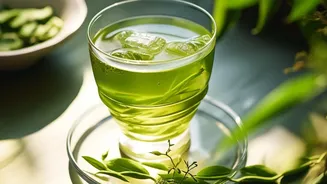
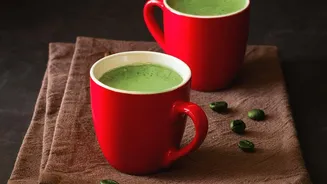
While matcha comes from Japan, moringa—often called the 'drumstick tree'—is a superfood with deep roots in India. Moringa leaf powder is celebrated for its incredible nutritional profile, packed with vitamins, minerals, and antioxidants. It is known to have anti-inflammatory properties and may help in maintaining healthy blood sugar and cholesterol levels. As a beverage, it has an earthy, slightly grassy taste that pairs well with lemon, ginger, or honey. Its caffeine-free nature makes it an excellent choice for those looking for a wellness boost at any time of day. The rising interest in moringa is part of a broader movement towards embracing indigenous ingredients and traditional Indian wellness practices, reframed for the modern consumer.
Why the Switch? Health, Hype, and Hashtags
Several factors are fuelling this green beverage boom. The post-pandemic era has seen a significant increase in health consciousness, with consumers actively seeking out functional foods and drinks that support immunity and overall well-being. Younger generations, in particular, are drawn to matcha's promise of energy without anxiety. But it’s not just about health; aesthetics play a huge role. The brilliant green hue of a matcha latte is undeniably Instagrammable, fitting perfectly into the visual culture of social media. The ritual of preparing matcha, whether at home or watching a barista whisk it, adds an element of mindful craftsmanship that appeals to a desire for slower, more intentional consumption habits. This combination of tangible benefits and cultural capital has proven irresistible.
Is This the End for Iced Coffee?
It’s highly unlikely that coffee will be dethroned anytime soon. Rather than a direct replacement, this trend signifies an expansion of choice. Urban consumers are becoming more discerning, building a 'beverage wardrobe' to suit different needs and moods. They might still enjoy their morning cold brew for a powerful kickstart, but opt for a matcha in the afternoon for sustained focus, or a moringa tea in the evening to wind down. This indicates a maturing palate and a more holistic approach to daily energy management. As the Indian matcha market is projected to grow significantly by 2030, it's clear these green brews are not just a fleeting fad but a lasting feature of the modern Indian cafe scene.