


From Textbooks to TikTok
Not long ago, learning about the early universe meant dense textbooks or specialized documentaries. Today, it’s served up in 60-second, algorithm-approved videos. This shift marks a dramatic change in science communication, breaking down old barriers
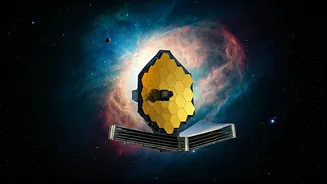
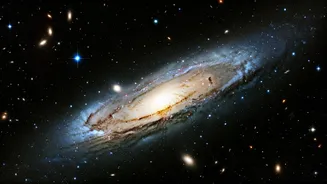
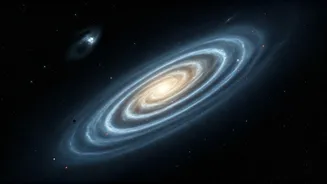
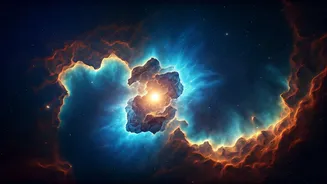
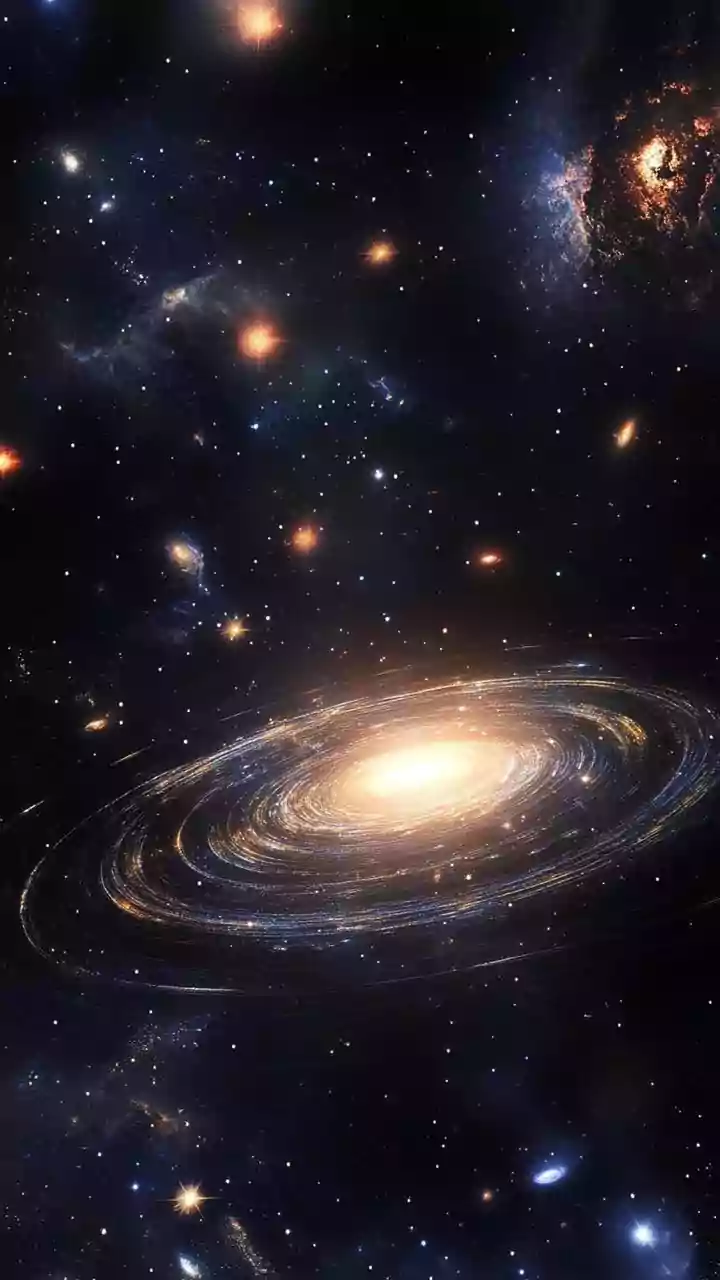
between academic knowledge and the general public. The catalyst for this trend was arguably the flood of breathtaking images from the James Webb Space Telescope (JWST). When NASA released the first pictures, they didn’t just appear on news sites; they exploded across Instagram, TikTok, and X (formerly Twitter), complete with memes, explainers, and viral reaction videos from ecstatic astrophysicists. Suddenly, topics like galaxy formation and cosmic nebulae were trending topics, sandwiched between pop culture commentary and daily life vlogs.
The New Wave of Science Communicators
This new ecosystem is powered by a diverse generation of science communicators. They are professional scientists, PhD students, and passionate amateurs who are fluent in both astrophysics and the language of social media. Creators on platforms like TikTok and Instagram are using trending audio, quick edits, and relatable analogies to make mind-bending concepts digestible. They might explain the cosmic dark ages while pointing to on-screen text or use a popular sound to illustrate the scale of the universe. This approach isn't just about sharing facts; it's about building a community and showing that scientists are relatable people. By sharing their passion, these influencers are breaking down the stereotype of the unapproachable academic and fostering genuine curiosity among a global, younger audience.
A Universe of Opportunity and Risk
The democratization of complex science is a massive opportunity to spark interest in a generation that is already digitally native. For many young people, a viral video might be their first meaningful encounter with concepts like dark matter or the epoch of reionization. However, this trend is not without its challenges. The very nature of social media, which prioritizes engagement and speed, can lead to oversimplification or, worse, the rapid spread of misinformation. There is a fine line between making science accessible and stripping it of crucial context. A viral video might incorrectly state that the JWST was the first to photograph an exoplanet, a mistake that can spread quickly and become accepted as fact. This puts a significant burden on creators to be accurate and on viewers to be discerning.
Is It Good for Science?
The central debate is whether this trend is ultimately a net positive. Critics worry that it rewards virality over credibility, creating a class of "science influencers" who may be skilled at crafting engaging content but lack deep understanding. On the other hand, many in the scientific community see immense value in meeting people where they are. The goal of a 60-second video isn't to create an expert on cosmology; it's to light a spark of curiosity that might lead someone to ask more questions, follow more science accounts, or even pursue a career in the field. By making science a part of everyday online culture, it becomes less intimidating and more a part of our collective human story. The engagement is a two-way street, allowing the public to ask questions and feel involved in the scientific process.