





Preparation Before You Wash
Proper care begins before your garment even touches water. First and foremost, always check the care label; it is your most reliable guide. If it says 'Dry Clean Only', trust it. For washable knits, it's wise to wash them less frequently than other clothes.
Wool has natural anti-bacterial and odour-resistant properties, so simply airing it out can often be enough to refresh it. Before washing, turn the garment inside out to protect the outer fibres from friction and reduce pilling. If there are any buttons or zippers, fasten them to prevent snagging. Address any stains immediately by spot-treating them with a gentle detergent. This pre-treatment can often save you from needing a full wash.
The Hand-Washing Method
Hand washing is the safest method for most wool and delicate knits. Fill a clean basin or sink with lukewarm or cool water, around 30°C. Hot water can cause irreversible shrinking and felting. Add a small amount of a pH-neutral, mild detergent specifically designed for wool, as regular detergents can be too harsh and strip the natural fibres. Baby shampoo can also be used as a gentle alternative. Submerge the garment and gently squeeze the water through it; avoid vigorous rubbing or twisting. Let it soak for about 10 minutes. To rinse, drain the soapy water and refill the basin with clean, cool water, gently pressing the suds out until the water runs clear.
Using The Washing Machine Safely
Many modern washing machines have reliable wool or delicate cycles that make machine washing a safe option for some garments—but always check the label first. If you do machine wash, use a cold water setting. For added protection, place the knit item inside a mesh laundry bag to prevent it from snagging or stretching. Select the 'wool' or 'delicate' cycle on your machine, which uses gentle agitation and a low spin speed (ideally 600 RPM or less). Use a mild, wool-safe liquid detergent. Powdered detergents should be fully dissolved before the cycle starts to avoid leaving residue. Remove the garment immediately after the cycle finishes to prevent wrinkles and distortion.
The Art of Drying and Storing
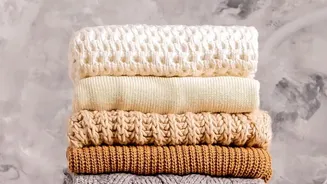
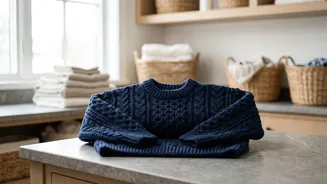
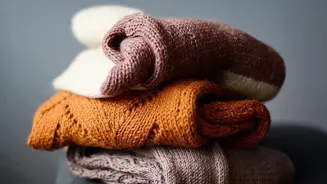
How you dry your knitted clothing is just as important as how you wash it. Never wring or twist a wet garment, as this will stretch and damage the fibres. Instead, gently squeeze out the excess water. A great technique is to lay the item flat on a clean, dry towel, roll them up together like a burrito, and press gently to absorb more moisture. Afterwards, unroll it and lay the garment flat on a fresh towel or a mesh drying rack, reshaping it to its original dimensions as it dries. Never hang a wet knit to dry, as the weight of the water will stretch it out of shape. Keep it away from direct sunlight or heat sources like radiators, which can cause damage or shrinking. For storage, fold your knits and keep them in a drawer or on a shelf rather than on hangers to prevent stretching.