



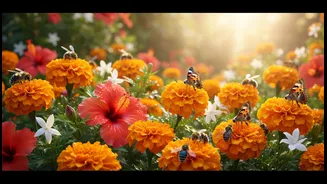


Why Our Cities Need Green Heroes
Urbanisation, with its expanding concrete and fragmented green spaces, poses a major threat to local wildlife. Natural habitats are shrinking, making it difficult for birds, bees, butterflies, and other essential creatures to move, feed, and survive.
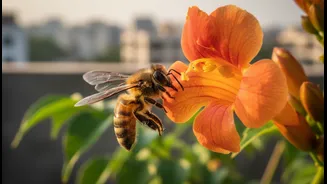
This disrupts local ecosystems, leading to a decline in biodiversity. Biodiversity isn't just about preserving charismatic species; it's about maintaining the delicate balance of our environment. Pollinators, for example, are responsible for a significant portion of the food we eat. When their populations decline, it affects everything from our food supply to the health of our parks and green belts. Our cities are becoming hotter, more polluted, and less hospitable for countless species, but every small green patch can be a part of the solution.
Your Balcony: A Vital Stepping Stone
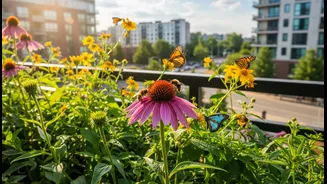
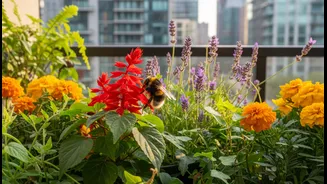
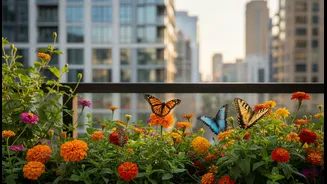
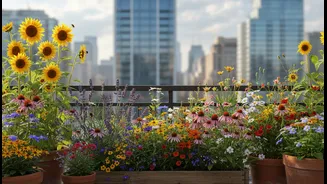
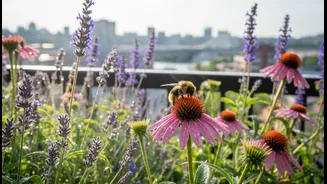
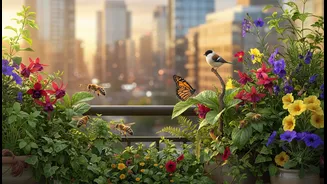
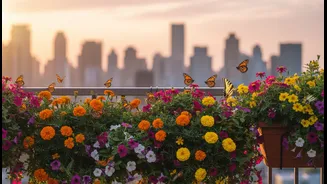
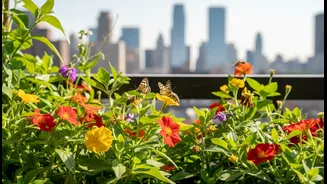
It’s easy to think a few pots on a balcony are too small to matter. However, research shows that multiple small green patches can sometimes support greater biodiversity than a few large, isolated parks. Think of your balcony as a crucial refuelling station or a safe resting spot for urban wildlife. For a butterfly travelling across a city, a collection of flowering plants on your balcony is a lifeline. When many households create these mini-oases, they form a network of ‘green corridors’ or ‘stepping stones’. These connected habitats allow wildlife to move safely across the urban landscape, connecting them to larger green spaces like parks and reserves, which strengthens the entire ecosystem. You don't need a sprawling lawn to make a difference; even a single window box can have an impact.
Planting for Pollinators
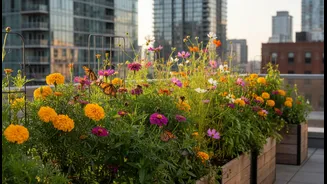
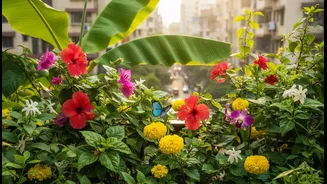
The key is to choose plants that offer resources like nectar, pollen, and shelter. While any greenery is good, native plants are the superstars of a biodiversity-friendly garden. They have co-evolved with local wildlife and are perfectly adapted to the Indian climate, meaning they often require less water and no pesticides. For an Indian balcony, consider easy-to-grow, high-impact choices. Marigolds (Genda) provide bright, nectar-rich blooms that attract bees and butterflies. Holy Basil (Tulsi) is not only sacred but its flowers are a magnet for beneficial insects. The Butterfly Pea vine (Aparajita) is a fast-growing climber that provides beautiful flowers for both pollinators and your evening tea. Other excellent choices for pots include Curry Leaf (Kadi Patta), Hibiscus (Gudhal), Lantana, and Jasmine, all of which provide food and shelter for a variety of local species.
Creating a Complete Habitat
Beyond just plants, a few simple additions can make your balcony even more inviting for wildlife. One of the most important things you can do is provide a source of water. A shallow dish filled with fresh water, with a few pebbles or marbles for insects to land on, can be a lifesaver on a hot day. It will attract birds and bees alike, turning your balcony into a popular neighbourhood hub. Equally important is what you don't do. Avoid chemical pesticides at all costs. These chemicals are indiscriminate, killing beneficial insects along with pests and harming the birds that might eat them. Embrace natural pest control methods instead. Finally, consider creating shelter. A dense shrub, a small stack of twigs in a corner, or even just leaving fallen leaves in your pots can provide a safe space for insects and other small creatures to rest and nest.