
Puttu and Kadala Curry
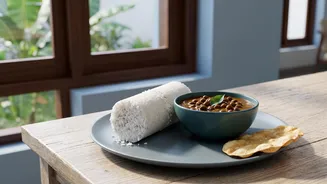
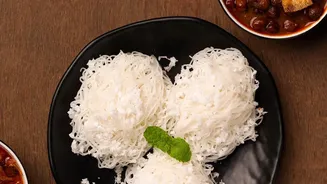
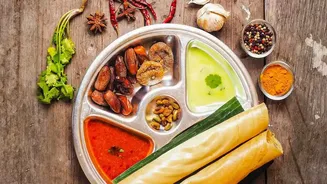
A quintessential Kerala breakfast, Puttu is a unique dish made of steamed cylinders of ground rice layered with fresh grated coconut. Cooked in a special mould called a 'puttu kutti', the result is a soft, crumbly rice cake with a subtle sweetness from
the coconut. It is most famously paired with Kadala Curry, a fragrant and spicy stew made from black chickpeas, coconut milk, and a blend of aromatic spices. This hearty combination is a staple in households across the state and offers a perfect start to the day.
Appam and Ishtu (Stew)
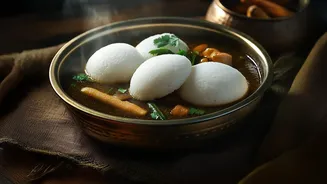
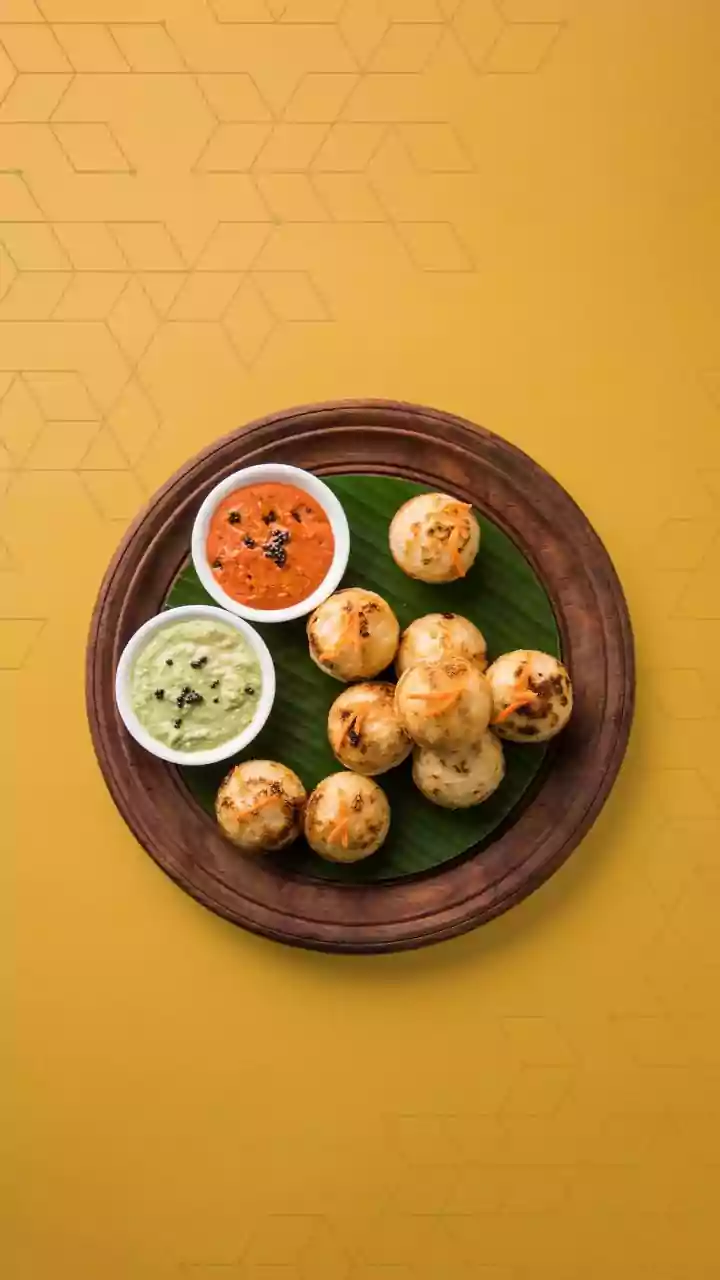
Appam, also known as a lace hopper, is a beautiful, bowl-shaped pancake made from a fermented batter of rice flour and coconut milk. The edges are exquisitely thin and crispy, while the centre remains soft and spongy, perfect for soaking up curries. It’s often paired with Ishtu, a mild and fragrant stew that shows the influence of European cuisine on the region. Whether made with vegetables, chicken, or mutton, the stew’s delicate flavour comes from coconut milk, ginger, green chillies, and whole spices like cinnamon and cloves.
Thalassery Biryani
Hailing from the Malabar region, Thalassery Biryani stands apart from its more famous Mughal counterparts. Instead of Basmati, it uses a unique, short-grain, aromatic rice called Kaima or Jeerakasala. The magic lies in its distinct masala and the 'dum' cooking process, where layers of spiced meat and partially cooked rice are sealed and slow-cooked together. This method allows the rice to absorb all the fragrant flavours of the masala, creating a moist and incredibly flavourful biryani that is a testament to the Arab trading influences on Malabar cuisine.
Karimeen Pollichathu
A true gem from the backwaters of Kerala, Karimeen Pollichathu is a dish that celebrates local ingredients. Karimeen, or pearl spot fish, is marinated in a fiery paste of spices like chilli, turmeric, and black pepper. The marinated fish is then lightly fried, smothered in a thick, onion-tomato masala, wrapped tightly in a banana leaf, and then grilled or pan-cooked. This process steams the fish in its own juices and the masala, while the banana leaf imparts a unique, smoky aroma, resulting in a tender and flavour-packed delicacy.
Erachi Ularthiyathu (Beef Fry)
This iconic dish, often found in Syrian Christian homes and roadside eateries, is a masterclass in slow cooking. Known as Erachi Ularthiyathu, this 'beef fry' involves slow-roasting tender chunks of beef with a heady mix of spices, curry leaves, and slivers of coconut until it is dark, fragrant, and almost dry. The key is the slow caramelisation process, which gives the beef a crispy exterior while remaining succulent inside. It’s a spicy, robust dish that pairs wonderfully with parottas, rice, or appam.
Chatti Pathiri
Resembling a savoury lasagna, Chatti Pathiri is a layered pastry from the Malabar Muslim community. It consists of thin, crepe-like pancakes made from a flour-based dough, which are layered with a filling. While sweet versions with egg and nuts exist, the savoury version is more common, often filled with a spiced meat mixture similar to that used in samosas. The layers are dipped in egg before being stacked and baked or pan-cooked, creating a rich and satisfying dish that is a staple during festivals like Ramadan.
Pazham Pori
No list of Kerala snacks is complete without Pazham Pori, or banana fritters. This beloved tea-time snack, also known as Ethakka Appam, is deceptively simple yet incredibly satisfying. It is made using ripe plantains (Nendran pazham), which are sliced, dipped in a lightly sweetened batter of flour and a pinch of turmeric for colour, and then deep-fried until golden and crispy. The result is a snack with a crunchy exterior that gives way to a soft, sweet, and almost molten banana centre. It's pure comfort food, especially enjoyed on a rainy day with a cup of hot chai.