






Beyond the Comfort of Spice
For generations, the perception of Indian food, both at home and abroad, has been dominated by a singular focus on 'spice,' often just a euphemism for chilli heat. But a new wave of chefs and diners are championing a more nuanced and complex palate. The
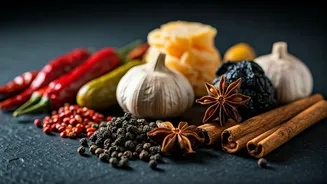
current trend is leaning into 'sharp' flavours—think the mouth-puckering tang of regional souring agents, the funky depth of fermented ingredients, and the savoury satisfaction of umami. This isn't about abandoning tradition; it's about rediscovering its depth. Indian cuisine has always contained these elements, from the sourness in tamarind-based curries to the fermented goodness of idli and dosa batter. What's new is the conscious, creative, and deliberate amplification of these tastes in contemporary restaurant settings.
The Fermentation Renaissance
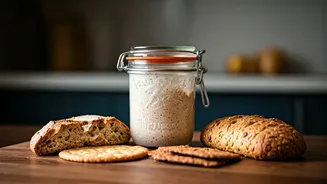
Fermentation, an ancient preservation technique, is making a major comeback in modern Indian kitchens. Once a practical necessity, it's now being celebrated as a way to create complex, gut-friendly, and intensely flavourful food. Chefs like Vanika Choudhary of Noon in Mumbai and the team at Bengaluru-based fermentary Kōbo are at the forefront, exploring everything from house-made vinegars to fermented berries and vegetables. This 'fermentation movement' is re-introducing diners to traditional ferments like kanji, a drink made from black carrots, and axone, a pungent fermented soybean delicacy from Nagaland. These ingredients add a layer of complexity—a funky, savoury depth—that simple spices cannot replicate.
A Celebration of Sour
Sourness is an integral part of India's culinary DNA, but it's now being explored with unprecedented creativity. Chefs are moving beyond the holy trinity of tamarind, lemon, and tomato to spotlight a vast array of regional souring agents. Ingredients like kokum (Indian mangosteen), ambula (dried raw mango), and kachampuli (a dark vinegar from Coorg) are finding their way into everything from coastal curries to innovative cocktails. This isn't just about adding a tangy note; it's about showcasing the incredible biodiversity of the subcontinent. Each souring agent brings its own unique profile, from the gentle floral tang of some fruits to the sharp, acidic punch of others, providing a balance to rich and fatty dishes.
India's 'Umami' Awakening
Umami, the fifth taste known for its pleasant savoury or 'meaty' flavour, has always been present in Indian food, even if it wasn't called by that name. It's the comforting depth in a slow-cooked dal, the richness of a tomato-based gravy, and the complex flavour of aged pickles. Today, chefs are consciously working to identify and amplify these natural sources of umami. Ingredients rich in glutamates—such as mushrooms, ripe tomatoes, fermented products like dosa batter, and even browned onions and garlic—are being used to build deeper, more satisfying flavour profiles. The rise of fermentation, particularly with ingredients like axone from the Northeast, has also brought a powerful umami punch to the forefront of modern Indian dining.
Why Now? The Shift in Indian Palates
This culinary shift is driven by several factors. Indian diners are more exposed to global food trends than ever before, yet simultaneously more interested in their own regional culinary heritage. There's a growing curiosity about the stories behind food and a desire for authenticity that goes beyond generic 'North Indian' or 'South Indian' labels. Food delivery apps have also made hyper-regional cuisines more accessible, exposing urban palates to dishes from Nagaland, Kerala, and Rajasthan. This has empowered chefs to move away from repetitive, crowd-pleasing menus and present dishes that are bold, regionally specific, and unapologetically complex.