




An Ancient Breakfast Reimagined
Known by many names—including Pazhaya Soru or Panta Bhat—this dish is fundamentally simple: leftover cooked rice soaked in water and left to ferment overnight, traditionally in an earthen pot. For generations, it was the breakfast of farmers and laborers
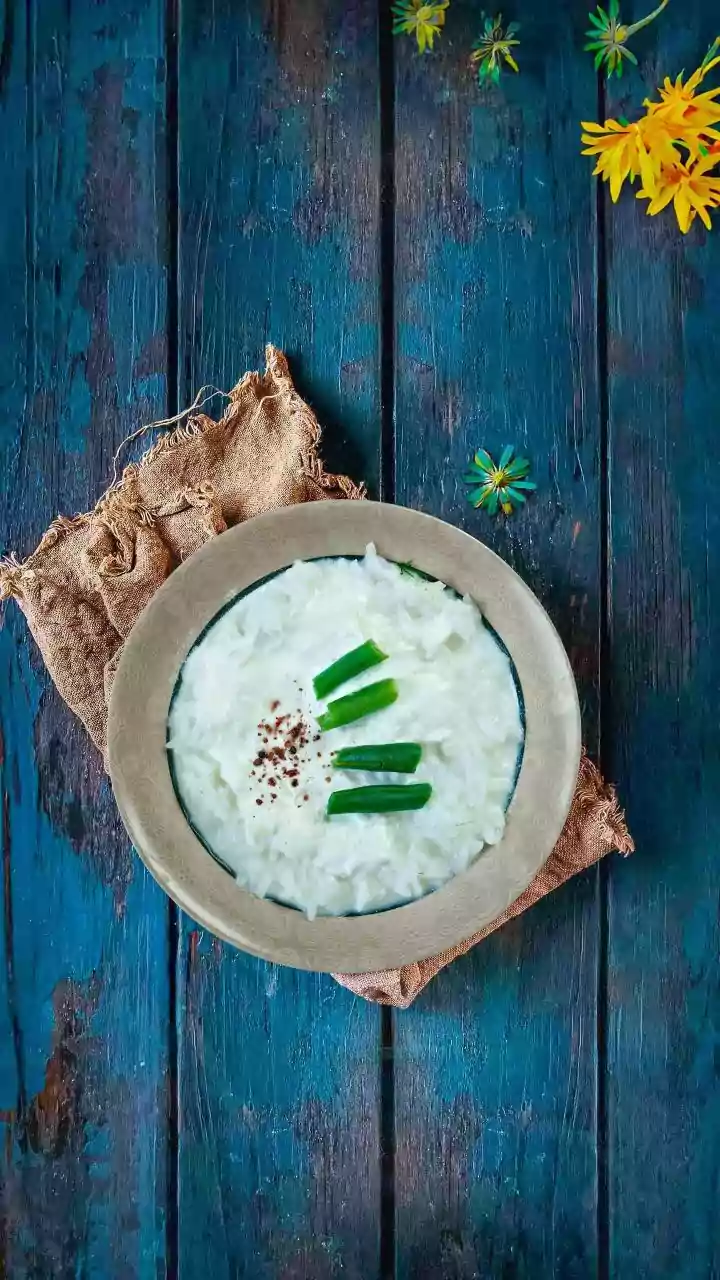
in South India and other parts of Asia, providing a cooling, hydrating, and energy-sustaining meal before a long day of work in the hot sun. What began as a frugal way to preserve food and prevent waste is now being recognized for its significant nutritional properties, transforming it from a 'poor man's gruel' into a celebrated superfood. Typically, it's served mashed with buttermilk or yogurt, salt, and flavorful additions like chopped shallots, green chilies, and pickles.
The Science of Simple Fermentation
The magic of Pazhanthanji lies in its overnight fermentation. This natural process encourages the growth of beneficial lactic acid bacteria, turning the simple rice and water into a probiotic powerhouse. These probiotics are essential for a healthy gut microbiome, which plays a crucial role in everything from digestion to immunity. Research has shown that this fermentation process dramatically increases the bioavailability of key nutrients. For example, a study by Government Stanley Medical College and Hospital found that fermentation can increase iron absorption by breaking down phytic acid, an anti-nutrient that normally inhibits it. The same study noted significant increases in dietary fiber, resistant starch, protein, and B-complex vitamins, particularly B6 and B12.
From Humble Meal to Fitness Fuel
The very benefits that sustained farmers for centuries are now attracting fitness enthusiasts. The focus on gut health in modern wellness is a major driver; a healthy gut is critical for efficient nutrient absorption, which is key for muscle repair and growth. The probiotics in fermented rice can help reduce inflammation and improve digestive issues like bloating and constipation. Furthermore, it provides sustained energy. As a low-fat, high-fiber meal, it keeps you feeling full without feeling heavy. The presence of resistant starch helps stabilize blood sugar levels, preventing the energy spikes and crashes associated with simpler carbs. It also serves as a natural hydrator, making it an excellent post-workout recovery meal or a refreshing start to the day.
Getting a Taste of Tradition
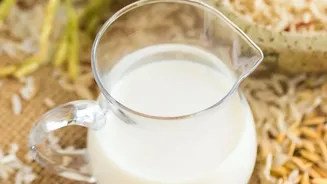
For those new to fermented foods, the flavor profile of Pazhanthanji can be a unique experience—it’s typically slightly tangy and savory. Making it at home is incredibly simple. Just submerge leftover, completely cooled cooked rice in water, cover, and let it sit at room temperature overnight. In the morning, you can mash it slightly and mix in yogurt or buttermilk, salt, and your choice of savory additions. While shallots and chilies are traditional, you can adapt it to your palate. The water from the fermented rice, known as 'neeragaram', is also rich in probiotics and can be drunk on its own as a hydrating, nutrient-rich beverage. It’s a versatile dish that embodies a return to simple, whole-food-based nutrition that feels both timeless and perfectly suited for today’s wellness goals.