







The Post-Monsoon Advantage
October is a transitional month that provides a 'Goldilocks' climate for many plants—not too hot, not too cold. After the heavy monsoon, the soil is often moist but has a chance to dry out, making it loose and easy to work with. This improved aeration
helps roots breathe and establish themselves quickly. The combination of warm soil from the preceding summer and cooler nights encourages robust seed germination. Furthermore, the lower humidity and reduced rainfall typical of October in many regions mean a lower risk of the fungal diseases and pest infestations that are common during the wet season. This period marks the start of the 'Rabi' or post-monsoon sowing season, setting the stage for a garden that will flourish through the winter.
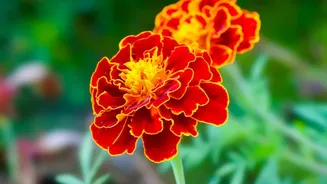
Radiant Marigolds for Festive Blooms
For generations, October has been the traditional month for planting marigolds ('genda') in Indian households. There is both cultural and practical wisdom behind this. Sowing marigold seeds in September or October ensures they will be in full bloom just in time for major festivals like Dussehra and Diwali, when their vibrant orange and yellow hues are in high demand for garlands and decorations. Marigolds thrive in the cooler, milder temperatures of winter, producing larger and brighter flowers than in the harsh summer. They are relatively easy to grow and flower quickly, often within 45 to 60 days of sowing. To plant them, choose a spot with plenty of sunlight. Sow the seeds directly into well-drained soil or start them in nursery beds for transplanting later. They are not just beautiful but also act as a natural pest deterrent, protecting other plants in your garden.
Colourful Chrysanthemums for Winter Cheer
Chrysanthemums, or 'Guldaudi', are classic autumn flowers that bring a splash of colour to gardens as winter approaches. These plants are known as 'short-day' plants, meaning they require longer periods of darkness to trigger budding and flowering. The decreasing daylight hours of autumn make October an ideal time to plant them. Planting cuttings or young plants now allows them to develop a strong root system before they channel their energy into producing blooms. They generally prefer cool weather, with ideal temperatures ranging from 15°C to 25°C. For best results, plant them in well-drained loamy soil in a sunny spot. Pinching the tips of the plant about four weeks after planting will encourage bushier growth and more flowers. With proper care, chrysanthemums planted in autumn will reward you with a spectacular display throughout the winter months.
Nutrient-Rich Spinach for the Kitchen Garden
Spinach ('Palak') is a cool-season leafy green that is perfectly suited for an October planting. In fact, for many parts of India, the best sowing time for the winter crop is from September to October. The mild temperatures are ideal for seed germination and prevent the plant from 'bolting'—flowering prematurely due to heat stress, which can turn the leaves bitter. While some varieties can be grown year-round with care, the October to February period is considered perfect for growing leafy greens like spinach. It grows quickly, and the first harvest of leaves can often be ready in as little as 30 days. For a continuous supply, you can sow a new batch every couple of weeks. Plant the seeds directly into well-drained soil rich in organic matter, about 3-4 cm deep. Ensure they receive sun to partial shade, and you will have fresh, iron-rich greens for your kitchen all winter.