




Beyond the Mango Jar
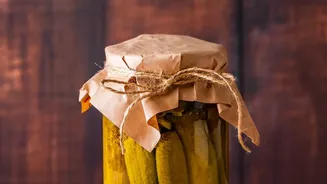
Walk down any supermarket aisle, and you'll find shelves dominated by a handful of commercial pickle varieties. Mango, mixed vegetable, and lime are the undisputed kings, their taste standardised for a mass palate. While delicious, their ubiquity has
overshadowed hundreds of hyper-local pickling traditions. This convenience has come at a cost. The slow, seasonal art of pickle-making—a tradition that captured the essence of a region's produce and climate—is becoming a fading memory. What we are losing is not just flavour, but a vibrant culinary inheritance that connects us to specific landscapes and histories.
Flavours From the Fringes
The sheer diversity of what India pickles is staggering. In Rajasthan, the arid landscape provides hardy ingredients like the 'ker' berry and 'sangri' bean, which are transformed into a tangy, slightly bitter pickle that is a local delicacy. Head to the Himalayas, and you'll find 'lingri' or fiddlehead ferns, wild-harvested for a few short weeks in spring, pickled in mustard oil to create a crunchy, earthy treat that tastes of the mountains. The Northeast offers its own unique profiles, from fermented bamboo shoots to the famously fiery Bhut Jolokia (ghost pepper) pickle, which delivers a wave of intense heat and flavour unlike anything else. Even common ingredients are given unique twists, like the 'Ramkela' mango pickle from North India, which uses a specific variety of mango prized for its firm texture that doesn't turn mushy.
A Disappearing Inheritance
For generations, pickle recipes were not written down; they were an oral tradition passed from grandmothers to mothers to daughters. Each family had its own subtle variation—a secret spice blend, a particular sun-drying technique—that made their 'achar' unique. This knowledge was tied to the seasons, using what was abundant and preserving it for the leaner months. However, as lifestyles have changed, this chain of knowledge is breaking. The time-consuming process of sourcing, preparing, and maturing pickles is a luxury many can't afford. The result is a slow erosion of culinary diversity, with many unique pickles now only found in the homes of older generations or small, artisanal businesses fighting to keep the craft alive.
A Jar of Culture and Health
These forgotten pickles offer more than just new tastes; they are packed with benefits often lost in commercial production. Traditionally fermented pickles are rich in probiotics, which are excellent for gut health. They use a host of spices like turmeric, fenugreek, and cumin, which have antioxidant and digestive properties. Ingredients like amla (Indian gooseberry) and lemons provide a significant boost of Vitamin C, helping to bolster immunity. By using local, seasonal produce, these pickles also represent a more sustainable way of eating that is deeply connected to the environment. They are, in essence, a capsule of regional culture, flavour, and wellness.
Finding the Forgotten Flavours
Bringing these pickles back to our dining tables is about making a conscious choice to look beyond the mainstream. It means exploring local markets, seeking out home chefs, and supporting small businesses that are championing these regional treasures. Today, many online stores and community-driven initiatives are making it easier than ever to discover pickles like Rajasthani Dela-Tenti (a caperberry pickle) or the complex sweet-sour-spicy ginger pickle from Andhra Pradesh. By seeking them out, we not only treat our taste buds to new and exciting experiences but also help preserve a vital part of India’s culinary heritage.