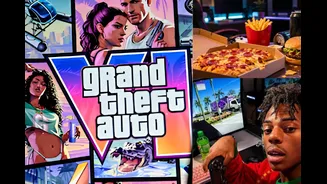



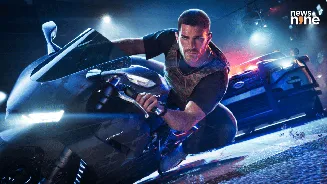
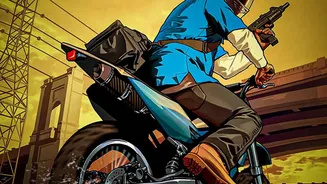
The historic launch of Grand Theft Auto VI on November 19 was not just a victory for developer Rockstar Games; it was a massive, unexpected boon for an entirely different industry: food delivery. Here’s how a video game broke the internet and why.
An Unprecedented Entertainment Launch
The
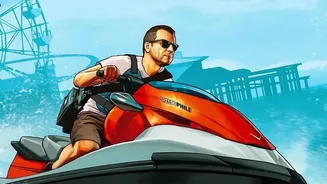
release of Grand Theft Auto VI was more than just a successful video game launch; it was the largest entertainment debut in history. Parent company Take-Two Interactive announced staggering day-one retail sales of approximately $3.79 billion from over 32.5 million units sold, eclipsing the records of blockbuster films and its own predecessors. The game's launch on November 19, after more than a decade of anticipation, created a cultural black hole, pulling in the attention of millions. More than half of all PlayStation 5 and Xbox Series X/S players engaged with the game on its release day, with average play times stretching to over eight hours. This immense, captive audience, unwilling to pause their digital crime sprees, set the stage for a massive ripple effect across the service economy.
A Boom for Takeout and Delivery
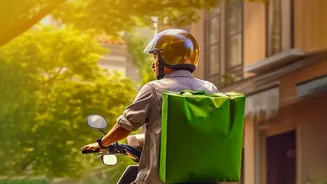
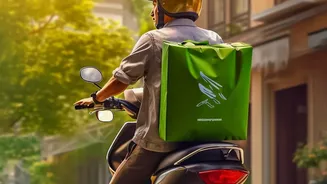
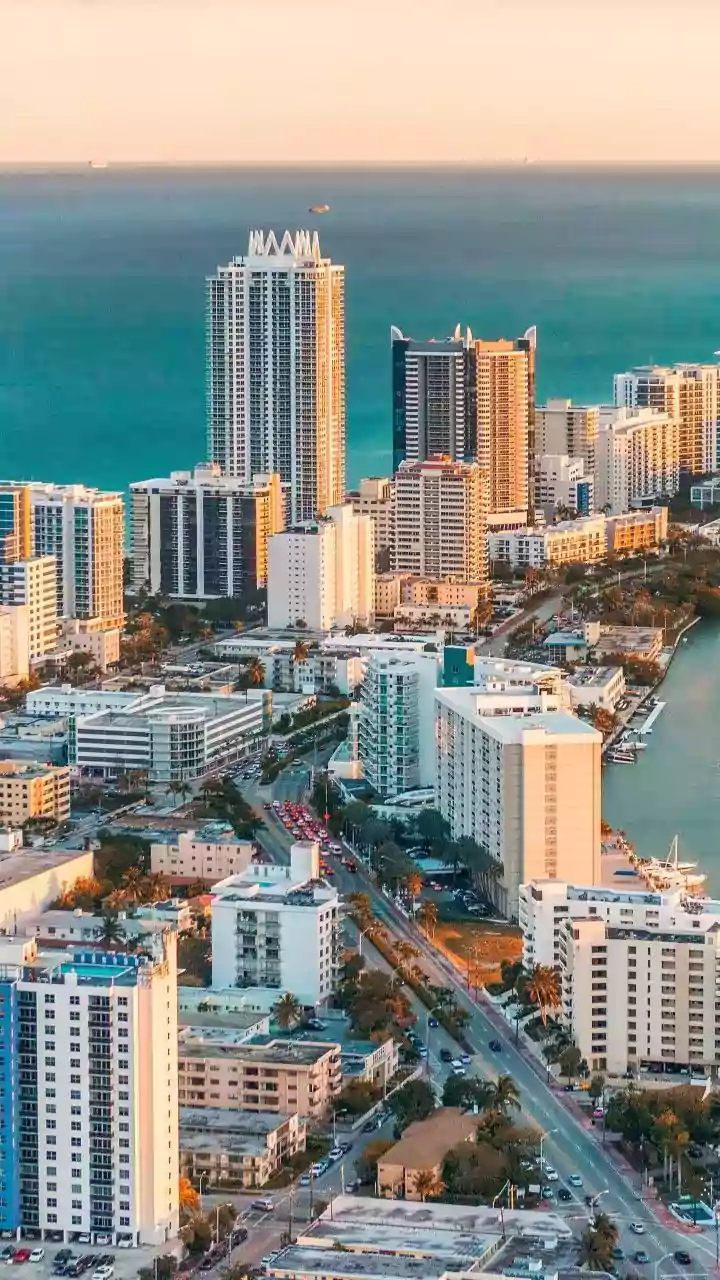
As millions of players settled in for marathon sessions, they outsourced their meals. Food delivery platforms like DoorDash and Uber Eats reported a significant spike in orders. DoorDash noted that on the night of the launch, orders for classic gaming fuel like pizza, burgers, chips, and fries each jumped by more than 10 percent. Energy drink orders climbed by 20 percent. Uber Eats saw even more dramatic increases in specific items, with orders for Red Bull Watermelon soaring 95% and Totino's Pizza Rolls up 54%. The surge was particularly concentrated in key urban areas, with late-night orders in Miami—the real-world inspiration for the game's Vice City—climbing over 30% on Uber Eats compared to previous weeks. Analytics firm Sensor Tower forecasted the game could drive more than 50 million extra visits to restaurant and delivery apps in its first month.
More Than Just Pizza and Soda
The delivery boom wasn't limited to food. In a sign of last-minute preparations, DoorDash reported a staggering 450% increase in orders for gaming controllers and a 440% jump for HDMI cables on launch night compared to a typical Wednesday. This suggests that for many, the release was an all-encompassing event that required not just sustenance but also new hardware, all delivered to their door to minimize downtime. Gina Igwe, a DoorDash marketing VP, called the launch a 'cultural moment', noting that the platform's goal was to help fans get whatever they needed—be it the game itself, a new controller, or snacks—to make the most of the experience. This highlights a strategic shift where delivery apps are positioning themselves as general-purpose logistics networks for major cultural events.
Restaurants and Drivers Ride the Wave
The surge represented a massive opportunity for both restaurants and gig workers. Many fast-food chains leaned into the moment with promotions. Popeyes released a limited-time 'Spice City Sandwich' as a nod to the game, while Uber Eats ran deals on 'one-handed' foods like McDonald's McNuggets and Burger King's Whopper Jr. For delivery drivers, the increased order volume meant higher potential earnings. However, such a concentrated demand spike also served as a stress test for the platforms, with the potential for longer restaurant wait times and logistical hurdles. The event demonstrated the deep, symbiotic relationship between digital entertainment and the physical world of food service, as payroll processor Gusto even noted a 9% increase in paid-time-off requests for the game's launch day.
The New Economics of Blockbuster Games
The GTA VI launch serves as a powerful case study in the new economics of entertainment. A blockbuster video game is no longer a self-contained product; it's an economic engine with predictable, widespread ripple effects. The 'couch traffic' from millions of dedicated players creates a downstream windfall for industries that cater to convenience. This phenomenon shows that the $81 billion AAA games market is a powerful force that can reshape consumer behavior on a national scale, at least for a weekend. For businesses, the lesson is clear: the next time a cultural mega-launch happens, the biggest winners might not be the ones selling the ticket, but the ones delivering the popcorn.