






From Desk Chair to a System Shock
Going from zero to one hundred is a commendable goal, but your body sees it as a sudden crisis. Years spent in a relatively static, sedentary state condition your muscles, heart, and metabolic systems for low-intensity living. When you suddenly plunge
into High-Intensity Interval Training (HIIT), you're demanding an explosive output your body isn't prepared for. This isn't just about feeling out of breath. The abrupt switch places immense stress on your cardiovascular system, joints, and muscles. Intense workouts cause significant sweating, which is your body's cooling mechanism. For a system unaccustomed to this level of exertion, the rapid loss of fluid and essential minerals can quickly lead to problems that go far beyond simple thirst. This initial phase is where the risk of injury, burnout, and metabolic disruption is highest.
The Myth of ‘Just Drink Water’
We’ve all been told to drink more water, but during intense exercise, water alone is only half the story. When you sweat profusely, you don't just lose water; you lose critical minerals called electrolytes. The most important of these are sodium, potassium, and magnesium. These minerals are the unsung heroes of your workout, carrying the electrical charges necessary for nerve impulses, muscle contractions, and maintaining a steady heartbeat. Sodium and potassium work together to regulate fluid balance and nerve signalling, while magnesium is involved in over 300 bodily reactions, including energy production and muscle relaxation. Gulping down plain water can dilute the remaining electrolytes in your system, potentially making the imbalance worse and hindering your performance and recovery.
Listening to Your Body's Warning Signs
An electrolyte imbalance isn’t always dramatic. The initial signs can be subtle, but ignoring them can lead to serious issues. The most common red flag for new gym-goers is muscle cramping or weakness, which occurs when muscles don't have the minerals needed to contract and relax properly. You might also experience persistent fatigue that a good night's sleep can't fix, dizziness, or headaches. In more serious cases, an imbalance can lead to confusion, nausea, and even an irregular heartbeat or palpitations as your heart muscle struggles to function correctly. Learning to recognize these symptoms isn't about being paranoid; it’s about being an informed participant in your own fitness journey, knowing when to pause and refuel correctly.
A Practical Mineral Hydration Strategy
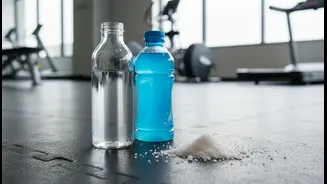
Mineral hydration simply means replenishing both water and the electrolytes lost through sweat. For a sedentary worker starting HIIT, this requires a conscious strategy. Don't wait until you're thirsty—by then, you're already dehydrated. Start hydrating a couple of hours before your workout. During your session, especially if it’s longer than 30-45 minutes or very intense, sip on a beverage containing electrolytes. This doesn’t have to be a sugary commercial sports drink. Electrolyte powders mixed with water or even a simple homemade solution can work well. After your workout, focus on rehydration to aid muscle recovery. For every pound of weight lost during a session, you should aim to drink 2.5 to 3 cups of fluid. Incorporating mineral-rich foods like bananas (potassium), nuts (magnesium), and a balanced meal with a little salt (sodium) will also help restore your levels naturally.
Why Guidance Is Your Best Gear
The “coaching” aspect is crucial because there is no one-size-fits-all answer to hydration. Your needs depend on your body size, sweat rate, diet, and the intensity of your workouts. A qualified trainer or a sports nutritionist can help you move beyond generic advice. They can help you assess your personal needs and build a sustainable plan. This guidance isn't just about what to drink; it's about progressing your exercise intensity safely, ensuring proper form to prevent injury, and creating a holistic plan that includes nutrition and recovery. For someone new to intense fitness, this professional oversight is the most important piece of gear you can have, ensuring your newfound enthusiasm builds a foundation for long-term health, rather than leading to a setback.