




The Allure of 'Natural' Skincare
In a world of complex ingredient lists, turning to your kitchen for skincare solutions feels simple and pure. Fruit peels, in particular, seem like a brilliant hack. They are packed with beneficial compounds and using them means less waste. The logic
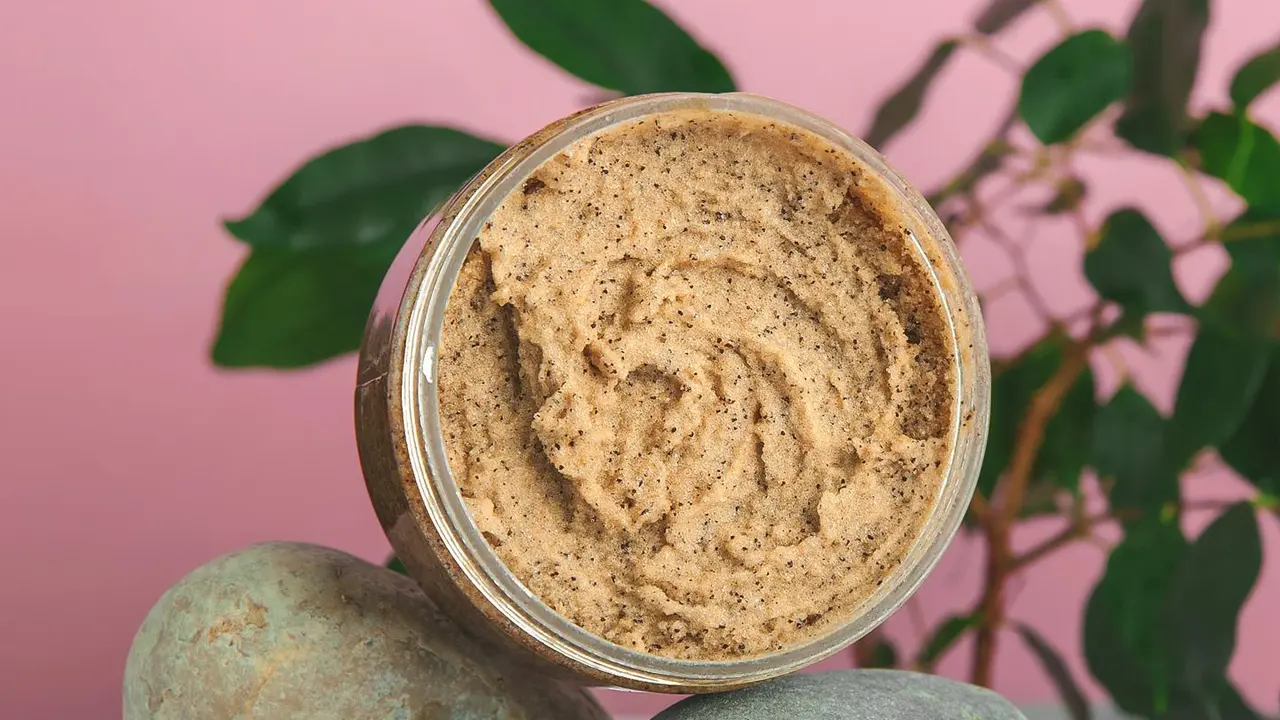
appears sound: if it's healthy to eat, it must be good for your skin. This has led to countless online tutorials promoting homemade scrubs made from orange, lemon, or even papaya peels, promising brighter, smoother skin without the cost of commercial products. The problem is that 'natural' does not always mean 'safe' or 'gentle', and the skin on your face is far more delicate than you might think.
The Hidden Risks in Fruit Peels
Fruit peels contain two main things that can cause trouble: acids and rough physical particles. Many fruits, especially citrus, are rich in alpha-hydroxy acids (AHAs) like citric acid. While AHAs are fantastic exfoliants used in professional skincare, the concentration in a raw peel is uncontrolled. This can disrupt your skin's pH balance, leading to irritation, redness, and even chemical burns. Furthermore, some fruit acids make your skin 'photosensitive', increasing your risk of sun damage and hyperpigmentation. The physical texture of the peel itself is also a problem. Dried or ground-up peels have sharp, jagged edges that cause microscopic tears in the skin. This physical damage weakens your skin's protective barrier, leaving it open to inflammation and infection.
Why Winter Makes Everything Worse
Cold weather is already tough on your skin. The combination of low humidity outdoors and dry indoor heating strips your skin of its natural moisture, weakening its protective barrier. This barrier is a crucial layer of oils and cells that keeps moisture in and irritants out. When it's compromised, your skin becomes dehydrated and more susceptible to irritation from things that might not normally bother it. Introducing an aggressive DIY fruit peel scrub into this environment is like scrubbing a raw, sensitive surface with sandpaper. The micro-tears and unpredictable acid levels can severely aggravate already stressed winter skin, leading to painful redness, flaking, and chronic dryness.
What Dermatologists Say About Exfoliation
Exfoliating in winter is not a bad idea; in fact, it can be very beneficial. Gently removing the buildup of dead, dry cells allows your moisturisers to penetrate more effectively and keep your skin hydrated. However, the method is key. Most dermatologists advise against harsh physical scrubs, especially during winter when skin is more sensitive. Instead, they often recommend gentle chemical exfoliants. These products use carefully formulated acids—like lactic acid, glycol acid, or fruit enzymes—at safe concentrations to dissolve the bonds between dead skin cells without abrasive scrubbing. This provides a more even and controlled exfoliation that respects the skin's fragile barrier.
Safer Alternatives for a Winter Glow
If you want to keep your skin smooth and radiant through the colder months, it's best to shelve the DIY fruit scrubs. Instead, look for gentle, well-formulated products. A soft washcloth used with a creamy cleanser can provide very mild physical exfoliation without causing damage. For a chemical approach, seek out serums or masks containing low-strength AHAs like lactic acid (which is also hydrating) or enzyme-based exfoliants from papaya and pineapple, which are known for being gentle. Always limit exfoliation to one or two times a week, and pay close attention to how your skin responds. If it feels tight, red, or irritated, give it a break and focus on hydration. Applying a rich moisturiser immediately after exfoliating on damp skin is crucial for locking in moisture.