


The New Oldies Phenomenon
It’s a scene playing out in venues worldwide: a crowd, largely under the age of 30, singing every word to a song released decades before they were born. This isn't just a case of kids raiding their parents' music collections. It's a full-blown cultural
shift. Whether it was Kate Bush's "Running Up That Hill" finding new life through the TV series Stranger Things or Fleetwood Mac's "Dreams" becoming a viral sensation on TikTok, classic songs are charting again. This trend extends beyond fluke viral moments. Research shows a consistent rise in nostalgic music listening across all age groups, with younger listeners increasingly driving the consumption of catalogue music—tracks older than 18 months. The result is a music landscape where old and new coexist, often in the same playlists and on the same concert stages.
The TikTok Time Machine
A major catalyst for this revival is social media, particularly TikTok. The platform's algorithm has become a powerful engine for music rediscovery, plucking songs from obscurity and reintroducing them to millions. A short video clip can decouple a song from its original era, turning a 40-year-old track into a fresh, viral sound. This happened with Nathan Apodaca’s viral video featuring Fleetwood Mac, which pushed their 1977 hit "Dreams" back onto the Billboard charts. The platform gives older tracks and new releases the same opportunity to connect with audiences, allowing legacy artists to find a new generation of fans. This digital exposure often translates into real-world interest, from increased streams on platforms like Spotify to a renewed appreciation for the artists themselves.
More Than Just Nostalgia
While nostalgia is a powerful force, the appeal for younger listeners often goes deeper. For a generation that never experienced these eras firsthand, this music isn't about looking back—it's about discovery. Many are drawn to what they perceive as the authenticity and craftsmanship of older music. In an age of digitally produced loops and algorithm-friendly song structures, the sound of live instrumentation, dynamic arrangements, and raw emotional lyrics can feel refreshingly human. Some analysts argue that as modern music production becomes more uniform, listeners are seeking out the variety and adventurousness that characterized past decades. This has also fueled a renewed interest in physical media like vinyl and cassettes, with younger consumers embracing the tangible culture surrounding the music.
Live Music Bridges the Gap
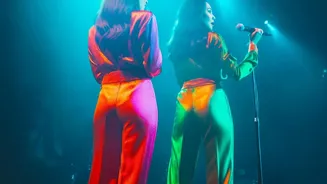
The trend is vividly apparent in live music. Legacy acts who might have once played to an aging fanbase are now finding their crowds peppered with enthusiastic young fans. At the same time, contemporary artists are increasingly incorporating classic covers into their sets, paying homage to their influences and connecting with audiences through shared favorites. Seeing a current pop star like Chappell Roan powerfully cover Heart's "Barracuda" or Green Day tear through a version of The Ramones' "Blitzkrieg Bop" creates a bridge between generations. These performances aren't just filler; they are celebratory moments that reinvent classic songs for a new era. For promoters and labels, this trend is also a sound business strategy, leveraging the proven appeal of a beloved song catalogue for a guaranteed connection.