



The Monastery Route: Shimla to Spiti Valley, Himachal Pradesh
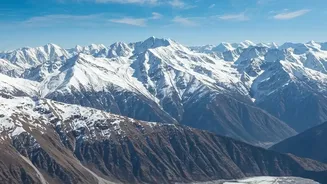
Known as a 'world within a world', Spiti Valley in winter is a formidable yet rewarding challenge. The road from Shimla via the Kinnaur valley is the only accessible route during these months, as the Manali-Kaza highway shuts down. The drive itself is an adventure,
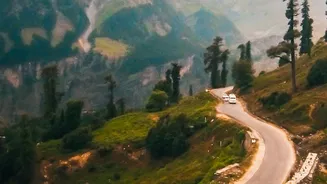
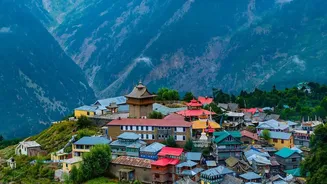
with the Indo-Tibet Highway carved into rock faces along the Sutlej river. Drivers should be experienced with navigating icy patches and hairpin bends, especially on the stretch towards Nako and Kaza. The cultural payoff is immense. Winter is when Spiti's raw beauty and Tibetan Buddhist culture are most profound. With fewer tourists, you can experience ancient monasteries like Key, Tabo, and Dhankar in serene solitude. Engaging with locals in homestays offers an authentic glimpse into their resilient lifestyle, sharing stories and traditional meals by a Bukhari (heater). This journey is for those who appreciate quiet contemplation and stark, beautiful landscapes.
The Historic Silk Route: Gangtok to Zuluk, Sikkim
For a journey back in time, the Old Silk Route circuit in East Sikkim offers a blend of dramatic roads and rich history. The highlight is the drive to Zuluk, a small village that was once a transit point for traders on the ancient route to Tibet. The road features 32 breathtaking hairpin bends, best viewed from Thambi View Point at sunrise. This route is a protected area, so travel must be arranged through a registered local operator who will secure the necessary permits. Winter blankets the higher reaches like Nathang Valley, often called the 'Tibet of Sikkim', in snow, offering stunning vistas of the Kanchenjunga range. Culturally, the experience is rooted in staying at local homestays, as Zuluk has no hotels. This provides an intimate connection with the families whose ancestors served the mule caravans that once plied this trade route, offering a unique window into the region's past and present.
The Spiritual Ascent: Tezpur to Tawang, Arunachal Pradesh
The drive to Tawang in Arunachal Pradesh is a spiritual and scenic pilgrimage. Situated at over 10,000 feet, the journey is as significant as the destination itself, particularly the ascent through the snow-covered Sela Pass, which sits at 13,700 feet. The pass is the only gateway to Tawang and offers surreal views of the frozen Sela Lake. The region is home to the Monpa tribe, and the drive provides opportunities to experience their unique culture. Tawang's cultural heart is the Tawang Monastery, the largest in India and a vital centre for Tibetan Buddhism. Winter offers a chance to see it enveloped in snow, a truly tranquil sight. Beyond the monastery, you can visit the Urgelling Gompa, the birthplace of the 6th Dalai Lama, and the Tawang War Memorial, which commemorates soldiers of the 1962 Indo-China War. Attending a winter festival like Torgya can offer deeper cultural immersion.
The Valley of Shepherds: Pahalgam to Aru Valley, Kashmir
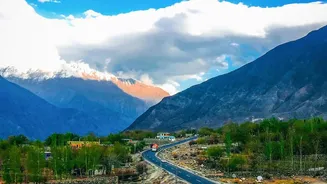
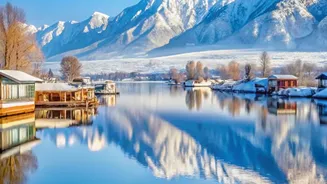
For a gentler but equally enchanting winter experience, the short drive from Pahalgam to Aru Valley in Jammu and Kashmir is perfect. The 12-km road winds alongside the Lidder River through dense pine forests, opening into a wide, serene meadow. While heavy snow can temporarily close the road, it is generally accessible and offers a peaceful escape from the more crowded tourist spots. Aru Valley, a base for famous treks like Tarsar Marsar in the summer, transforms into a quiet, snow-covered haven in winter. It's an ideal spot for those looking to experience the quiet beauty of Kashmiri village life. You can take pony rides through the meadows, interact with the local villagers, and enjoy the pristine landscape. Accommodation is mostly in modest guesthouses and homestays, providing a warm and authentic cultural exchange. This drive is less about high-altitude thrills and more about soaking in the tranquil, pastoral beauty of Kashmir in winter.
Tips for a Safe Winter Drive
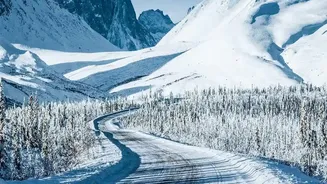
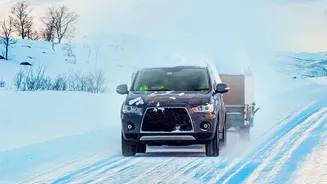
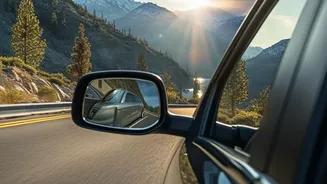
Winter mountain driving demands respect and preparation. Before you go, ensure your vehicle is in top condition, checking tyres, brakes, battery, and all fluid levels like coolant and engine oil. Using lower gears for both ascent and descent helps maintain control and saves your brakes. Be vigilant for black ice, which often forms in shaded areas, and avoid sudden braking or steering if you hit a patch. Always carry essentials like warm clothing, a first-aid kit, a torch, and some snacks. Most importantly, drive slowly, keep a safe distance from other vehicles, and honk on blind turns. Check weather forecasts and road status before and during your trip, and always be prepared for unexpected delays.