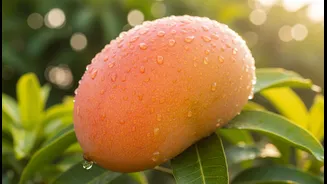








An Orchard Unlike Any Other
Mango tourism is a flavourful branch of agritourism, a travel trend that connects visitors with the sources of their food. It goes far beyond simply buying fruit from a market; it’s an immersive experience. Travellers can visit sprawling orchards, walk
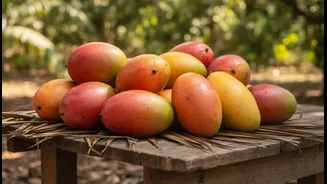
among trees heavy with fruit, and even try their hand at harvesting. Many farms offer guided tours explaining the cultivation process, from flowering to picking. Some have developed into full-fledged resorts or homestays, allowing guests to wake up surrounded by mango groves. This type of travel offers a peaceful escape and a deeper appreciation for the effort that goes into producing India’s most beloved fruit, bridging the gap between urban consumers and rural life.
Why the Calendar is King
The magic of a mango lies in its perfect ripeness, a fleeting moment determined by weather and variety. This is why aligning a trip with the harvest season is non-negotiable. Arriving too early means the fruit is still sour; arriving too late means the best of the crop is gone, and the season is winding down with the arrival of the monsoon. India's vast geography means the season moves across the country, starting in the south around March and April and progressing north through June and July. A trip to Ratnagiri for Alphonso is best in April and May, while those craving the famous Dasheri mangoes of Malihabad should plan for June. Planning according to the specific region's peak ensures you experience the fruit at its aromatic, flavourful best.
India's Famous Mango Belts
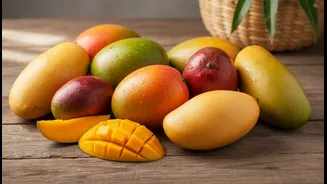
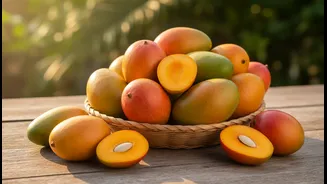
Different regions of India are famous for specific mango varieties, each offering a distinct tourism experience. In Maharashtra, the coastal Konkan region, particularly Ratnagiri and Devgad, is world-renowned for the GI-tagged Alphonso, or 'Hapus'. Farm stays here often focus on organic cultivation and the unique coastal terroir that gives the Alphonso its rich flavour. Further north, Malihabad near Lucknow in Uttar Pradesh is celebrated as a mango capital, primarily for its sweet, fibreless Dasheri mangoes. The orchards here are steeped in history, with some trees being centuries old. In Gujarat, the area around Gir is famous for the saffron-hued Kesar mango, and visitors can combine orchard tours with a visit to the nearby national park. Each belt offers a unique taste of India's incredible mango diversity.
A Boost for Local Communities
When timed correctly, mango tourism provides a significant and sustainable economic boost to rural communities. It allows farmers to diversify their income beyond just selling their produce, creating revenue from tours, accommodation, and direct-to-consumer sales. This model helps farmers capture more of the value they create and reduces their dependence on intermediaries. Furthermore, many regions now host vibrant mango festivals during the peak season. Events like the International Mango Festival in Delhi, the Mango Mela in Pinjore, and local festivals in Lucknow and Goa celebrate the fruit with tastings, cultural programs, and competitions, drawing visitors and creating a festive atmosphere that supports local artisans and food vendors.
Planning Your Sweet Escape
To plan a successful mango tour, start by choosing your preferred mango variety, as this will determine the destination and timing. The season for Alphonso in Maharashtra generally runs from March to early June, with May being the peak month. For Dasheri in Uttar Pradesh, late May and June are ideal. Research specific farm stays or agro-tourism centres in your chosen region; many are listed online and on platforms like Airbnb. Look for farms that offer interactive experiences like picking, tasting sessions, or workshops. Booking in advance is wise, as the best spots can fill up quickly during the short peak season. Finally, embrace the experience—it’s not just a holiday, but a delicious education in India’s rich agricultural heritage.