







The Green Wave in the Garden City
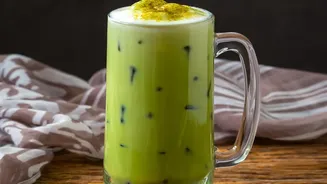
Bengaluru has long been known as India’s tech capital, but it's now earning a new title: the country's matcha capital. From minimalist cafes in Indiranagar to wellness studios in Koramangala, the Japanese green tea powder is everywhere. Served hot, iced,
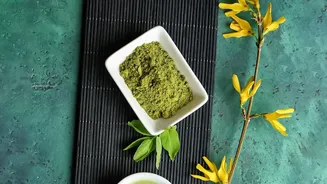
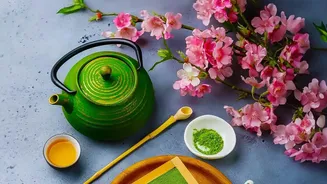
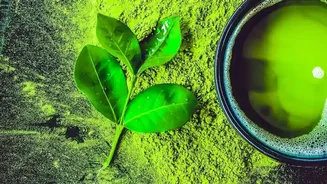
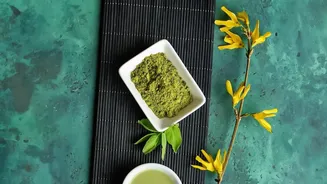
with oat milk, or even blended with coconut water, matcha has captured the imagination of the city's youth. This isn't your average green tea. Matcha is made by grinding whole, shade-grown tea leaves into a fine powder, which is then whisked into liquid. This process means you consume the entire leaf, resulting in a higher concentration of antioxidants and a more robust, earthy flavour. The demand has surged in the last couple of years, driven by Gen Z and millennial consumers looking for cafe experiences that are aesthetic, health-conscious, and a departure from traditional choices.
Why Matcha, and Why Now?
So, what's behind this sudden obsession? The trend is fuelled by a potent mix of health consciousness, social media aesthetics, and global cultural influence. Health is a major driver. Matcha is celebrated for providing a state of 'calm alertness' thanks to L-theanine, an amino acid that balances the caffeine kick, preventing the jitters and crash often associated with coffee. For many, it has become a mindful morning ritual, a healthier alternative to their daily coffee. Then there’s the undeniable visual appeal. Matcha’s vibrant green hue is incredibly 'Instagrammable', making it a staple on social media feeds. This online visibility, amplified by wellness influencers and celebrities, has transformed the drink from a niche product into a lifestyle statement. It represents a modern identity that blends wellness, global trends, and conscious consumption.
Beyond the Froth: A Booming Market
Bengaluru's matcha craze is the most visible symptom of a much larger trend: the rapid expansion of India's specialty tea market. This segment, which includes everything from single-origin Darjeeling and Nilgiri teas to artisanal herbal infusions, has tripled in value to nearly ₹1,000 crore in the last five years. While the overall Indian tea market grows at a steady 4-5%, the specialty category is expanding at nearly double that pace. Experts note that the pandemic was a major inflection point, accelerating demand for products associated with health and wellness. This shift is forcing a change in the industry, which has historically been focused on the mass-market production of black tea. Now, both established companies and new startups are pivoting towards higher-value, premium products to cater to a new generation of discerning consumers.
A New Chapter for Indian Tea
This evolving consumer palate presents a massive opportunity for India's tea industry, which is one of the largest in the world. For decades, the focus was on exporting commodity tea. Now, there is a growing domestic market willing to pay a premium for quality, authenticity, and a compelling story. Artisanal and direct-to-consumer (D2C) brands are flourishing, using e-commerce to reach customers in Tier-II and Tier-III cities, not just the metros. They are innovating with unique blends, like blue pea tea and even spicy bhut jolokia tea, while emphasizing sustainable practices and traceability. The rise of specialty coffee culture has helped pave the way, familiarizing urban consumers with the concepts of origin and craft in their beverages. Matcha is simply the latest, most vibrant expression of this broader movement towards premiumisation.