





What is Food Literacy, Really?
Food literacy is more than just knowing that vegetables are good for you. It is the ability to understand where your food comes from, what’s in it, and how it impacts your health, the environment, and the economy. It’s about having the practical skills
to plan meals, shop wisely, and prepare food. In a country like India, which faces a 'double burden' of both undernutrition and rising obesity, food literacy has become a crucial tool for long-term health. It’s not about dieting; it’s about making informed decisions every time you eat.
Decoding the Modern Indian Plate
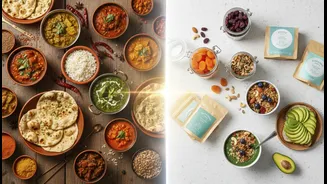
The modern Indian diet is a paradox. We have access to diverse traditional cuisines, yet there's a rapid shift towards ultra-processed foods high in sugar, salt, and unhealthy fats. This transition contributes to a confusing food environment where a person can be both overweight and nutrient-deficient. Many young Indians, particularly students and professionals in cities, find themselves relying on packaged meals and fast food. Studies show an alarming number of university students—as many as 75%—consume fast food more than three times a week, often skipping foundational meals like breakfast. Understanding this landscape is the first step toward reclaiming control over your plate.
Mastering the Food Label in Three Steps
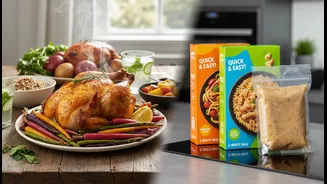
The back of a package tells the real story. The Food Safety and Standards Authority of India (FSSAI) has made labels mandatory, but they can be confusing. Here’s a simple three-step check: First, read the ingredients list. Ingredients are listed by weight, so if sugar, salt, or refined flour (maida) are in the top three, the product is likely not as healthy as its front-of-pack claims suggest. Second, check the serving size. This is a common trap; the nutritional information is based on a serving size that is often much smaller than what we actually consume. Third, look at the nutrition facts for protein, fibre, and hidden sugars to gauge the product's true value.
Busting Common Indian Food Myths
Misinformation can derail even the best intentions. A common myth is that desi ghee is unhealthy, but in moderation, it is a source of healthy fats and is often a better choice than many refined oils. Another is that all carbohydrates are bad. Complex carbs from whole grains like millets, brown rice, and whole wheat roti provide essential fibre and sustained energy. Similarly, many believe plant-based protein is incomplete, but combining foods like dal with rice creates a complete protein profile that is a staple of balanced Indian meals. Being food literate means questioning these passed-down beliefs and looking at the science.
A Student’s Guide to Eating Smart
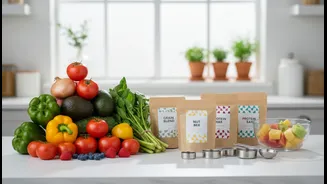
For students living away from home, eating well on a budget is a challenge. Start by making smarter choices at the canteen or mess; aim to fill half your plate with vegetables and ensure there's a protein source like dal or paneer. When snacking, swap out packaged chips for healthier, affordable options like roasted chickpeas, peanuts, fruit, or boiled eggs. Since many students are prone to anaemia and vitamin deficiencies, try to include iron-rich foods and get some sun. Small, consistent habits matter more than drastic, short-lived diets.
For the Busy Young Professional
Long work hours and stress often lead to poor food choices. The key for busy professionals is planning. Dedicate an hour on the weekend to plan your meals or prep some basic ingredients like chopped vegetables or boiled lentils. When ordering food online, consciously choose grilled or steamed options over fried ones and add a side salad. Hydration is also key; keep a water bottle on your desk to avoid reaching for sugary drinks. Managing a demanding career requires fuel, and a balanced diet directly impacts your energy, focus, and long-term productivity.
Building a Food-Literate Family
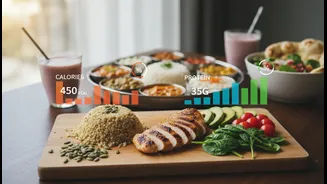
For families, food literacy is about building a healthy foundation for the next generation. A great way to start is by involving children in meal preparation, from washing vegetables to mixing ingredients. This gives them a sense of ownership and makes them more likely to try new foods. Re-embrace the wisdom of the traditional Indian thali, which naturally encourages balanced portions of grains, lentils, vegetables, and curd. You can also make healthier versions of festive treats, like baking samosas instead of frying them or using jaggery instead of refined sugar in sweets.