



Pre-Trip Planning: Check Conditions First
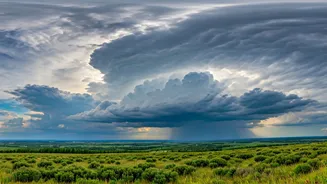
Before you even pack your bags, your first step should be to check the weather and road conditions. The India Meteorological Department (IMD) has issued alerts for heavy to extremely heavy rainfall for Pune's ghat areas and Raigad district, which cover
Lonavala and Mahabaleshwar. Monitor these advisories closely. Flash floods and landslides are real risks, and local authorities may close roads for safety. Plan for delays by adding buffer time to your travel schedule, and always inform a family member or friend of your itinerary. If possible, book accommodations in advance, as these destinations are extremely popular during the monsoon.
Vehicle Readiness: Your Car Is Your Lifeline
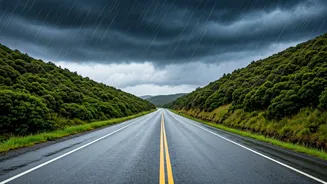
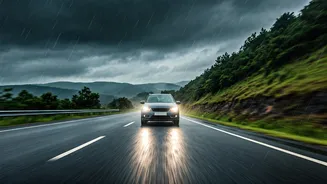
A road trip in the rain requires your vehicle to be in top condition. Wet, slippery roads and poor visibility can be a dangerous combination. Before you start, conduct a thorough check of your car's essential systems. Ensure your tyres have adequate tread and are properly inflated to handle wet surfaces. Test your brakes, as braking distance increases on wet roads. Functioning windshield wipers are non-negotiable for clear visibility. Also, check all your lights—headlights, taillights, and fog lamps—as you'll need them in heavy rain and fog. Finally, pack a basic tool kit, a spare tyre with a jack, and a portable tyre inflator for any roadside emergencies.
Smart Packing: Gear Up for the Damp
Packing for a monsoon trip is all about staying dry and comfortable. Forget heavy cottons and jeans that take forever to dry. Instead, opt for lightweight, synthetic, and quick-drying clothes. A reliable waterproof jacket or poncho is an absolute must. When it comes to footwear, choose sturdy, waterproof shoes or boots with excellent grip to navigate slippery trails and steps. Pack a couple of extra pairs of socks. It’s also wise to carry waterproof bags or zip-lock pouches to protect your electronics, wallet, and important documents from the damp. A compact, quick-drying towel and a sturdy umbrella are also great additions.
Health and Safety Kit: Don't Leave Home Without It
The monsoon brings with it a higher risk of water-borne diseases and insects. Your travel kit should include a few health essentials. Pack a basic first-aid kit with antiseptic wipes, bandages for minor cuts or slips, and pain relievers. Given the prevalence of mosquitoes in damp conditions, a strong insect repellent is crucial to protect against illnesses like dengue and malaria. It's also advisable to drink only bottled or purified water and be cautious about street food to avoid stomach issues. Keep a hand sanitiser handy. Carrying any personal prescription medications, along with essentials like anti-diarrhoeal tablets and oral rehydration salts (ORS), is also recommended.
On the Road and at Viewpoints: Navigate with Caution
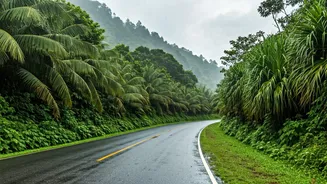
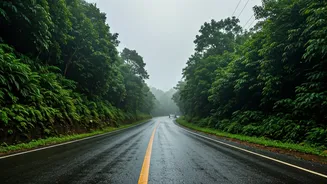
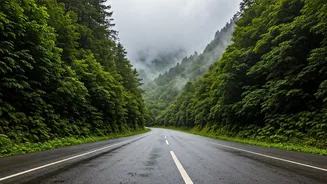
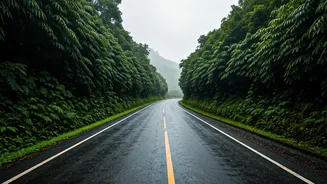
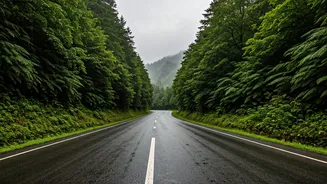
Driving in the ghats during heavy rain requires your full attention. Reduce your speed, maintain a safe distance from the vehicle ahead, and avoid sudden braking. Fog is common and can reduce visibility to just a few feet, so use your fog lamps and headlights. It's best to avoid driving at night if possible. When visiting popular viewpoints like Tiger Point in Lonavala or Arthur's Seat in Mahabaleshwar, be extremely careful. The rock surfaces become very slippery when wet. Never stand near the edge of a cliff or waterfall, as the ground can be unstable. Waterfalls are powerful and unpredictable; avoid swimming in plunge pools or attempting to cross streams with strong currents.