


An Irreplaceable Natural Treasure
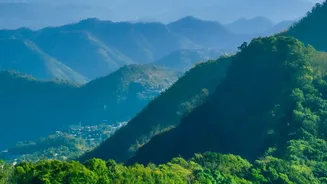
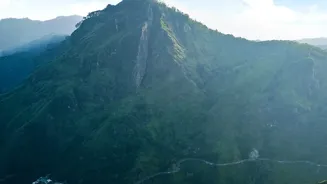
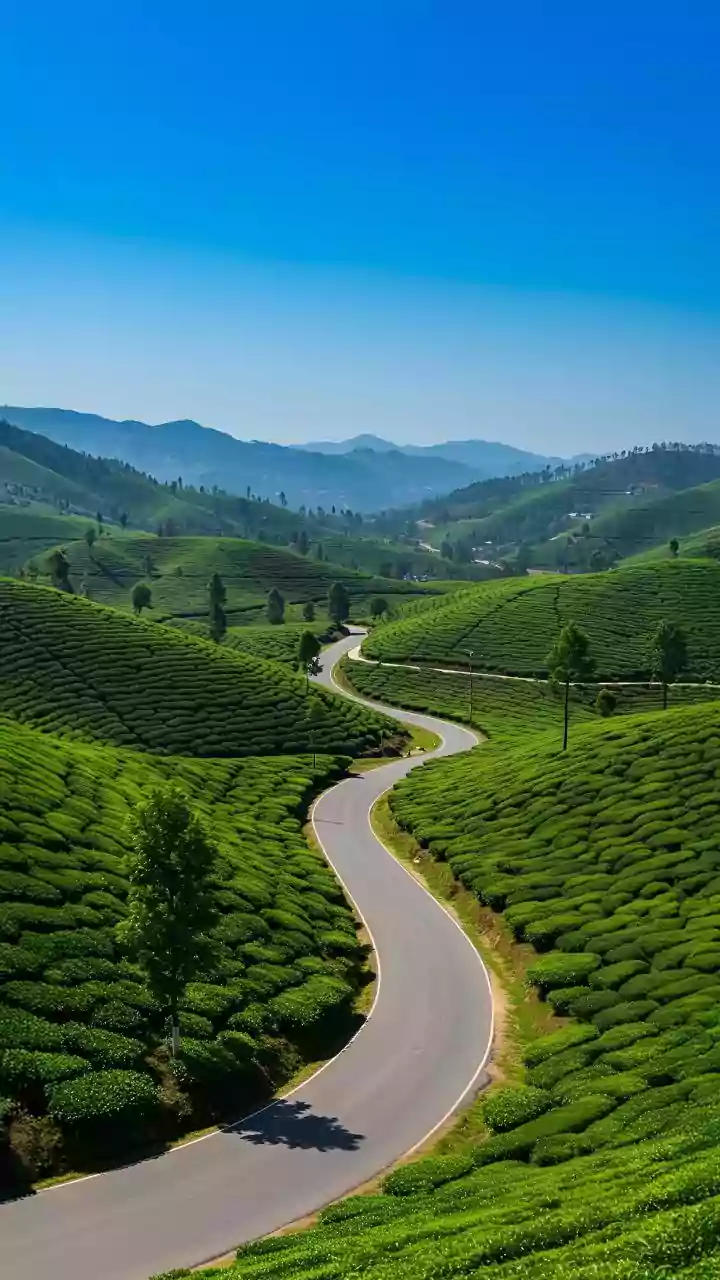
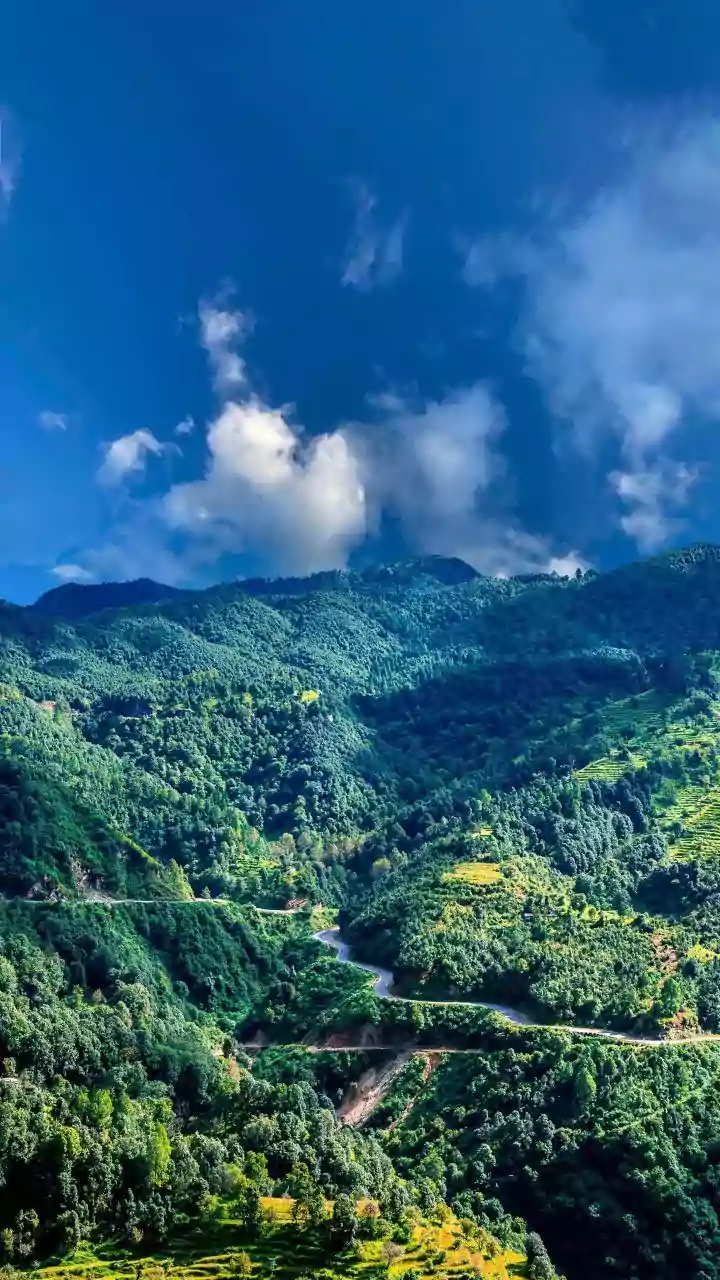
Stretching over 1,600 kilometres along India's western coast, the Western Ghats are a UNESCO World Heritage Site and one of the world's eight 'hottest hotspots' of biological diversity. Older than the Himalayas, these mountains are home to thousands of species
of flowering plants, mammals, birds, and amphibians that are found nowhere else on Earth. They are the ecological engine of South India, influencing the monsoon and acting as a crucial water source for millions. However, this treasure is under threat from deforestation, habitat fragmentation due to agriculture and infrastructure development, and human-wildlife conflict. Every road, plantation, and settlement can chip away at this delicate ecosystem, making conscious travel choices more critical than ever.
Beyond Greenwashing: What is a True Eco-Stay?
The term 'eco' is used so often it can lose its meaning. A genuine eco-stay, however, is built on a deep commitment to sustainability that goes far beyond a reusable water bottle. These are properties designed to minimise their environmental footprint. This includes practices like rainwater harvesting, using solar power, managing waste responsibly by composting and recycling, and constructing buildings with local, natural materials like reclaimed wood or rammed earth. For instance, some lodges use elephant grass for roofing to provide natural cooling, eliminating the need for air conditioning. They prioritise serving food grown on-site or sourced from nearby organic farms, reducing food miles and supporting the local agricultural economy.
The Direct Line from Tourism to Conservation
So how does your stay translate into conservation? The connection is often direct and tangible. Many responsible eco-stays channel a portion of their revenue directly into conservation projects. This could involve funding local NGOs, reforesting degraded land with native species, or restoring vital wildlife corridors that have been fragmented. By choosing to stay in a property located on an old elephant migration route, for example, you are contributing to keeping that corridor viable for wildlife. Some establishments run their own tree nurseries, with guests sometimes participating in planting activities. These initiatives create a bridge between tourism and active ecological restoration, turning your holiday into a force for good.
Empowering Communities as Guardians
Perhaps the most powerful impact of eco-tourism is on local communities. When local and indigenous people have sustainable livelihood opportunities, they become the most effective guardians of their environment. Eco-stays create jobs for local residents as naturalists, guides, hospitality staff, and artisans. This provides a stable income that reduces the economic pressure to engage in destructive practices like logging or poaching. When a community benefits directly from a thriving ecosystem, there is a strong incentive to protect it. This model fosters a positive cycle: tourism provides economic value to conservation, which in turn preserves the natural beauty that attracts tourists.
Making Your Trip Matter
As a traveller, your choices have power. By opting for a genuine eco-stay, you are voting with your wallet for a model of tourism that respects and restores nature. You are funding the protection of endemic species, the empowerment of local communities, and the long-term health of one of India’s most vital ecosystems. These stays offer more than just a bed for the night; they offer an immersive experience into the region's ecology, guided by knowledgeable naturalists and rooted in the local culture. They prove that development and conservation do not have to be adversaries.