






The Engine of Change: A New Work Reality
Across India's bustling urban centres, the rhythm of professional life has changed. Grueling commutes, longer working hours, and the rise of dual-income households have compressed the time available for traditional home cooking. This isn't just a metro
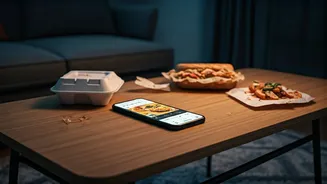
phenomenon; as India's urban population is projected to swell to 675 million by 2035, the demand for convenient food solutions has exploded. Professionals in cities like Mumbai, Delhi, and Bangalore are increasingly time-poor, making the prospect of preparing elaborate meals a daily challenge. This shift is driven by a simple equation: when time becomes the most precious commodity, convenience becomes king. The result is a workforce actively seeking meal solutions that are fast, accessible, and require minimal effort, creating a fertile ground for a revolution in the food industry.
An Ecosystem of Convenience
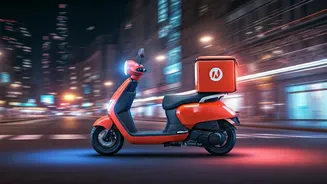
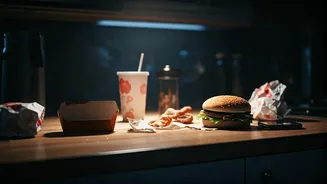
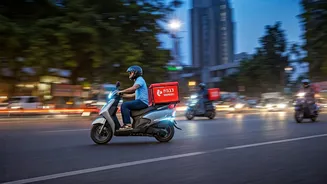
Capitalising on this demand is a sprawling industry dedicated to speed and accessibility. The Quick Service Restaurant (QSR) market in India, valued at over USD 27 billion in 2025, is a testament to this trend, with major players like McDonald's, Domino's, and Subway expanding aggressively. This growth is supercharged by food delivery platforms such as Zomato and Swiggy, which have made ordering in from a vast array of eateries a seamless part of the workday. These platforms now process millions of orders daily, with the delivery segment accounting for a dominant 45% of the QSR market share. Parallel to this, the ready-to-eat (RTE) market is experiencing phenomenal growth, with forecasts predicting it will grow by billions of dollars in the coming years. Brands offering everything from instant curries and rice bowls to heat-and-eat biryanis are filling supermarket shelves and online carts, catering to professionals who want a semblance of a home-cooked meal without the associated time investment.
The Desk Is the New Dining Table
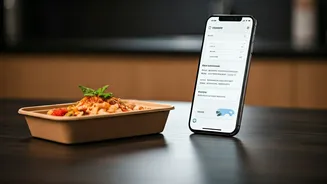
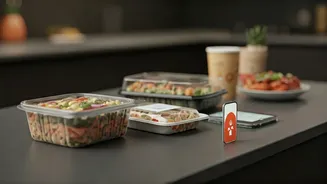
The traditional lunch hour, once a time for socialising with colleagues over a shared meal, is being systematically replaced. The rise of 'desk dining' is a direct consequence of the quick meal culture. Bento boxes, meal-in-a-box subscriptions, and quick takeaways are designed for individual consumption at one's workstation. Corporate catering services have adapted, moving away from communal buffets to offering individually packaged meals. Services like MealPe and Sprink are tailoring plans for offices, providing everything from daily lunches to snacks, often with customizable and healthy options. While incredibly efficient, this trend marks a significant cultural shift away from the communal eating practices integral to Indian culture, where sharing food is a cornerstone of building relationships.
The Trade-Off: Health and Tradition
While the convenience of quick meals is undeniable, it comes with notable trade-offs. A significant concern revolves around nutrition. Many professionals worry about the preservative content and perceived poor nutritional value of processed and packaged foods. Studies on urban Indian diets point towards a shift to convenience foods that are often high in fat, salt, and simple carbohydrates, contributing to health issues. In response, a growing segment of the market is demanding healthier alternatives. Health-conscious consumers are seeking out preservative-free, organic, and protein-rich ready meals. This has pushed brands to innovate, introducing clean-label products, baked options, and meal plans focused on calorie control and wellness. The challenge for the industry is to balance the core demand for convenience with the growing need for genuine nutrition.