



The Mighty Millet Makeover
Once considered humble, traditional grains like ragi, jowar, and bajra are making a major comeback. This revival is driven by a powerful combination of government promotion, including the UN's 'International Year of Millets', and a consumer shift towards
nutrient-dense, gluten-free options. Unlike rice and wheat, millets are climate-resilient crops that require less water and fewer pesticides, appealing to a growing eco-consciousness. No longer just for traditional rotis or porridge, millets are now found in everything from breakfast cereals and dosa mixes to cookies and crackers, seamlessly integrating into the modern diet.
Seeds of Change: Chia and Flax
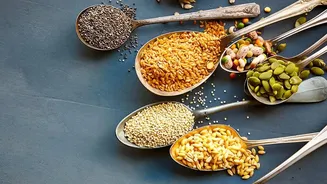
A decade ago, they were virtually unknown in India, but today chia and flax seeds are pantry regulars. Initially gaining fame as 'superfoods' from abroad, these tiny seeds are packed with protein, fibre, and omega-3 fatty acids. While quinoa, another global health star, also gained a following, it's the versatility of seeds that has cemented their place. They are effortlessly sprinkled over yoghurt, blended into smoothies, or added to atta for an invisible health boost. This trend highlights a broader interest in functional foods, where ingredients are chosen not just for taste but for specific health benefits like improved digestion and heart health.
The Alternative Oil Press
The single, large tin of refined sunflower oil is increasingly making way for a collection of more specialised, healthier fats. Cold-pressed oils, extracted without heat or chemicals, are leading this change. This method preserves natural nutrients and antioxidants, aligning with the growing consumer demand for minimally processed and 'clean' products. Varieties like wood-pressed groundnut, coconut, and mustard oil, once confined to traditional or regional cooking, are now being embraced by urban households for their purported health benefits and distinct flavours. This shift signifies a move away from industrial-scale refining towards more traditional, nutrient-preserving techniques.
Dairy's Plant-Based Competitors
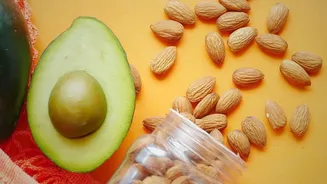
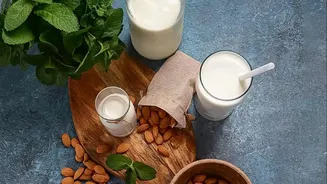
The beverage aisle looks decidedly different today. Plant-based milks, particularly from oats, almonds, and soy, have moved from a niche market to a mainstream phenomenon. This growth is fuelled by rising awareness of lactose intolerance, ethical considerations, and the general wellness trend. Plant-based dairy is no longer just for vegans; it's an option for anyone looking to diversify their diet. The market has expanded rapidly, with leading coffee chains and quick-commerce platforms offering a wide variety of dairy alternatives, making it easier than ever for consumers to make the switch for their daily chai or coffee.
Protein Takes Priority
While dal remains a cornerstone of Indian meals, the conversation around protein has become much more intentional. Consumers are actively seeking out high-protein options, a trend that has pushed foods like Greek yoghurt, peanut butter, and even makhana (foxnuts) into the spotlight. A 2026 survey found that a vast majority of consumers consider protein an important factor when choosing snacks. This has led to the rise of products like high-protein yoghurts, which are replacing traditional sugary versions, and roasted makhana taking over from fried namkeens as the go-to evening snack.