



The Masterpieces of Ajanta & Ellora
Located near Aurangabad in Maharashtra, the Ajanta and Ellora caves are not just caves; they are a testament to centuries of human devotion and artistic genius. These UNESCO World Heritage sites, though often spoken of together, are two distinct marvels.
The Ajanta caves, dating from the 2nd century BCE, are famous for their breathtaking murals and paintings that depict the Jataka tales, offering a vivid glimpse into ancient life and Buddhist philosophy. It’s like walking through an ancient, stone-carved storybook. A few hours away, the Ellora caves feature an incredible collection of Hindu, Buddhist, and Jain temples carved side-by-side, showcasing the religious harmony of the era. The undisputed showstopper is the Kailasa Temple (Cave 16), the world's largest single monolithic excavation. It wasn’t built, but rather, sculpted out of a single rock. The sheer scale and intricate detail will leave you speechless. Plan to spend at least a full day at each site to truly absorb their grandeur.
Meghalaya’s Subterranean Kingdom
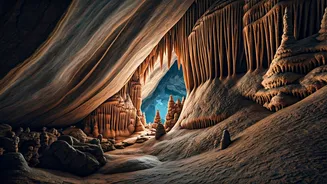
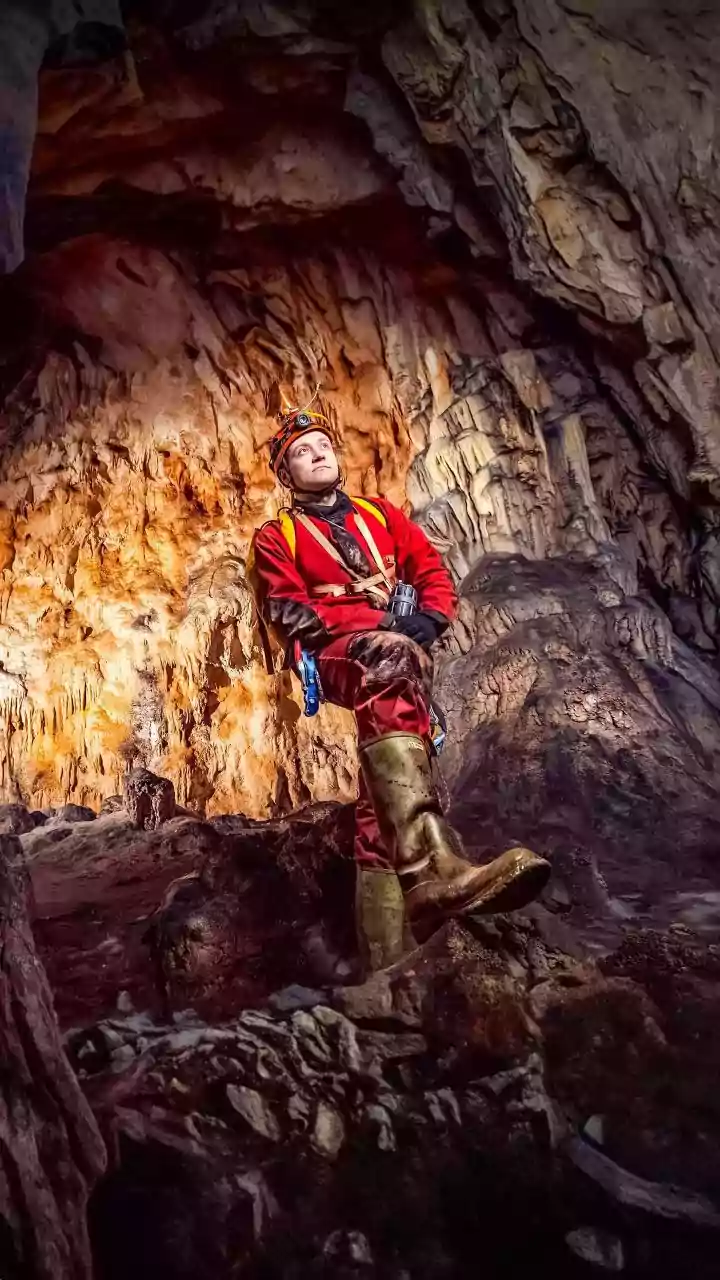
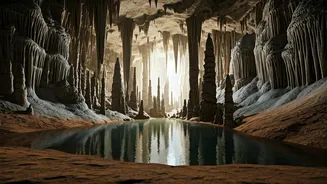
For the true adventurer, the state of Meghalaya is India’s caving capital. Home to some of the longest and deepest cave systems in the subcontinent, this is where you go for a raw, untamed experience. The Jaintia, Khasi, and Garo hills are riddled with more than 1,500 caves, many of which are still being explored. For an accessible taste, head to Mawsmai Cave near Cherrapunji. It’s well-lit and allows you to walk through a small section of a much larger network, marveling at the impressive stalactite and stalagmite formations. For the more daring, guided spelunking tours into systems like Krem Liat Prah—one of the longest caves in India—offer a challenging journey through tight squeezes, dark chambers, and underground rivers. This isn’t a leisurely walk; it’s a full-body workout and an unforgettable encounter with the earth’s inner world.
The Island Sanctum of Elephanta
Just a short ferry ride from the bustling heart of Mumbai lies a pocket of serene divinity. The Elephanta Caves, located on Gharapuri Island, are a perfect day trip for those looking to escape the city and step back in time. This UNESCO World Heritage site is a collection of cave temples predominantly dedicated to the Hindu god Shiva. The main cave is the star attraction, home to a series of magnificent sculptures that narrate Hindu mythologies. The most famous is the Trimurti Sadashiva, a towering 20-foot-tall bust of Shiva representing his three aspects: creator, preserver, and destroyer. The sense of peace and power within these cool, rock-cut halls provides a stark contrast to the energy of Mumbai across the water. The journey itself, with views of the harbour and city skyline, is part of the charm.
The Natural Art of Borra Caves
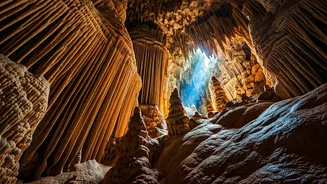
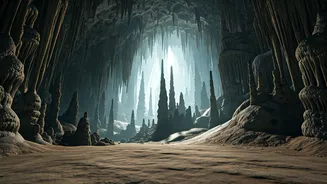
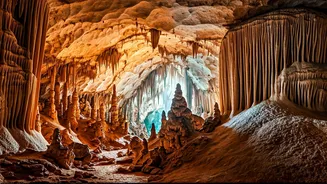
Moving to the Eastern Ghats of Andhra Pradesh, the Borra Caves offer a different kind of wonder—one shaped entirely by nature. Located in the beautiful Araku Valley, these are among the largest and deepest caves in the country. Formed by the flow of water over karstic limestone for millions of years, the caves are a dazzling display of stalactites and stalagmites. These formations have grown into fascinating, irregular shapes that locals have linked to mythology, giving them names like ‘Shiva-Parvati’ and ‘Mother-Child.’ The state tourism department has installed a brilliant multi-coloured lighting system that illuminates the cavernous interiors, transforming the natural sculptures into a psychedelic, otherworldly landscape. A small stream flows through the caves, and a temple to Shiva is nestled inside, making it a site of both geological interest and religious significance.
The Prehistoric Canvas of Bhimbetka
If you want to connect with the very dawn of human creativity in India, your destination is the Bhimbetka Rock Shelters in Madhya Pradesh. Another UNESCO World Heritage site, Bhimbetka is an archaeological treasure trove comprising over 750 rock shelters spread across a vast area. What makes them extraordinary are the prehistoric cave paintings that adorn their walls. Some of these artworks are estimated to be around 30,000 years old, placing you face-to-face with the thoughts and lives of our Stone Age ancestors. The paintings, rendered in red and white, depict scenes of hunting, dancing, childbirth, and animals like bison, tigers, and elephants. Walking through these shelters is a humbling experience, a silent dialogue with the earliest artists of the subcontinent. It’s less about deep, dark caverns and more about open-air galleries that have preserved humanity’s first stories.