
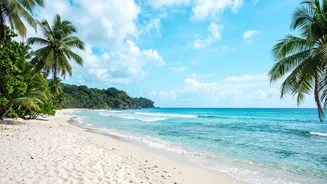

The Andamans of Yesterday
For years, travelling to the Andamans felt like stepping back in time, and not just because of the pristine, untouched landscapes. The reality for most visitors involved a significant digital disconnect. Until recently, the islands relied on slow, expensive,
and unreliable satellite links for internet. This meant that simple tasks we take for granted on the mainland—booking a hotel online, making a digital payment, or even checking in for a flight—were exercises in frustration. For travellers, especially younger ones accustomed to managing their lives through their phones, this was a major barrier. Trips had to be planned meticulously in advance through travel agents, with little room for spontaneity. Cash was king, as card machines often failed, and sharing the stunning beauty of the islands with friends and family back home had to wait. This logistical friction made the Andamans a destination primarily for well-funded tourists on pre-booked packages, keeping it largely out of reach for the independent, budget-conscious youth.
A Submarine Cable Changes Everything
The game-changer arrived in August 2020 with the launch of the Chennai-Andaman and Nicobar Islands (CANI) submarine optical fibre cable. This 2,300-kilometre-long project connected Port Blair and seven other islands directly to the mainland's high-speed internet infrastructure. Overnight, the available bandwidth capacity was set to increase by over 100 times, from a sluggish 3.2 Gbps via satellite to an initial 400 Gbps via fibre. This wasn't just a minor upgrade; it was a fundamental shift. For the first time, residents and businesses could access fast, reliable, and significantly cheaper internet. Telecom operators rolled out 4G services, and fixed-line broadband became a viable option. While connectivity can still be inconsistent in the most remote parts, the core tourist hubs like Port Blair and Swaraj Dweep (Havelock Island) experienced a digital revolution. This laid the groundwork for a new era of tourism, one that could finally cater to the digital-first generation.
The Needs of a New Generation
So, what do young Indian travellers actually want? According to multiple recent travel reports, Gen Z and millennials are prioritising experiences over luxury, flexibility over rigid itineraries, and authenticity over polished packages. They are a generation of digital natives who use social media not just for sharing, but for discovery and planning. They look for budget-friendly options, like hostels and homestays, which they expect to find and book online. A growing number are also part of the 'digital nomad' trend, blending work with travel, which requires a stable internet connection. They seek out unique cultural moments and adventure activities, from exploring local markets to snorkelling and trekking. Crucially, they want to do it on their own terms, making decisions on the fly. This style of travel—spontaneous, budget-conscious, and heavily reliant on online tools—was exactly what the old, disconnected Andamans couldn't support.
Connecting the Dots for Youth Travel
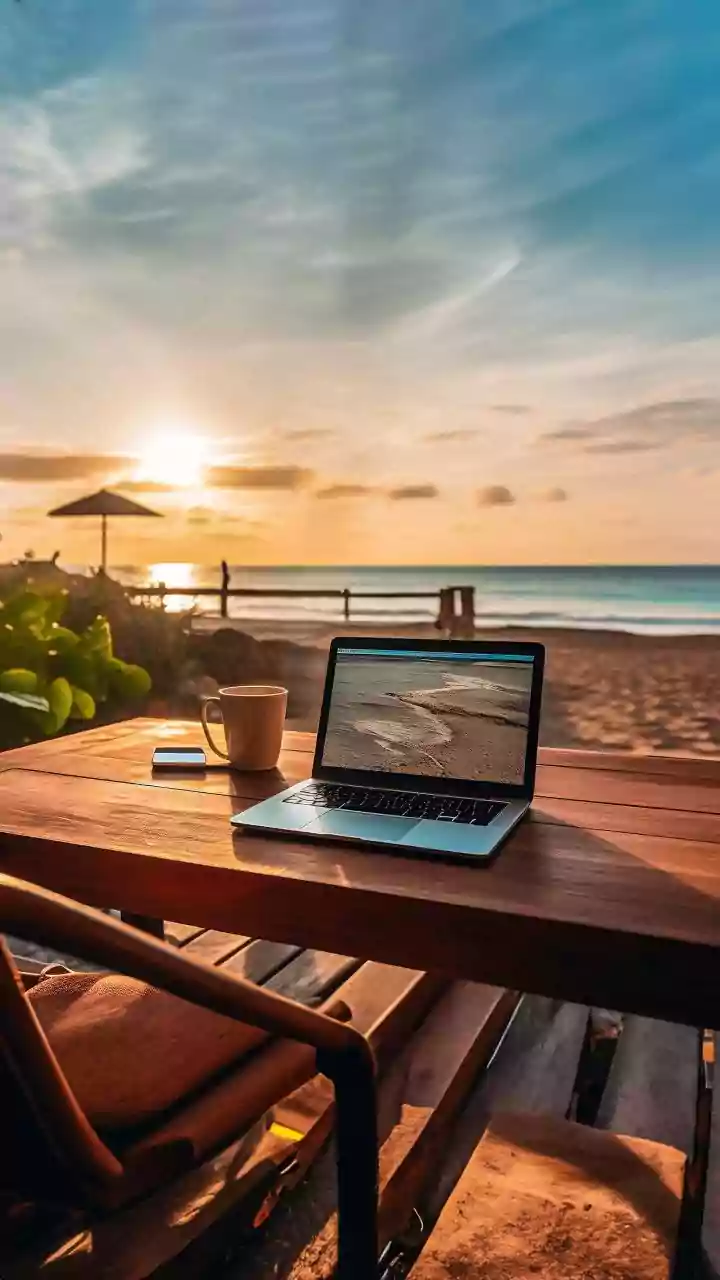
Improved connectivity directly bridges the gap between what the Andamans offer and what young travellers seek. Fast internet allows budget-friendly guesthouses and homestays, which previously had no online presence, to list themselves on booking platforms, making them visible and accessible to a national audience. Backpackers can now compare prices, read reviews, and book a stay for the night from their mobile phones. The same goes for inter-island ferries and local tours, which can be booked dynamically rather than weeks in advance. For those balancing work and wanderlust, the ability to take a video call from a café in Havelock is now a reality, opening the islands to a new demographic of remote workers. And of course, there's social media. The ability to instantly upload a photo from the stunning Radhanagar Beach or a video of the Cellular Jail's light and sound show is a powerful marketing tool. It fuels a cycle of discovery and desire among peers, positioning the Andamans as an achievable and aspirational destination for the youth.