








The Tyranny of the Packed Itinerary
In our hyper-productive world, the pressure to optimise our time doesn't stop when we clock out for a break. It often follows us, transforming our holidays into another checklist to complete. We’re driven by a fear of missing out, crafting itineraries
packed with sights, tours, and experiences from dawn until dusk. The result is a vacation that feels less like a respite and more like a different kind of work. Instead of returning refreshed, we come back with a collection of photos but a deficit of actual rest. This constant pressure to 'do' can prevent us from achieving the very thing we seek: a genuine break from the mental load of our daily lives.
The Art of Noticing
The antidote isn't necessarily doing nothing at all, but shifting your focus from 'doing' to 'noticing'. This is the essence of a quiet holiday: a retreat from the noise and a turn towards mindfulness. Mindfulness is the simple practice of being fully present in the moment, observing your surroundings, thoughts, and feelings without judgment. When applied to a holiday, it means instead of rushing to the next landmark, you take the time to truly experience where you are. It’s about trading a frantic pace for a deeper connection with your environment. This shift allows you to move from being a tourist who simply sees things to a traveller who feels and experiences them.
What 'Noticing More' Looks Like
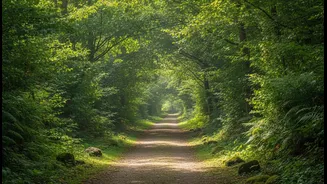
So what does this look like in practice? It’s about engaging your senses. It’s noticing the rich aroma of coffee from a local cafe instead of just grabbing it on the go. It’s pausing to listen to the specific sounds of a bustling market rather than just walking through it. It might mean spending an hour on a bench in a park, watching the way the light filters through the trees. Slow travel, a related concept, encourages this immersive approach by suggesting longer stays in one place and using slower transport like walking or cycling. These practices allow for the spontaneous discoveries and authentic experiences that are often missed when we are in a hurry.
The Restorative Power of Presence
There are profound psychological benefits to this slower, more observant approach. Studies show that taking time off can reduce stress, improve mood, and lower the risk of burnout. When we allow our minds to be present and detached from work, our brains get a chance to truly reset. Mindfulness reduces stress by helping us manage our emotions and approach situations with calm. Engaging with our surroundings in a novel way can also spark feelings of awe and wonder, which are strongly linked to increased happiness and well-being. A truly restorative vacation is one that offers mental detachment and a sense of control over your time, both of which are compromised by a rigid schedule.
How to Cultivate a Quiet Holiday
Embracing a quieter holiday doesn't require a radical overhaul. Start small. Intentionally schedule unstructured time into your trip, leaving entire afternoons open for wandering or relaxing. Put your phone away for set periods to avoid the distraction of social media and work emails. Instead of trying to see five attractions in one day, choose one and immerse yourself in it. Practice active listening in conversations and mindful eating during meals, savouring each flavour. You can even practice this at home on a 'staycation' by exploring your own neighbourhood with a tourist's curiosity, proving that the state of mind, not the location, is what matters most.